5 Things You Didn't Know About Muslim Beads and Their Origins
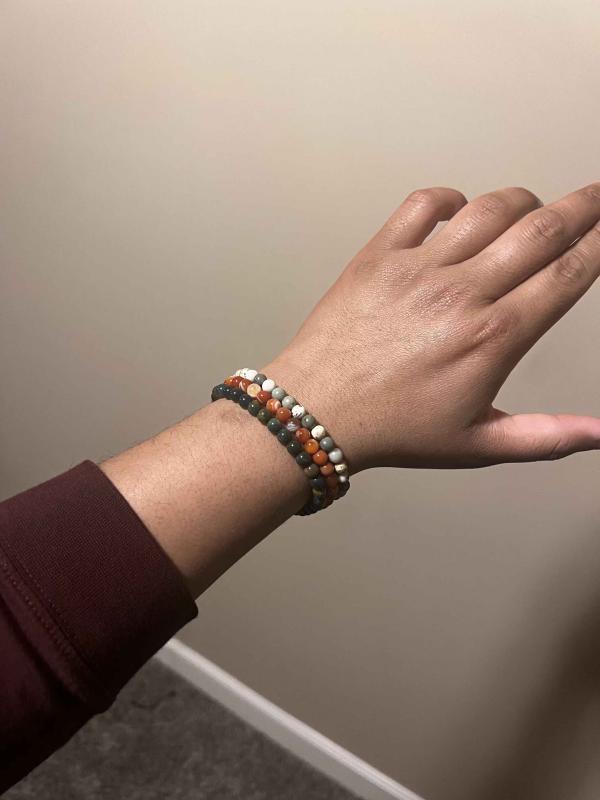
Muslim beads have different names. Some people say Tasbeeh beads while some others say Islamic prayer bracelet. The muslim beads are just more than any spiritual accessories. They have a reputed cultural significance, old history and deep meaning from centuries. Many people of muslim community use these beads regularly for prayers (Dhikr and Dua) to remember Allah. However, only handful of people know the full story behind these magnificent beads.
We will list down 5 surprising things you probably didn’t know about these beautiful Muslim beads and their origins. So let us start.
1. Muslim beads didn’t originate in the Islamic Word:
The use of prayer beads was done even before the occurrence of the religion. However, today, it is majorly associated with the Islamic religion. As per traditional history, the Muslim beads were used for religious processes in the ancient golden period of India, China, and Greece before the 7th century. Further, Hindu and Buddhist communities also used these beads for mantra recitation. These beads were commonly used to make “Malas.”
However, gradually the Muslim community adopted the practice in a unique Islamic way. This gave birth to the famous Tasbeeh beads—used for the remembrance of Allah by using different phrases like Alhamdullillah, Allahu Akbar, and SubhanAllah.
2. Number of beads has symbolic meaning:
A normal set of the Tasbeeh beads possesses 99 beads, and each bead represents each name of Allah. Generally, as per Islamic culture, Allah has 99 names (Asma ul Husna)—these are attributes of Allah mentioned in their religious book, the Quran. The followers often recite as a form of spiritual reflection. Interestingly, some bead sets include only 33 beads. These can be used to count 3 times prayers and Dua of 99 names.
3. Tasbeeh beads are made from various materials:
While many people have a basic idea that these beads are made made only from wood and plastic, they are actually crafted from different materials as per the tradition, religion and affordability basis.
Some of the common materials used in making beads are:
● Olive wood - these are famous in the Middle east countries
● Amber - found in Turkey and Eastern European nations
● Crystal - these are used to make decorative and luxurious pieces
● Natural stones such as onyx, jade or agate
● Date pits or date seeds have a high spiritual symbolism from the start of Islamic religion
Each element has a cultural and spiritual value to the Islamic prayer bracelet.
4. Used beyond prayers:
Apart from getting used for Dua and Dhikr, the Muslim beads have become a cultural style icon. People in North Africa, Turkey wear or carry them in their hands all day. Whereas, some may use them as a stress relievers or to maintain focus during prayers.
5. Muslim beads vary by Islamic religion and its tradition:
Different Islamic traditions have unique Tasbeeh beads. For instance, in South Asian countries, small and hand-held Islamic prayer bracelets are more preferred, focusing on the convenience. Whereas, in Turkey, the beads are long with excellent craftsmanship and colorful tassels. Visit the Grounded Revival website to buy different types of bracelets.
Final words:
The brand Grounded Revival knows your Dua and Dhikr are very important for you. You can buy customized Islamic prayer bracelets for your husband or wife. These are elegant and unique and have intricate designs for your prayers and meditation. Beads symbolize spirituality and sophistication in style and fashion. Hence, it is necessary to know their history to add an even deeper meaning to every bead you count.

Post Your Ad Here
Comments