The Complete Guide to Porta Cabins: Smart, Sustainable, and Future-Ready
Introduction to Porta Cabins
The construction world is changing at a fast pace. Traditional buildings take months or even years to complete. They demand heavy resources, large investments, and long timelines. In contrast, modern businesses and institutions need solutions that are quick, flexible, and cost-effective. This shift has given rise to a smarter approach: porta cabins in India.
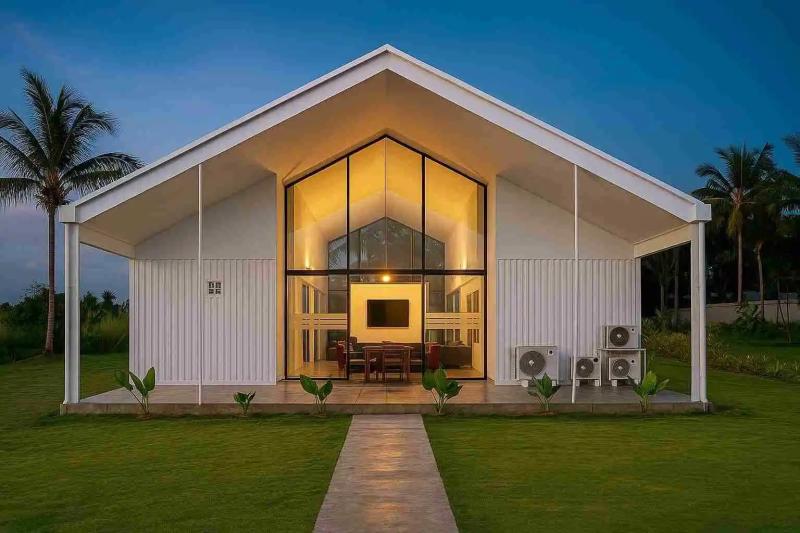
Porta cabins, also known as portable cabins, modular cabins, or prefab cabins, are prefabricated structures manufactured in factories. These units are then transported and installed on-site. Unlike makeshift huts or temporary sheds, modern porta cabins are carefully engineered using advanced materials such as insulated sandwich panels, galvanized steel frames, and fire-resistant cores. They are built to last, delivering both comfort and safety.
Why They Matter Today
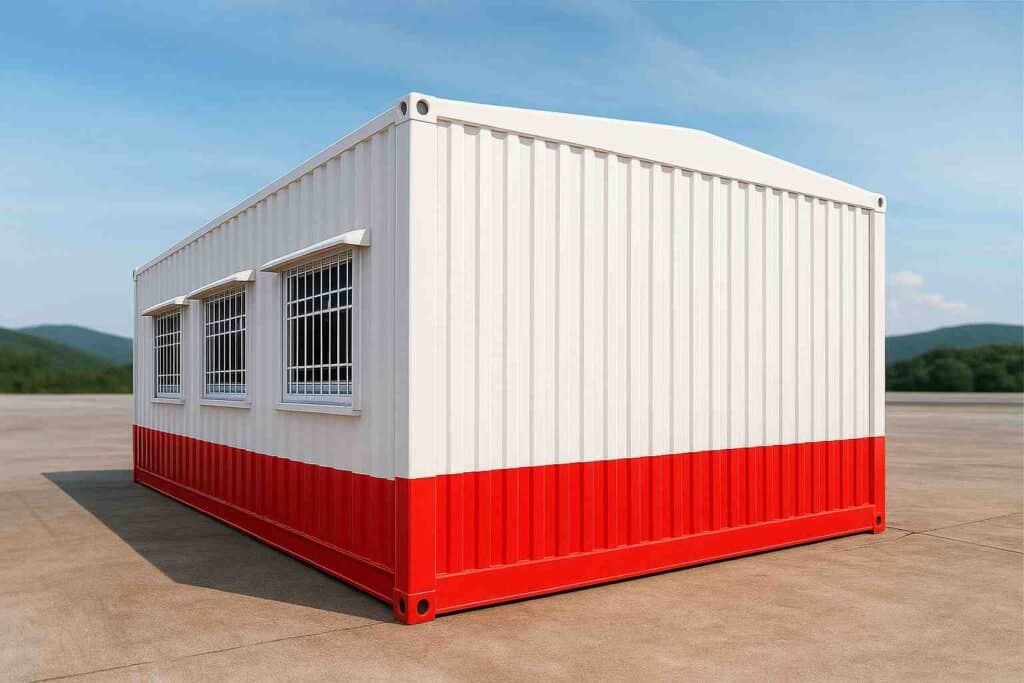
The growing demand for affordable, sustainable, and relocatable infrastructure is reshaping how companies and governments think about construction. From corporate offices to labour colonies, from classrooms to healthcare clinics, porta cabins are becoming mainstream. Their ability to reduce costs by up to 50% compared to civil buildings while cutting project timelines from months to weeks makes them indispensable.
Global statistics highlight the momentum. The modular construction market was valued at over USD 100 billion in 2024 and is projected to grow at a CAGR of more than 7% until 2030. In India alone, the modular construction industry is expected to nearly double by 2030, powered by urbanization, smart city projects, and government housing initiatives. Porta cabins form a crucial part of this boom, offering ready-to-use infrastructure that matches strict building codes and environmental standards.
Quick Overview of Benefits
Porta cabins provide a host of benefits that make them stand apart from conventional builds.
-
Speed: Ready in days or weeks, not months.
-
Cost savings: Lower labor, reduced material waste, and predictable expenses.
-
Mobility: Can be shifted, expanded, or dismantled easily.
-
Sustainability: Less waste, higher energy efficiency, and recyclable materials.
-
Versatility: Suitable for offices, housing, schools, cafés, and clinics.
What once was seen as a low-quality option is now a high-value investment. With energy-efficient insulation, air-tight construction, and modern interiors, today’s porta cabins rival permanent structures in comfort and utility. They are not just a temporary fix but a long-term solution for businesses, institutions, and governments seeking agility and resilience.
The rise of porta cabins signals more than just a trend. It reflects a deeper transformation in how we build and how we think about infrastructure. As we move through this guide, you will see how porta cabins evolved, what features make them strong, where they are used, how much they cost, and why they represent the future of construction.
Evolution of Porta Cabins in Construction
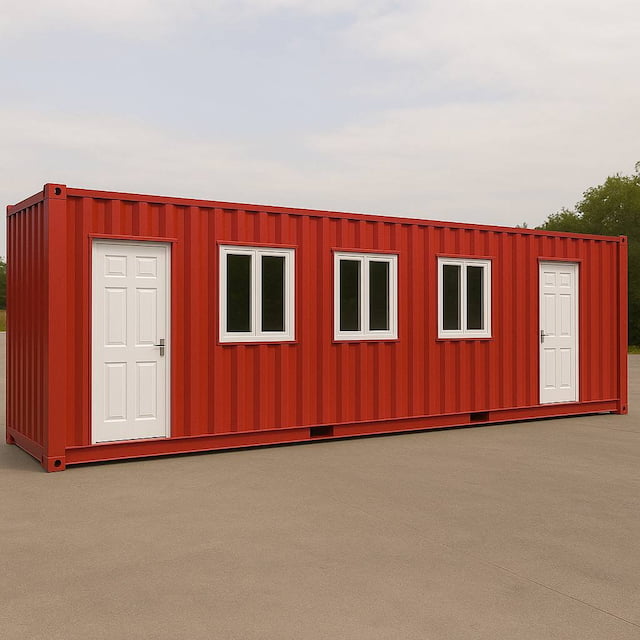
Early Uses and Origins
The idea of portable shelters is not new. Historically, armies, explorers, and traders relied on movable structures for temporary housing. These early cabins were simple, often made from wood or tin sheets, and built with little focus on safety or comfort. Their purpose was limited to providing basic shelter at a low cost.
By the mid-20th century, construction and infrastructure companies in Europe and the Middle East began experimenting with prefab solutions. Workers on oil fields, large road projects, and remote mining sites needed fast housing and offices. Basic portable cabins became the answer. Although far from today’s advanced versions, they proved the potential of relocatable structures.
Growth in India and Abroad
In India, the rise of portable cabins gained momentum in the 1980s and 1990s. Rapid industrialization, infrastructure expansion, and demand for quick, affordable site offices created fertile ground for adoption. Companies needed structures that could be deployed fast, withstand local weather, and be reused across projects.
Globally, the modular construction market matured with better materials, factory automation, and stricter building codes. In Europe and North America, governments recognized modular solutions as viable alternatives to conventional construction. By 2024, the global market for modular and portable cabins crossed USD 100 billion and is projected to exceed USD 160 billion by 2030. Asia-Pacific leads this growth, with China and India showing the highest adoption rates. India’s own modular construction market is expected to grow from USD 3.6 billion in 2024 to more than USD 6.2 billion by 2030, with porta cabins forming a major segment.
Adoption Across Industries
What started as basic site shelters has now become a multi-industry solution. In the construction sector, porta cabins serve as project offices, storage units, and worker accommodation. In education, they function as classrooms and training centers in both rural and urban areas. Healthcare has embraced them as mobile clinics, vaccination centers, and even small hospitals during emergencies.
Retailers use portable cabins to set up pop-up shops and cafés, while corporate firms install them as modular offices in urban areas where land is limited and expensive. Government agencies rely on them for disaster relief, military operations, and public service centers.
The evolution reflects three major shifts:
-
From temporary to permanent use: Modern porta cabins are durable enough for long-term applications.
-
From basic to advanced design: Today’s cabins include insulation, false ceilings, air-conditioning, and smart systems.
-
From cost-driven to sustainability-driven: With energy efficiency and recyclability, porta cabins align with environmental goals.
The journey from flimsy boxes to fully equipped smart units highlights how innovation, regulation, and market demand reshaped this product. Porta cabins today are not a fallback option but a preferred solution for companies seeking flexibility, speed, and sustainability in construction.
Key Features of Porta Cabins
Modern porta cabins are not just boxes assembled in a hurry. They are engineered products built under controlled conditions with advanced materials and strict quality checks. Each feature is designed to improve durability, comfort, energy performance, and adaptability. Let’s break down what makes them unique.
Structural Strength and Materials
The backbone of a porta cabin is its frame. Most modern units are built with galvanized mild steel or aluminum frames. Steel offers strength and resistance against heavy loads, while aluminum provides lightweight support with anti-rust properties. In many cases, manufacturers use treated steel to withstand moisture, corrosion, and termite attacks.
Wall cladding is typically done using PUF (Polyurethane Foam) panels, EPS (Expanded Polystyrene) panels, or ACP (Aluminum Composite Panels). These are sandwich-type panels made of two protective skins and an insulated core. They provide strong structural resistance while also improving insulation. The use of high-density materials means cabins can handle extreme heat, heavy rains, or even mild seismic activity.
Roofs are sloped and built with either PUF panels or corrugated PPGI sheets, which prevent water leakage and extend life. Flooring often includes RCC foundations, marine ply, or anti-skid vinyl layers, which make them both sturdy and comfortable to walk on.
Comfort and Insulation
Earlier portable cabins were often criticized as “hot in summer and cold in winter.” Modern engineering has resolved that issue. With high thermal resistance materials, porta cabins maintain a stable indoor climate regardless of outdoor conditions.
High R-values (a measure of insulation effectiveness) ensure reduced heating or cooling requirements. This translates to lower electricity bills and a smaller carbon footprint. Advanced windows, often double-glazed with UPVC frames, prevent heat transfer and noise pollution. Combined with proper ventilation and HVAC systems, cabins can deliver comfort levels similar to conventional offices or homes.
Acoustic insulation is another vital feature. Sandwich panels with polystyrene or rockwool cores reduce outside noise, making these cabins suitable for offices, classrooms, or healthcare clinics located near busy construction sites or highways.
Mobility and Flexibility
One of the strongest advantages of porta cabins is their portability. Unlike permanent structures, they can be dismantled and relocated without major structural changes. This makes them perfect for industries that shift operations frequently, such as construction, mining, or events.
Units are designed to be modular, meaning sections can be added or removed as needed. For example, a company may start with a single 20×10 ft office cabin and later expand it into a multi-room setup by joining additional cabins. This flexibility helps businesses scale operations without massive capital expenditure.
Porta cabins are also versatile in design. Interiors can include conference rooms, sleeping quarters, kitchens, washrooms, or storage facilities depending on need. Some advanced designs integrate solar panels, smart lighting, and IoT sensors for energy monitoring. This adaptability ensures porta cabins meet a wide range of requirements across sectors.
Safety and Compliance
Modern porta cabins meet international safety and building codes. Fire-retardant panels, electrical systems with MCB protection, and proper earthing reduce hazards. Anti-slip flooring and safety grills on windows enhance security. In India, they comply with the National Building Code (NBC) and other Bureau of Indian Standards (BIS) requirements for structural strength and fire resistance.
In short, porta cabins combine strong frameworks, superior insulation, easy mobility, and full compliance with safety norms. They are not just convenient but also safe, sustainable, and future-ready.
Porta Cabins vs. Traditional Construction
Choosing between porta cabins and civil construction is a strategic decision. Both have advantages, but their differences are vast in terms of speed, cost, sustainability, and adaptability. To understand why porta cabins are gaining traction, let’s look at how they compare with brick-and-mortar buildings.
Speed of Setup
One of the biggest advantages of porta cabins is installation speed. Traditional construction can take six months to several years depending on size and complexity. Permits, raw material sourcing, labor mobilization, and weather delays often slow projects further. In contrast, porta cabins are prefabricated in factories under controlled conditions. Once ready, they can be installed and operational within days or weeks.
For industries like construction, mining, or education, this difference is game-changing. A site office, classroom, or medical unit can be set up almost immediately, ensuring no time is lost waiting for infrastructure. In disaster response or emergency housing, this speed directly saves lives. The fast turnaround makes porta cabins a preferred choice where time is critical.
Cost Savings and ROI
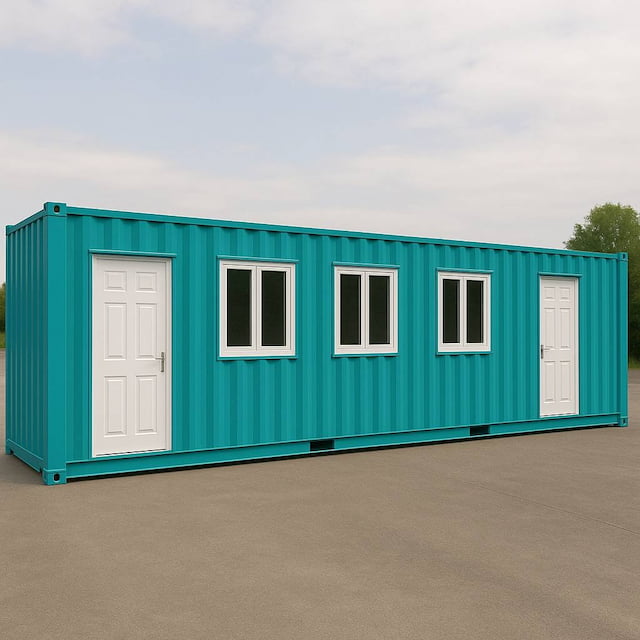
Traditional buildings require heavy material use — cement, sand, bricks, steel — along with skilled labor and site preparation. Rising input costs, delays, and inefficiencies push project budgets higher. Porta cabins, however, rely on modular components like insulated sandwich panels and galvanized steel frames, manufactured with precision and less waste. This reduces expenses by 20–50%.
Lower operational costs add further value. Porta cabins are energy-efficient due to airtight construction and high-quality insulation, reducing electricity bills for cooling and heating. They also allow relocation, which means businesses can reuse the same unit across multiple projects instead of investing in new infrastructure each time. Over a 10–15 year cycle, ROI is significantly higher compared to civil structures.
Sustainability and Waste Reduction
Civil construction generates enormous waste — broken bricks, unused cement, steel scraps. Studies suggest nearly 10–15% of raw materials are wasted on large projects. Porta cabins are different. With factory-controlled processes, material wastage drops by up to 90%. Every component is manufactured with precision, pre-tested, and used efficiently.
This approach also reduces environmental impact. Fewer truck trips for raw materials, less on-site dust, and lower embodied carbon make porta cabins eco-friendly. Many models incorporate recyclable materials and energy-saving features like LED lighting, solar panels, and water-efficient plumbing, aligning with green building standards.
Flexibility and Future-Proofing
Once built, a civil structure is fixed. Altering it requires demolition, expensive retrofits, or fresh permits. Porta cabins, on the other hand, are modular. Need more space? Add another cabin. Want to shift location? Move the unit to the new site. Businesses gain operational flexibility without massive reinvestments.
For companies managing temporary projects, seasonal businesses, or remote sites, this adaptability is priceless. The same cabin can serve as a site office today, a training center tomorrow, and a retail outlet in the future.
The Verdict
Traditional buildings remain essential for permanent, long-term facilities like apartment blocks or factories. But for industries that demand speed, cost efficiency, and flexibility, porta cabins win decisively. They balance affordability with sustainability, making them a future-ready alternative for modern infrastructure needs.
Common Applications of Porta Cabins
Porta cabins have moved far beyond their original role as temporary shelters. Their versatility has made them a preferred choice for industries, institutions, and governments across the globe. From construction sites to healthcare facilities, these modular units adapt to diverse requirements with ease.
Offices and Site Cabins
One of the most common uses of porta cabins is as portable site offices. On large infrastructure projects, contractors need administrative spaces, meeting rooms, and staff areas that can be set up quickly. Porta cabins deliver exactly that.
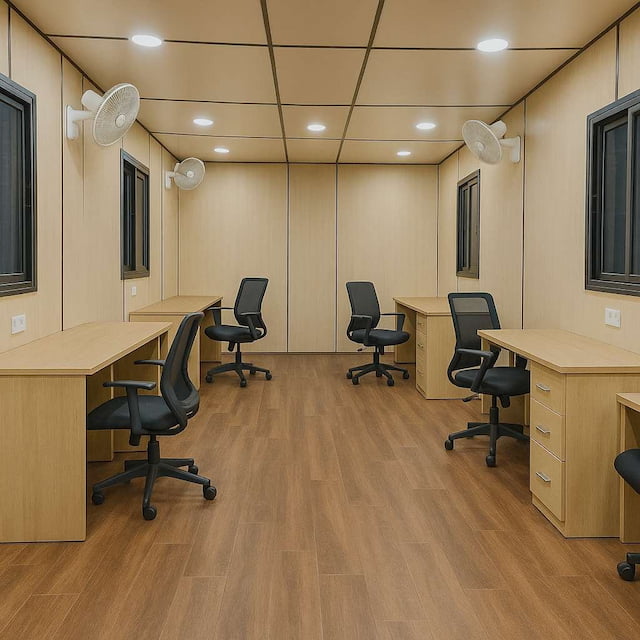
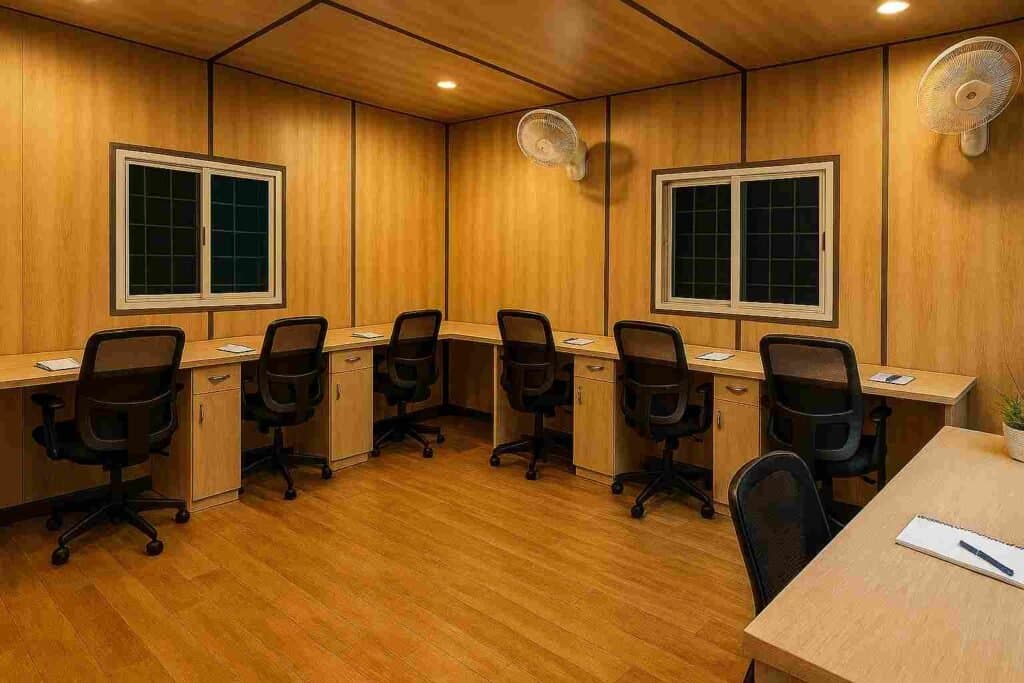
Equipped with air-conditioning, lighting, communication lines, and ergonomic furniture, they provide a professional work environment even in remote or challenging locations. Companies often install modular cabins as project headquarters, engineering coordination centers, or quality control stations. Since they can be shifted easily, the same office can move along with the project, cutting costs associated with renting or building permanent structures.
Corporate organizations in urban areas also use porta cabins as modular office buildings. In cities where land is expensive and demand for flexible workspace is high, these cabins act as scalable solutions for startups, coworking hubs, or satellite branches.
Housing and Labour Colonies
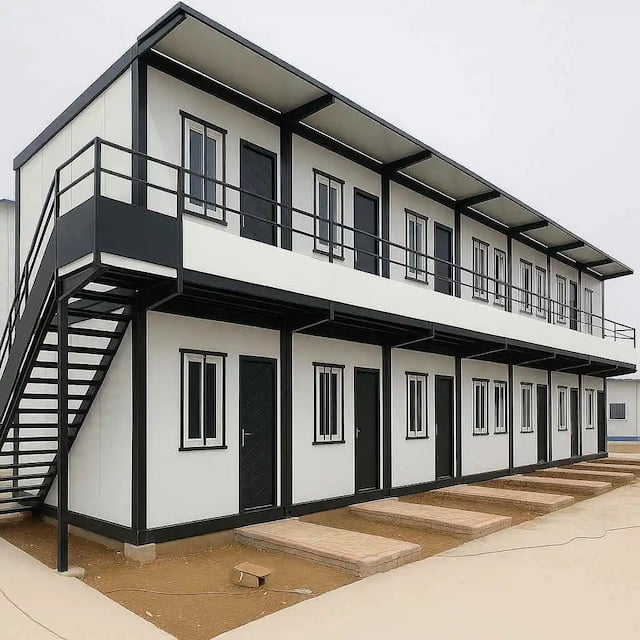
Worker accommodation is another vital application. Industries like mining, oil exploration, and large-scale construction employ thousands of laborers in remote areas. Building permanent housing is neither cost-effective nor practical. Porta cabins, designed as labour colonies or worker hutments, solve this problem.
Each unit can be customized into sleeping quarters, kitchens, and common areas. With proper insulation, ventilation, and sanitation, they offer safe and comfortable living spaces. These colonies not only improve worker morale but also boost productivity by reducing commuting stress and providing secure shelter.
Governments and NGOs use similar setups for disaster relief housing. After floods, earthquakes, or cyclones, porta cabins act as temporary homes for displaced families. Quick deployment ensures that affected communities get immediate shelter, while long-term rehabilitation plans are implemented.
Retail, Cafés, and Schools
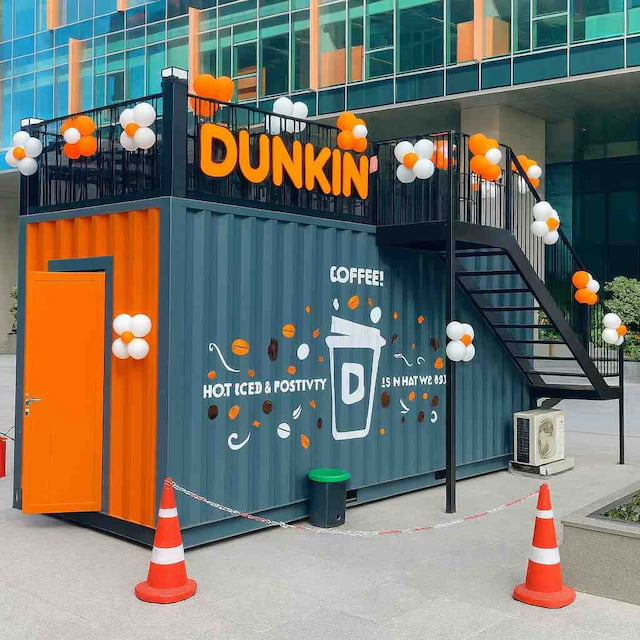
The adaptability of porta cabins extends into retail and education. Entrepreneurs use them as container cafés, food stalls, or pop-up shops. Their compact size, mobility, and low investment make them attractive for small businesses. Cafés designed with ACP cladding, glass fronts, and branded exteriors often become stylish community spots.
Schools and universities employ portable classrooms to manage sudden increases in enrollment or during renovation of existing buildings. Fully equipped with desks, lighting, and climate control, these units provide quality learning environments. In rural areas, they offer a quick solution to bridge gaps in educational infrastructure.
Healthcare has also embraced porta cabins. Mobile clinics, vaccination centers, and diagnostic labs are often set up using modular cabins. During emergencies like the COVID-19 pandemic, many regions relied on prefabricated medical units for testing and isolation facilities.
Expanding into New Sectors
The scope of applications keeps widening. Hotels experiment with modular guest rooms, tourism operators use cabins as eco-friendly resorts, and defense forces deploy them as temporary command centers. With customization, porta cabins can serve as training centers, warehouses, or even mobile banks.
The Bigger Picture
What makes porta cabins indispensable is their adaptability. Unlike civil structures locked to one function, modular units can evolve with changing needs. A site office today can become a retail outlet tomorrow or be relocated to another project altogether. This dynamic usability ensures that porta cabins remain valuable assets across industries.
Technical Specifications of Porta Cabins
Understanding the technical details of porta cabins helps buyers, architects, and project managers evaluate quality and performance. These specifications define durability, comfort, and compliance with safety standards. While designs may vary, most professional-grade porta cabins share certain common technical features.
Sizes and Dimensions
Porta cabins come in different sizes depending on use. The most common are:
-
Small cabins (10×8×8 ft to 10×10×9 ft): Ideal for security cabins, small offices, or ticket counters.
-
Medium cabins (20×10×9 ft): Popular as portable offices, classrooms, or worker quarters.
-
Large cabins (30–40 ft in length): Used for site headquarters, conference rooms, or multi-purpose halls.
Custom configurations are also possible. Units can be combined to create larger layouts, including double-storey setups. Standard ceiling heights range from 8 to 9.5 ft, ensuring adequate ventilation and comfort. Dimensions are often constrained by road transport rules, which is why modular joining techniques are used for bigger projects.
Walls, Roofing, and Flooring
Walls: Most porta cabins use insulated sandwich panels. These panels have an outer skin of galvanized steel, aluminum, or ACP (Aluminum Composite Panel) and a core of polyurethane foam (PUF), expanded polystyrene (EPS), or rockwool. Each material serves a purpose:
-
PUF panels: Excellent thermal insulation, energy-efficient, fire-resistant.
-
EPS panels: Cost-effective and lightweight, suitable for moderate climates.
-
Rockwool panels: Superior fire safety and acoustic insulation, used in high-risk zones.
Roofing: Cabins generally have sloped or pitched roofs to prevent waterlogging. Roofing options include PUF panels, corrugated galvanized sheets, or pre-painted galvanized iron (PPGI) sheets. Roof thickness typically ranges between 40–80 mm, depending on insulation needs.
Flooring: Standard floors use marine ply or cement boards topped with vinyl, laminate, or chequered plates for anti-skid protection. Cabins mounted on RCC foundations or steel skids ensure long-term stability. For heavy-duty use, steel chequered plates with insulation layers are preferred.
Windows, Doors, and Safety Features
Windows: UPVC windows with double-glass panes are widely used for insulation and noise control. MS grills are often added for security. Sliding windows with aluminum frames are another option for cost-sensitive projects.
Doors: Powder-coated MS doors or laminated wooden doors are standard. Fire-rated doors are installed in cabins meant for public use or high-risk industries.
Electrical and Plumbing: Pre-installed concealed wiring with circuit breakers ensures safety. Cabins can be fitted with LED lighting, fans, and AC points. Plumbing systems include water supply, drainage, and sanitary fittings for cabins with washrooms.
Fire and Safety Compliance: Fire-retardant panels, emergency exits, and earthing systems are mandatory for compliance with building codes. Cabins used in oil fields or hazardous sites often require additional certifications.
Add-On Features and Customization
Technical specifications can be upgraded depending on use:
-
False ceilings with thermal and acoustic insulation.
-
Modular partitions for conference rooms or staff cabins.
-
Smart energy systems with IoT sensors.
-
Solar panels and inverters for off-grid setups.
-
HVAC units for climate control in extreme weather.
Why Specifications Matter
Well-defined specifications separate professional porta cabins from low-cost, unsafe structures. For buyers, understanding these details ensures the investment delivers comfort, safety, and compliance with local regulations. With proper materials and technical design, porta cabins can perform as reliably as permanent buildings.
Porta Cabins and Sustainability
Sustainability has become a core principle of modern construction. Governments, corporations, and communities now expect buildings to reduce carbon footprints, conserve energy, and generate less waste. Porta cabins meet these demands exceptionally well. Built with precision and recyclable materials, they combine efficiency with eco-friendly practices, making them an essential part of the green building movement.
Eco-Friendly Materials
Porta cabins are manufactured using materials that minimize environmental impact. Steel, one of the most recycled resources in the world, forms the backbone of most structures. Unlike cement and bricks, which consume massive natural resources and produce high carbon emissions, steel frames can be reused multiple times without loss of strength.
Insulated sandwich panels, typically made of polyurethane foam (PUF), expanded polystyrene (EPS), or rockwool, provide both structural stability and energy efficiency. Many manufacturers now use HCFC-free and zero-ozone-depleting foams, ensuring compliance with environmental regulations. Wooden finishes, when included, are often derived from FSC-certified or plantation-based sources, ensuring sustainable forestry practices.
Energy Efficiency Benefits
Energy performance is one of the biggest advantages of porta cabins. Proper insulation keeps indoor spaces cooler in summer and warmer in winter, reducing dependence on HVAC systems. Studies show that well-insulated modular cabins can cut energy use by up to 60–70% compared with non-insulated buildings.
LED lighting, low-power fans, and energy-efficient air-conditioning units are standard in many designs. Advanced setups include motion-sensor lighting, solar rooftop panels, and smart meters that monitor electricity consumption. Over the life cycle of a cabin, these features generate significant cost savings while reducing greenhouse gas emissions.
Recycling and Circular Economy
Porta cabins are part of the circular economy model. Unlike permanent structures, which are often demolished at the end of their life span, porta cabins can be dismantled and reused. Panels, frames, and flooring can be reassembled into new units or recycled into fresh materials.
This reusability reduces construction and demolition waste, which is one of the largest contributors to global landfill. According to estimates, civil construction accounts for 30% of total solid waste generated worldwide. By shifting to prefabricated and portable units, that number can be dramatically reduced.
Reduced Site Disturbance
Another sustainable advantage lies in off-site manufacturing. Porta cabins are produced in factories, then transported to sites for installation. This minimizes on-site disturbance, including dust, noise, and traffic from raw material deliveries. The process also reduces water usage, as prefab units do not require the heavy curing and plastering associated with brick-and-mortar work.
Supporting ESG and Green Certifications
Many organizations now align their infrastructure with ESG (Environmental, Social, and Governance) goals. Porta cabins, with their low-carbon design and efficient use of resources, contribute directly to these targets. In India, porta cabins can be integrated with GRIHA and IGBC Green Building standards, while globally they support LEED certification points. For companies aiming to improve their sustainability scores, porta cabins are a natural choice.
A Future-Ready Option
By combining recyclable steel, energy-saving panels, and modular adaptability, porta cabins represent not just convenience but a responsible path forward. They embody the principles of sustainable living while meeting the practical needs of modern industries.
Cost, ROI, and Market Trends
The decision to invest in porta cabins is often driven by affordability and quicker returns. Unlike permanent buildings that require long timelines and heavy spending, portable structures deliver functionality at a fraction of the cost. Let’s break down prices, ROI benefits, and future market outlook.
Price Ranges in India
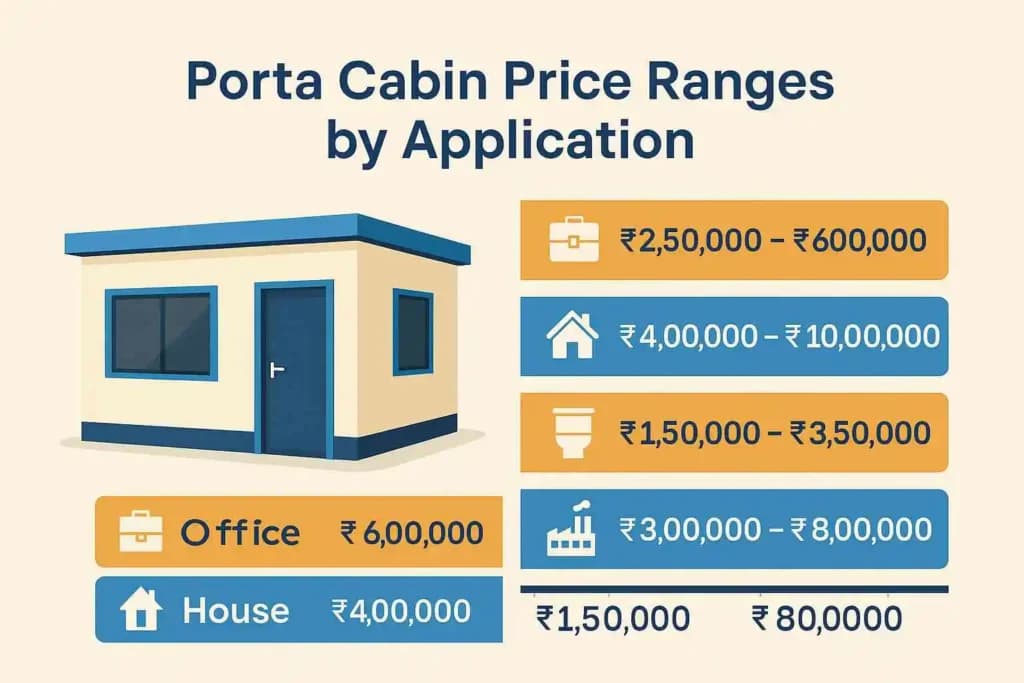
Porta cabin prices depend on dimensions, material choices, and add-ons. Average costs range between ₹1,050 and ₹2,500 per square foot, with variations based on insulation, flooring, and finishes.
-
Security cabins (10×10 ft): ~₹55,000–₹70,000
-
Medium site offices (20×10 ft): ₹1.5–₹2.5 lakh
-
Large modular offices (40×10 ft): ₹4–₹6 lakh
Customization, interiors, and services like plumbing or air-conditioning can increase costs, but the overall investment is still 30–50% lower than permanent civil structures.
ROI Compared with Traditional Construction
Civil structures often take months or years before they become usable. Porta cabins are ready in weeks, enabling businesses to start operations faster and recover investments sooner. They also reduce ongoing costs due to insulation, mobility, and reusability.
Here’s a side-by-side comparison:
| Factor | Porta Cabins | Traditional Construction |
|---|---|---|
| Initial Cost | ₹1,050–₹2,500 per sq. ft. | ₹2,500–₹5,000 per sq. ft. |
| Setup Time | 2–6 weeks (factory-built + site installation) | 6–24 months (site preparation, material supply, approvals) |
| Material Waste | <10% due to factory precision | 10–15% wastage on-site (cement, bricks, steel) |
| Energy Efficiency | Insulated panels cut energy use by 30–60% | Poor insulation; high HVAC demand |
| Mobility | Relocatable, reusable across projects | Permanent, cannot be relocated |
| ROI Timeline | 1–3 years (fast payback from quicker deployment + energy savings) | 5–10 years (longer payback due to high costs and delayed usability) |
| Lifespan | 10–25 years depending on materials and maintenance | 30–50 years with regular maintenance |
| Flexibility | Modular, expandable, customizable | Fixed structure; expansion requires major investment |
This table highlights how porta cabins achieve balance: lower upfront cost, quick returns, and adaptability, while traditional structures only win on lifespan.
Current and Future Market Demand
Globally, the modular construction industry was valued at over USD 100 billion in 2024 and is projected to exceed USD 160 billion by 2030. In India, the sector is expected to grow from USD 3.6 billion in 2024 to USD 6.2 billion by 2030, recording nearly 10% CAGR.
Key drivers include:
-
Rising land costs in urban areas.
-
Growing demand for affordable housing and site offices.
-
Government-led smart city and infrastructure projects.
-
Corporate adoption for sustainability and cost control.
Emerging Trends
-
Customization: Increasing demand for tailored designs and premium interiors.
-
Green focus: Solar-integrated cabins and recyclable materials.
-
Smart technology: IoT-based monitoring for energy efficiency.
-
Leasing models: Businesses renting porta cabins to reduce capital burden.
Final Word on Costs
From affordability to scalability, porta cabins deliver value unmatched by traditional builds. Faster deployment, lower operating expenses, and adaptability make them a future-ready investment across industries.
Case Studies and Real-Life Examples
Porta cabins are no longer seen as makeshift shelters; they have become proven solutions across industries. Real-world examples show how these modular structures solve complex challenges in speed, cost, and adaptability.
Corporate and Industrial Projects
Large construction firms regularly deploy porta cabins as temporary site offices and coordination centers. For instance, an infrastructure company building a highway in northern India used modular cabins for engineers, managers, and administrative staff. The cabins included air-conditioned workspaces, meeting rooms, and secure storage. Since the project stretched across multiple sites, the cabins were relocated every six months, cutting costs compared with renting permanent office spaces.
Manufacturing companies also use porta cabins as in-plant offices or training centers. A steel factory in Maharashtra installed customized cabins within its premises to create a quiet administrative zone. Built with rockwool panels for acoustic insulation, these units reduced noise disturbance, enabling managers to work efficiently inside a heavy industrial environment.
Government and Infrastructure Use
Governments often face urgent needs for infrastructure in limited time frames. Porta cabins offer the perfect solution. For example, during flood relief operations in Assam, portable housing units were used to provide immediate shelter for displaced families. Each cabin was equipped with basic amenities like beds, lighting, and sanitary facilities, giving families safe housing within days of the disaster.
Indian Railways has also experimented with porta cabins as ticket counters and station offices in growing towns. The cabins were installed quickly, keeping costs low while meeting the rising passenger demand.
Educational and Healthcare Examples
Education is another sector benefiting from porta cabins. A private school in Karnataka facing a surge in student admissions opted for modular classrooms instead of waiting months to construct new buildings. The cabins were ready in three weeks and included ventilation, desks, and smart boards. They not only solved the immediate space issue but could later be reused as labs or libraries.
In healthcare, porta cabins have been vital for emergency response. During the COVID-19 pandemic, several state governments and private hospitals used portable medical cabins for testing, isolation, and vaccination centers. Quick deployment saved time and lives, while modular designs allowed these units to be dismantled and reused after the crisis.
Retail and Commercial Ventures
Entrepreneurs are increasingly turning to porta cabins for innovative business models. A popular example is the container café trend. One café chain in Delhi NCR set up stylish outlets in refurbished porta cabins clad with ACP panels and large glass windows. Customers enjoyed the unique design, while the business saved heavily on rental and construction costs.
Retailers also use cabins as pop-up shops and kiosks at exhibitions, fairs, and urban markets. The flexibility to install and remove them in short timeframes makes them ideal for seasonal sales campaigns.
The Takeaway
These case studies highlight the adaptability of porta cabins across corporate, government, education, healthcare, and retail sectors. Whether for disaster relief or high-end commercial use, porta cabins consistently deliver speed, savings, and sustainability. Their versatility ensures they will remain a preferred choice in diverse real-world scenarios.
Conclusion and FAQs
Why Porta Cabins Are the Future
The journey of porta cabins tells a clear story. From their humble beginnings as temporary shelters to today’s advanced modular units, they have evolved into reliable, eco-friendly, and cost-effective solutions. Businesses, governments, and communities across India and the world are adopting them to meet urgent infrastructure needs without compromising on quality.
The advantages are undeniable: rapid deployment, lower costs, flexibility, and sustainability. In a world where time and resources are scarce, porta cabins bridge the gap between affordability and functionality. They are not just an alternative to civil construction but a smarter choice for the future of infrastructure.
If you are planning projects that demand speed, mobility, or long-term value, it’s time to explore our premium porta cabins and discover how these modern solutions can transform your business or community.
Frequently Asked Questions
Q1. How long does it take to install a porta cabin?
Most porta cabins are delivered and installed within 2–6 weeks, depending on size and customization.
Q2. What is the lifespan of a porta cabin?
With proper maintenance, porta cabins last 10–25 years. Premium cabins with PUF panels and RCC foundations can even exceed this range.
Q3. Are porta cabins safe for extreme climates?
Yes. With insulated panels, waterproof roofing, and HVAC systems, porta cabins perform well in both hot and cold environments.
Q4. How much do porta cabins cost in India?
Prices range from ₹1,050 to ₹2,500 per sq. ft. A small security cabin may cost ₹55,000, while a large modular office may cost ₹6 lakh or more.
Q5. Can porta cabins be customized?
Absolutely. Options include partitions, washrooms, kitchens, furniture, AC units, solar panels, and smart monitoring systems.
Q6. Do porta cabins require government approval?
Yes, they must comply with local building codes, fire safety norms, and zoning laws. In India, compliance with BIS standards and NBC codes is common.
Q7. Are porta cabins sustainable?
They are highly sustainable. With recyclable steel, energy-saving insulation, and reusable panels, porta cabins reduce construction waste by up to 90%.
Q8. What sectors use porta cabins most?
Construction, education, healthcare, defense, retail, hospitality, and disaster relief are the leading sectors.
Q9. Can porta cabins be relocated easily?
Yes, that’s one of their biggest strengths. They can be dismantled, transported, and reinstalled at new sites with minimal disruption.
Q10. Do porta cabins meet fire safety standards?
Modern cabins use fire-retardant panels, MCB-protected wiring, and optional fire-rated doors, ensuring compliance with safety standards.
Q11. How do porta cabins compare with shipping container conversions?
Porta cabins are designed for comfort and compliance from day one, while containers require heavy retrofitting to match the same standards.
Q12. Can porta cabins add value in urban areas?
Yes, especially in cities where land costs are high. They act as modular offices, coworking hubs, or retail outlets at a fraction of the cost of permanent construction.
Post Your Ad Here
Comments