Hip Liposuction Recovery: Diet and Fitness Tips
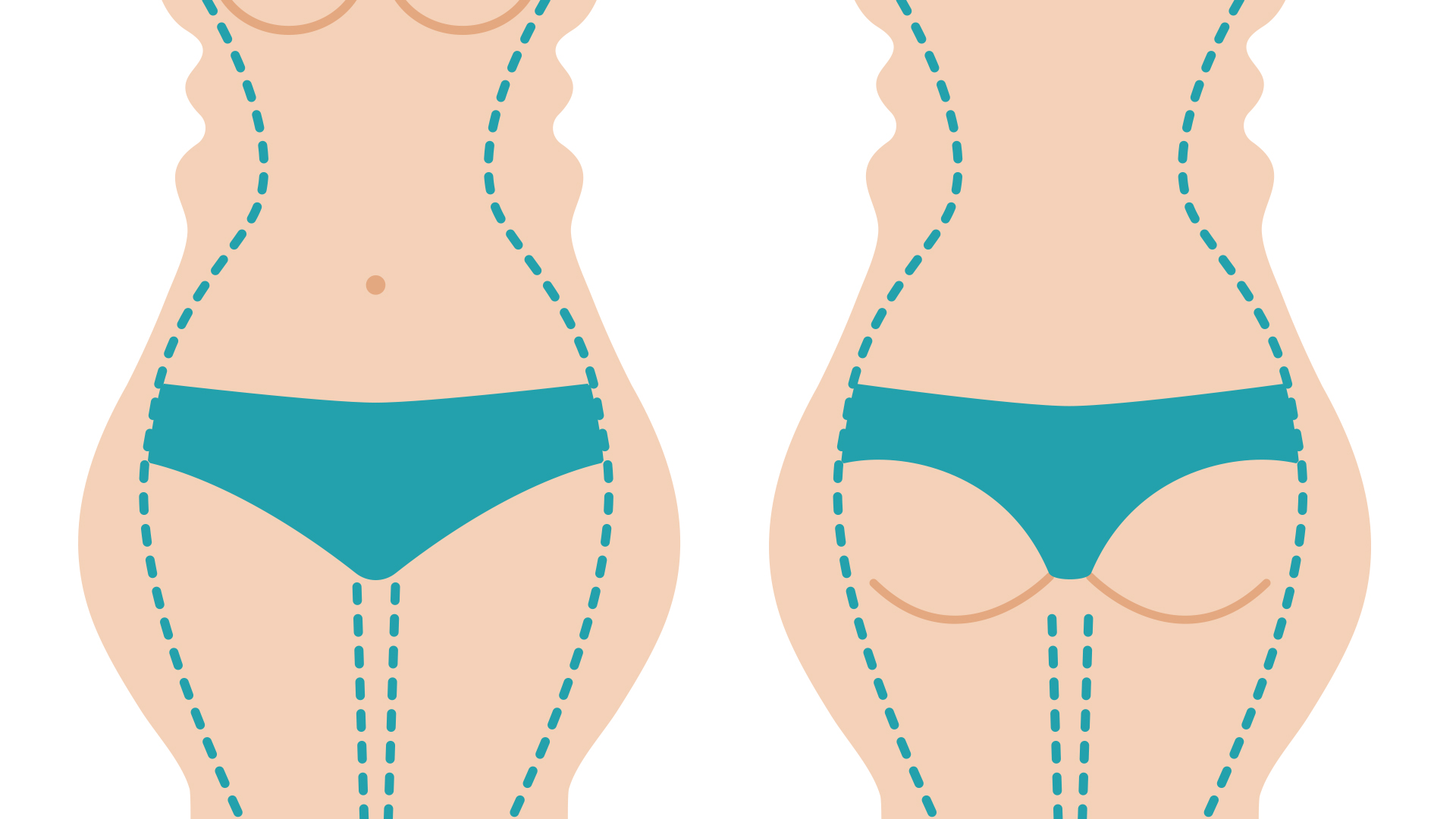
Many women struggle with stubborn fat
around the hips caused by aging, hormonal changes, or weight gain. These love
handles are often hard to address with diet and exercise alone. Hip liposuction using the minimally
invasive Smartlipo Triplex device is an effective way to remove excess fat,
achieve a smooth and more sculpted hips, and enhance body contour. However,
though the procedure removes stubborn fat deposits, the true success of the
procedure depends heavily on how well patients maintain their results in the
long run. That is where diet and exercise after hip liposuction play a crucial
role. Many patients wonder what to eat after hip liposuction for faster
recovery or when they can start exercising again. The answers to these
questions are vital, because following a structured plan not only promotes
healing but also ensures long-term results. In this post, we will break down
the ideal hip liposuction recovery diet, foods to avoid, and safe exercises to
keep your new curves intact.
Why
Diet and Exercise Matter After Hip Liposuction
It is important to understand that while
liposuction removes fat cells permanently in the treated areas, it doesn’t
prevent weight gain in the future. If you return to unhealthy eating habits or
avoid regular exercise, the remaining fat cells in your body can expand,
altering your results. Following a proper hip liposuction recovery diet and incorporating gradual physical activity can:
●
Speed up healing and reduce swelling
●
Prevent weight gain in untreated
areas
●
Enhance muscle tone and contouring
●
Support maintaining liposuction results for the long term
What
to Eat After Hip Liposuction for Faster Recovery
Your body needs optimal nutrition to heal
after surgery. A proper hip liposuction recovery diet focuses on
anti-inflammatory foods, lean proteins, and hydration.
●
Lean Proteins – Chicken, turkey,
fish, eggs, and plant-based proteins help rebuild tissue and promote faster
healing.
●
Fruits and Vegetables – Rich in
antioxidants and vitamins, they reduce inflammation and boost immunity.
Berries, leafy greens, oranges, and carrots are excellent choices.
●
Whole Grains – Brown rice, quinoa,
and oats provide sustained energy and prevent blood sugar spikes.
●
Healthy Fats – Avocados, nuts, olive
oil, and fatty fish reduce inflammation and support skin elasticity.
●
Hydration – Drink at least 8–10
glasses of water daily to flush out toxins, minimize swelling, and keep skin
supple.
Just as important as knowing what to eat
is being aware of foods to avoid after
hip liposuction for lasting results. Consuming unhealthy foods can slow
recovery, cause bloating, and make it harder to maintain your results.
●
Processed Foods – High in sodium and preservatives,
these can cause water retention and swelling.
●
Sugary Drinks and Sweets – Excess
sugar promotes fat storage and inflammation.
●
Fried and Greasy Foods – Difficult to
digest and often high in unhealthy fats.
●
Excess Salt – Triggers bloating and fluid
retention, prolonging swelling.
●
Alcohol – Slows down healing and can
interfere with medications.
By avoiding these foods, you not only
heal faster but also increase your chances of maintaining liposuction results
long term.
Exercise after Hip Liposuction: When and How to Start
While diet plays a major role in
recovery, exercise is equally important in sustaining your sculpted figure.
However, the timeline for resuming physical activity must be carefully followed
to avoid complications.
Stage
1: Immediate Post-Op (First 1–2 Weeks)
●
Focus on light walking to improve
circulation and prevent blood clots.
●
Avoid strenuous activity, bending, or
heavy lifting.
Stage
2: Early Recovery (Weeks 3–4)
●
Begin incorporating low-impact
exercises like stationary biking or gentle yoga.
●
Continue walking daily to boost
energy and aid healing.
Stage
3: Advanced Recovery (Weeks 5–6)
●
Gradually reintroduce strength
training focusing on core and lower body.
●
Light resistance bands and body weight
exercises are recommended.
Stage
4: Long-Term Maintenance (6 Weeks and Beyond)
●
Resume normal exercise routines,
including cardio, strength training, and flexibility workouts.
●
Focus on hip-toning exercises such as
squats, lunges, side leg lifts, and Pilates.
By building a consistent routine, you
will support maintaining liposuction results and keep your hips looking
sculpted for years.
Lifestyle Tips for Maintaining Liposuction Results
Long-lasting hip liposuction results
depend on more than just diet and exercise - it’s about adopting a sustainable
lifestyle. Here are some tips to keep in mind:
●
Stick
to portion control – Even healthy foods can cause weight gain if consumed in
excess.
●
Prioritize
sleep – Rest helps regulate hormones that control hunger and
fat storage.
●
Manage
stress – High stress can lead to emotional eating and weight
gain.
●
Stay
active daily – Even outside the gym, take stairs, walk more, and avoid
long periods of sitting.
Hip liposuction offers life-changing results for those struggling with stubborn fat deposits around the hips. Following a proper hip liposuction recovery diet, knowing what to eat after hip liposuction for faster recovery, avoiding harmful foods, and gradually introducing safe exercises are essential for maintaining liposuction results. When you follow a balanced diet and regular exercise routine, you not only preserve your new contours but also enhance your overall health and confidence.
Post Your Ad Here