Which Matters Most in Watch Value: Brand, Age, or Condition
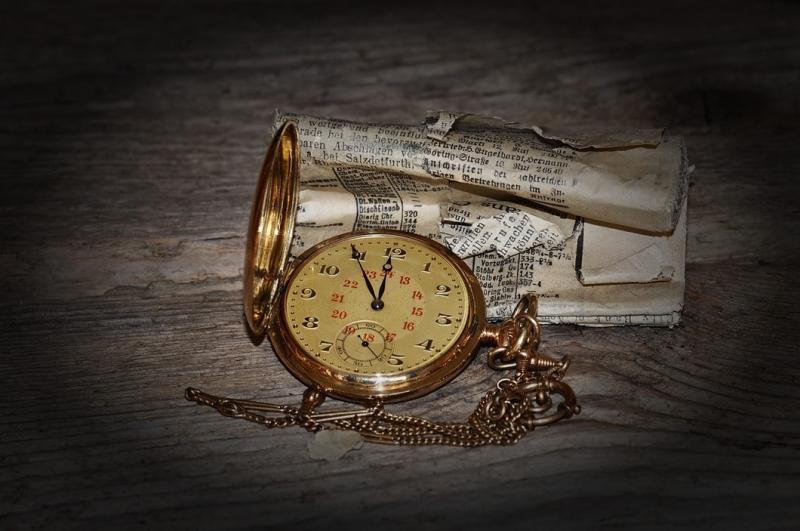
Collectors and watch enthusiasts often debate the same old question about watch valuation: what really influences a watch's worth? Is it the watch's age, the brand on the dial, or its overall condition that's the issue? Like valuing jewellery or antiques, there is no single answer. Instead, multiple factors, each with varying importance in the market, are carefully weighed to determine a watch's value.
Let's examine how brand, age, and condition interact to influence a watch's value more closely.
Brand – The Power of Reputation
Unquestionably, one of the most significant factors influencing watch valuation is brand reputation. Reputable watchmakers are often associated with decades or even centuries of skill, creativity, and dependability. Collectors highly value the legitimacy and recognition that come with such a name.
Heritage is also connected to a strong brand. Watches from companies with a rich history, avant-garde styles, or significant technological advancements tend to be more expensive. Because some brands consistently maintain high resale values even in modern markets, watch valuation experts often pay close attention to this aspect.
Compare it to valuing jewellery: the hallmark or signature of the maker can sometimes be just as important as the item itself. Similarly, a watch's worth can be increased by the prestigious reputation of the right brand, beyond its basic features.
Age – History in Every Tick
Another intriguing aspect of a watch is its age. Age often enhances rarity, character, and historical importance in antique valuations; the same applies to watches. Especially if they are from a design or craftsmanship period that is no longer produced, vintage timepieces can be exceptionally valuable.
However, high value is not always determined by age alone. A modern watch that has been perfectly preserved might be worth more than a 1950s watch in poor condition. Conversely, an older watch increases in value when it has historical significance, such as a limited edition, a unique design, or a link to notable cultural events.
Like antiques, demand for watches is often driven by those from specific decades or fashion trends. Many collectors thus see vintage watch collecting and antique valuations as closely related. The watch's history and age are both highly appealing.
Condition – The Make-or-Break Factor
Condition often determines a watch's final value, especially when the brand and age are similar. The physical state of the watch is the primary factor that experts evaluate when appraising it: Is the dial authentic? Has the case been over-polished? Are all the parts genuine and in good working condition?
Because a perfect, well-maintained watch shows care and authenticity, condition is essential. Originality matters to collectors. Even small replacements, like swapping the dial or hands, can significantly reduce the value. However, whether a watch is modern or antique, it can achieve high prices if it remains in pristine, original condition.
The shine, authenticity, and integrity of the item significantly influence its final value, which is where jewellery valuation and watch appraisal again intersect. After all, a watch's appeal can be compromised by poor condition, regardless of its rarity or prestige.
The Interplay of Brand, Age, and Condition
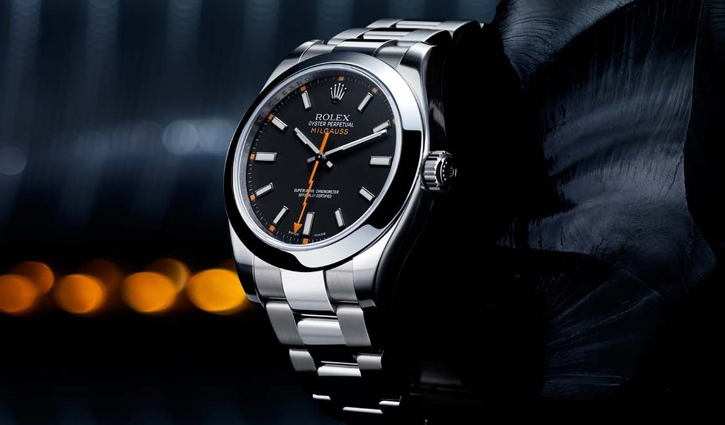
These factors—brand, age, and condition—may seem to be the "most important," but in reality, they are all related. An antique watch from a lesser-known brand might not be worth as much as a contemporary model from a well-known brand. On the other hand, a poorly maintained watch from a high-end brand might not perform as well as one from a lesser-known brand.
Consider two watches as an example. One is an excessively worn, fifty-year-old model from a well-known brand, and the other is a brand-new, immaculate model from a lesser-known manufacturer. Because brand reputation can sometimes take precedence over other considerations, the original watch may still be worth more in many situations. Condition, however, might tip the scales in specialised collector markets.
This explains why expert watch appraisal is so intricate; it necessitates simultaneously weighing maker reputation, preservation condition, and heritage.
Beyond the Big Three – Other Factors to Consider
While brand, age, and condition are the main factors that determine watch value, other factors may also be necessary:
Rarity: The value of discontinued or limited-edition models often increases significantly.
Provenance: A watch's value rises considerably if it has its original documentation, receipts, or packaging.
Market Trends: Similar to jewellery appraisal, shifting consumer preferences and global demand can influence the most sought-after designs.
Functionality: Watches with complex features, such as chronographs or moon phases, are often valued higher; mechanical excellence is crucial.
Each appraisal is unique due to the subtleties these layers add to the valuation process.
Conclusion
So, which factors—brand, age, or condition—have the most significant influence on a watch's value? Balance is key to the answer. Condition guarantees authenticity, age provides character, and brand confers prestige. These elements form the basis of a watch's worth when combined.
The process is both an art and a science, whether you're assessing watch value for a contemporary collection, valuing vintage pieces, or comparing it with jewellery valuation. Each watch has a unique story, and factors such as history, craftsmanship, and care all contribute to its value. Remember, a watch is helpful for more than just telling the time.
Post Your Ad Here
Comments