Understanding Resident Management Companies and RTM Property Management
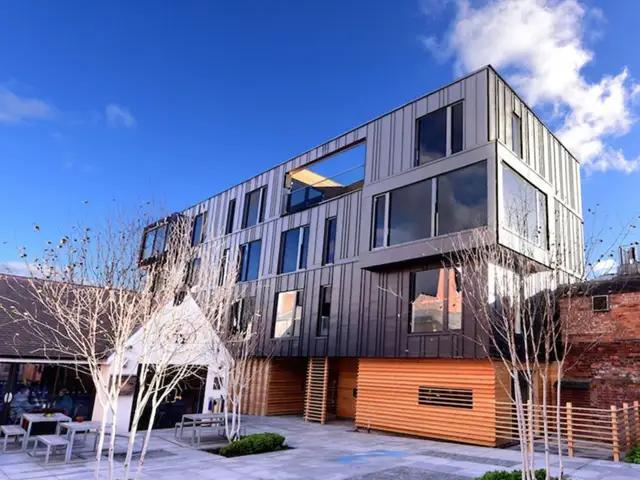
In the UK property sector, leaseholders often seek greater control over the management of their developments. This is where a Resident Management Company or an RTM Property Management arrangement comes into play. Both options give residents more authority over how their building or estate is maintained, ensuring transparency, efficiency, and better living conditions for all.
What is a Resident Management Company?
A Resident Management Company (RMC) is a limited company formed by leaseholders or property owners within a block of flats or residential development. Its purpose is to take responsibility for managing the shared areas of the property, such as hallways, gardens, car parks, and communal facilities.
An RMC usually arises when it is written into the lease at the time of development. Each resident may own a share in the company, giving them collective responsibility for decisions that affect the property. The RMC will often appoint a professional managing agent to handle day-to-day tasks such as:
-
Service charge collection and budgeting
-
Organising repairs and maintenance
-
Ensuring health and safety compliance
-
Managing insurance policies
-
Handling resident communication and disputes
This model ensures residents have a direct say in how their building is run, rather than leaving all decisions in the hands of an external freeholder.
The Role of Residents Management Company
A Residents Management Company provides structure and accountability in property management. It acts as a legal entity that represents the interests of the residents while ensuring that financial and maintenance obligations are met.
The key benefits include:
-
Control: Residents decide how funds are spent.
-
Transparency: Full visibility of service charges and expenses.
-
Community involvement: Residents can work together to maintain their living environment.
-
Flexibility: The RMC can appoint or change managing agents if service standards fall short.
This makes the Residents Management Company model highly attractive for developments where residents want more involvement in decision-making.
What is RTM Property Management?
RTM Property Management refers to the "Right to Manage," a legal right introduced under the Commonhold and Leasehold Reform Act 2002. It allows leaseholders of a block of flats to take over management responsibilities from the freeholder without needing to prove mismanagement.
Once residents exercise this right, they form an RTM company to oversee the building’s management. Just like an RMC, an RTM company may appoint professional managing agents to handle practical tasks, but the decision-making power remains with the leaseholders.
The advantages of RTM Property Management include:
-
Greater control over service charges and maintenance.
-
The ability to choose trusted contractors and suppliers.
-
Enhanced property upkeep, improving long-term value.
-
Empowering residents to manage their living space more effectively.
Conclusion
Both a Resident Management Company and RTM Property Management provide residents with the opportunity to take charge of their developments. While an RMC is typically built into the lease from the start, RTM Property Management empowers leaseholders to take control later on. In both cases, residents gain transparency, better financial oversight, and a say in how their property is maintained. For communities that value accountability and quality living standards, forming a Residents Management Company or exercising the Right to Manage can be a powerful step toward improving their homes and investments.
Post Your Ad Here
Comments