What You Need to Know about Sauna Heater Installation Before Buying?
Installing
a sauna heater can help you create the perfect sauna experience. But
this process requires careful planning and awareness before purchasing.
Proper installation ensures safety, efficient heating, and longevity of
the heating unit. Please check out what homeowners should consider
before buying a sauna heater to prepare for a smooth setup:
Understand the Space Needs
Before choosing a sauna heater, you need to measure your sauna room's dimensions carefully. Premium-quality sauna heaters
are available in various sizes and power ratings, designed to heat
specific volumes effectively. Overpowering or underpowering a sauna
heater can cause inefficient heating or excessive energy consumption.
Most heaters require minimum clearances from walls, ceilings, and benches for safety and air circulation. This typical guideline allows at least 4-12 inches of clearance from combustible surfaces. You need to position the heater to promote even heat distribution, often along the same wall as the sauna door or in a corner to ensure proper airflow.
Choose the Right Type of Sauna Heater
Sauna
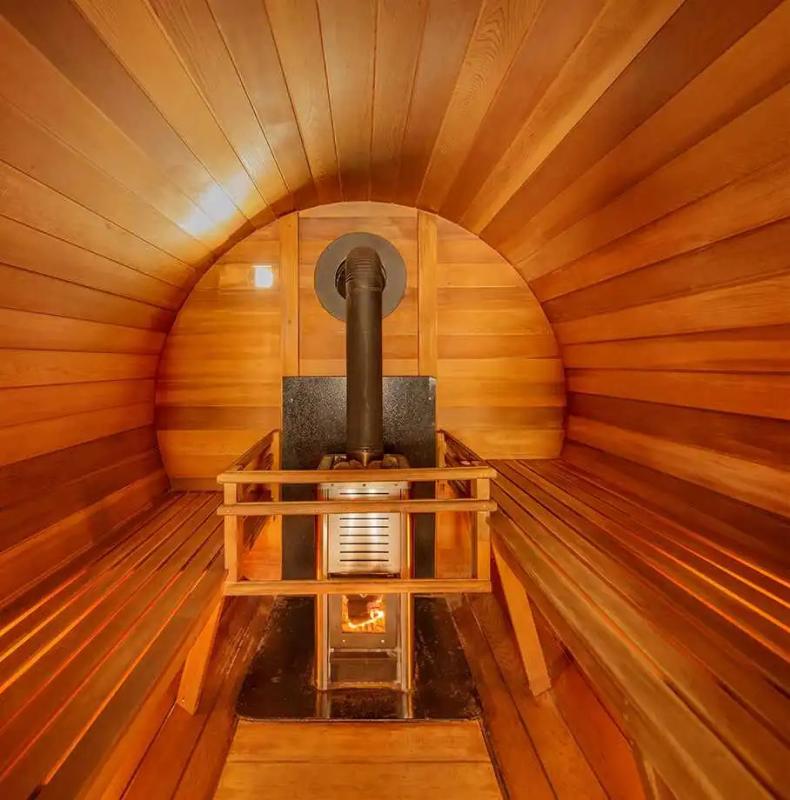
heaters generally are available in electric, wood-burning, or infrared
options. Electric sauna heaters are the most common for home application
due to ease of installation and consistent heat control. Wood-burning
models require a chimney and more space, but these systems offer a
traditional experience. Infrared heaters work differently by heating the
body directly rather than the air.
Knowing
which type matches your sauna design, local codes, and personal
preferences will help you narrow down heater choices well before
installation.
Meet Electrical and Safety Requirements
Electric sauna heaters require a dedicated high-voltage circuit, commonly 220V or higher. They should be installed by a licensed electrician. Ensuring your home’s electrical system meets these requirements is essential. Improper wiring or power supply can lead to dangerous overheating or fire risks.
Safety features like automatic shut-off, temperature sensors, and overheat protection are necessary and should be verified before purchase. Proper grounding and adherence to local building codes are mandatory for peaceful sauna application.
Prepare for Physical Installation
Depending on the type of model, sauna heaters can be wall-mounted or freestanding units. Wall-mounted heaters usually need sturdy anchoring, usually on wall studs, with attention to height placement—generally 4-12 inches off the floor. Freestanding heaters require stable, level flooring and possibly heat shields to protect wooden floors.
Heating stones should be placed around electric heating elements to retain and radiate heat. Installing stones properly with adequate spacing can avoid overheating and prolong the heater's life.
Plan for Ventilation
Good
ventilation can help you maintain air quality, prevent moisture
buildup, and enhance heat circulation. Most sauna rooms have a low
intake vent near the heater and an exhaust vent on the opposite wall to
ensure efficient airflow. Proper venting can extend heater lifespan and
keep sauna sessions comfortable.
Test and Maintain Your Heater
After installation, you can run a test cycle to confirm the heater reaches and maintains desired temperatures without unusual noises or odors. You must be familiar with the control panel and safety shut-off functions.
Regular maintenance should include checking and replacing heating stones as needed, cleaning vents, and inspecting electrical connections. Following these routines can help you ensure that your sauna heater remains safe and efficient.
Author Information –
This article is written by Northern Lights Cedar Barrel Saunas,
which specializes in providing sauna heaters including wood-fired,
electric and infrared allowing you to choose the right sauna heating
system for your needs.
Post Your Ad Here
Comments