Engineered Wood Flooring vs Luxury Vinyl Tiles: Which One is the Best
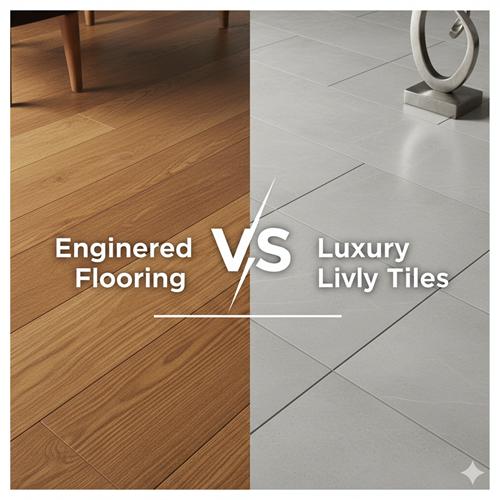
One of the most important decisions you'll ever make when remodelling your house is choosing the flooring. It influences comfort, sets the mood in your room, and even impacts your property's value. However, it can be easy to get caught up in the details when there are so many options. Engineered wood flooring and luxury vinyl tiles (LVT) are currently two of the most popular choices. Both offer style, elegance, and durability, but which one deserves a place in your home? Let's explore their differences and help you make an informed decision.
What Is Engineered Wood Flooring?
Engineered wood flooring combines layered construction with natural wood. The top veneer is authentic hardwood, giving it the look and feel of solid wood. Beneath are layers of plywood or high-density fibreboard for enhanced stability and reduced warping.
One popular style is the classic herringbone parquet flooring, adding timeless charm and elegance to any room. It balances natural beauty and practicality.
What Are Luxury Vinyl Tiles (LVT)?
All materials for luxury vinyl tiles are synthetic, mimicking the appearance of stone or wood. They consist of layers like backing, printed design, and a wear layer. LVT's affordability, water resistance, and variety make it an increasingly popular choice.
Although luxury vinyl lacks the natural materials found in engineered wood, it offers durability and low maintenance. LVT is popular in areas prone to moisture, such as basements, bathrooms, and kitchens.
Appearance and Style
Engineered Wood Flooring: It offers the warmth of real wood, whether in herringbone parquet or oak planks. It's a lasting style investment that gains character over time.
Luxury Vinyl Tiles (LVT): They mimic wood and stone but lack the depth and natural variation of their natural counterparts. While the printed layer appears convincing from a distance, enthusiasts notice the difference up close. Still, LVT provides a broader range of colours and patterns for experimental designs.
Durability and Longevity
Engineered Flooring: It is less susceptible to warping than solid wood due to its layered construction. With proper care, it can last for decades. The lifespan of engineered wood floors can often be prolonged by sanding and refinishing them once or twice a year.
LVT Flooring: LVT is very durable, scratch-resistant, and resistant to moisture and spills. However, it cannot be refinished; the only option is to replace it when it wears out. With proper care, engineered wood flooring typically lasts between 10 and 20 years, often outlasting other types of flooring.
Comfort and Feel Underfoot
Engineered Wood Flooring: Real wood is warm, smooth, and organic to walk on. LVT is unable to capture the luxurious atmosphere that permeates the area thoroughly. When underfloor heating is added, engineered wood flooring becomes both fashionable and cosy all year long.
Vinyl LVT Tiles: Compared to wood, LVT typically feels colder and more challenging to the touch. Although some high-end vinyl options feature padded layers for added comfort, they still lack the warm feel of genuine flooring.
Installation
Engineered Wood Flooring: It requires precise installation. It can be laid as a floating floor, nailed, or glued. Professional installation is strongly advised for patterned designs such as herringbone parquet flooring. The result is worth the effort, even though it may take longer and cost more up front.
Luxury LVT Vinyl Tiles: The simplicity of installation is one of the most significant benefits of LVT. Many options feature click-lock systems, making them easy to assemble and disassemble. This implies that if you're comfortable doing the installation yourself, you can save time and money.
Maintenance and Care
Engineered Wood Flooring: It requires a bit more care. To prevent stains, spills should be wiped up immediately, and regular sweeping or vacuuming is essential. Its appearance can be maintained for decades with occasional refinishing.
Luxurious Vinyl Tiles: They require very little maintenance. With minimal effort, they can handle spills, stains, and high foot traffic. They keep their original look with routine sweeping and mopping.
Cost Considerations
Engineered Wood Flooring: It generally costs more initially than vinyl, but it considerably boosts the value of your home. Due to the authentic appeal of natural wood, homes with engineered wood floors often command higher resale prices.
Luxury Vinyl Tiles: More affordable. Ideal for those wanting a stylish appearance without a high price tag. However, LVT is better suited for short- to mid-term projects because it doesn't enhance resale value as much.
Environmental Impact
Engineered Wood Flooring: Often produced using sustainable methods and real wood. When responsibly sourced, it is a renewable resource.
Luxury Vinyl Tiles: LVT is less environmentally friendly due to its synthetic nature. Many options contribute to plastic waste, even though some are recyclable. Engineered wood is a better choice if sustainability is a priority.
Where Does WPC Flooring Fit In?
WPC flooring (Wood Plastic Composite) is a premium vinyl flooring option with a wood-polymer core. Compared to standard vinyl, it offers greater stability and water resistance. WPC flooring is practical, but it still lacks the longevity and natural beauty of engineered wood flooring.
Final Thoughts: Which One Should You Choose?
Engineered wood flooring offers natural elegance, durability, and timeless beauty. Herringbone adds charm, but Luxury Vinyl Tiles are more affordable, moisture-resistant, and easy to install and maintain—ideal for busy or spill-prone areas. Your decision depends on lifestyle, budget, and design goals. Both options have benefits; choose the one that best creates your ideal home atmosphere.

Post Your Ad Here
Comments