How to Choose the Perfect Toilet Cubicle Design for Your Business
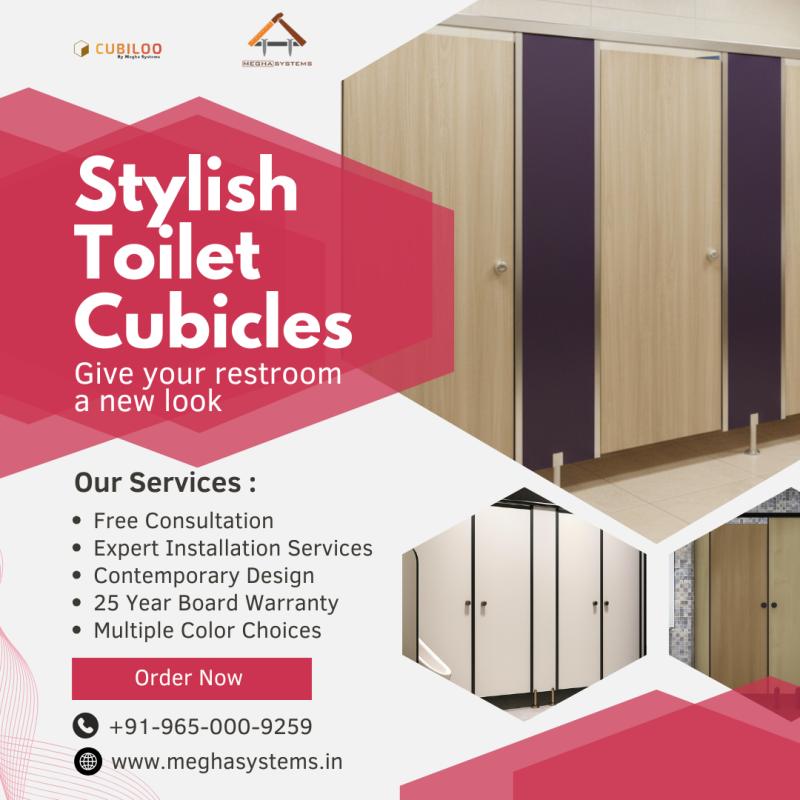
Selecting the right toilet cubicles design is essential for creating a comfortable, hygienic, and visually appealing restroom that reflects your brand’s identity. Here’s a step-by-step guide to help you make the best choice:
1. Assess Your Space and Layout
Begin by measuring the available area—including ceiling height, floor slope, and plumbing locations. Identify high-traffic zones versus executive or accessible facilities so you can allocate different cubicle types accordingly.
2. Define User Needs and Accessibility
Consider the demographics of your users: employees, clients, visitors, or guests with mobility challenges. Incorporate ADA-compliant cubicles with wider doors, grab bars, and lower fixtures where required. Prioritizing universal design ensures comfort and legal compliance.
3. Choose the Right Materials
-
High-Pressure Laminate (HPL): Durable, moisture-resistant, and available in a wide range of colors and patterns.
-
Compact Grade Laminate (CGL): Thicker panels that offer superior strength and water resistance—ideal for heavy-use environments.
-
Stainless Steel: Sleek, corrosion-resistant, and easy to clean, perfect for upscale or industrial settings.
Evaluate each material’s durability, maintenance needs, and cost to find the best fit for your budget and aesthetic.
4. Select Cubicle Height and Privacy Level
Decide between standard, extended-height, and full-height partitions:
-
Standard (1500 mm): Common in public restrooms for adequate privacy and airflow.
-
Extended (1600–1800 mm): Balances privacy with ventilation.
-
Full-Height (floor-to-ceiling): Maximum privacy and sound insulation—ideal for executive washrooms or high-end venues.
5. Prioritize Hygiene and Maintenance
Opt for anti-microbial or copper-infused laminates to inhibit bacterial growth. Select easy-clean hardware—such as concealed fixings and seamless joints—to reduce maintenance time and costs. Smooth, non-porous surfaces ensure better sanitation.
6. Integrate Smart Features
Enhance user experience and operational efficiency with touchless door latches, occupancy indicators, and automatic air fresheners. Advanced systems can monitor usage patterns and alert maintenance teams when supplies run low.
7. Reflect Your Brand’s Aesthetic
Use color, texture, and graphics that align with your company’s branding. Digital printing on panels permits custom logos, patterns, or motivational quotes, reinforcing brand identity and creating a cohesive interior design.
8. Plan for Sustainability
Choose eco-friendly materials certified by FSC or GREENGUARD. Low-VOC finishes and recycled-content laminates reduce environmental impact. Integrate water-saving fixtures to support green building certifications and lower utility bills.
9. Factor in Installation and Lead Times
Modular, prefabricated cubicle systems expedite installation and minimize downtime. Confirm lead times for custom finishes and ensure installer expertise to maintain project schedules—especially critical for large-scale renovations.
10. Secure Long-Term Support and Warranty
Verify warranty terms for boards, hardware, and finishes—ideally 10–25 years for structural components. Post-installation maintenance contracts and responsive support services guarantee continued performance and peace of mind.
By following these steps—assessing space, prioritizing user needs, selecting durable materials, integrating hygiene and smart features, and aligning with brand and sustainability goals—you can choose a toilet cubicles design that elevates your business environment and delivers lasting value.
Post Your Ad Here
Comments