The Rising Importance of Basement Waterproofing in Springdale, Arkansas
A Timely Concern
In recent years, Springdale, Arkansas, has experienced increased rainfall variability and more intense storm patterns. According to data from the National Weather Service, the region has seen a 12% rise in annual precipitation compared to averages from two decades ago. For homeowners and businesses alike, these weather shifts bring a heightened risk of water intrusion in basements and foundations — a problem that carries both financial and structural consequences.
As property owners rethink how to protect their investments, basement waterproofing has emerged as more than just a preventive measure. It is now considered a practical necessity in Springdale’s evolving climate and real estate market.
The Challenge of Water Intrusion
Basements are especially vulnerable to water seepage due to their below-ground positioning. Cracks in foundation walls, aging drainage systems, or poorly sealed windows can quickly allow moisture to enter. Once inside, water can lead to mold growth, structural weakening, and diminished property value.
Nationwide studies suggest that nearly 60% of U.S. homes with basements will experience some form of water intrusion at least once. In Arkansas, where clay-heavy soil expands and contracts significantly with moisture changes, the risk is even higher. For Springdale residents, this means basement waterproofing is not just about comfort — it’s about safeguarding health and long-term property integrity.
Emerging Solutions and Industry Trends
Basement waterproofing in Springdale, Arkansas, has evolved far beyond patchwork fixes. Contractors and engineers are adopting integrated approaches that address both immediate leaks and long-term vulnerabilities. These solutions often include:
-
Exterior Drainage Improvements: Enhancing grading and installing French drains to divert water away from foundations.
-
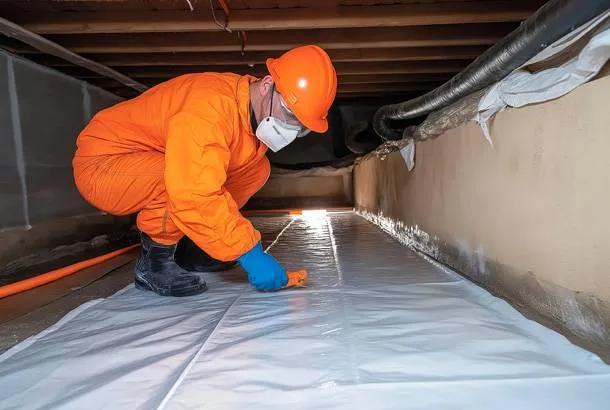
Interior Sealants and Barriers: Applying advanced coatings and membranes that provide additional layers of protection.
-
Sump Pump Systems: Installing backup pumps to handle excess groundwater during heavy storms.
-
Foundation Reinforcement: Combining waterproofing with structural repair to prevent cracks from widening.
These methods reflect a broader shift in the construction industry, where waterproofing is increasingly seen as part of holistic property management rather than a stand-alone repair.
A Practical Example in Action
Consider a mid-sized family home in Springdale’s older neighborhoods. Built in the early 1980s, the property recently began experiencing moisture pooling during seasonal downpours. After a detailed inspection, it was found that the home’s original drainage was no longer sufficient to handle runoff from newly paved streets nearby.
By implementing a combination of exterior grading, a sump pump system, and interior sealants, the basement was transformed from a damp, musty space into a usable living area. Not only did this improve the homeowners’ quality of life, but it also increased the property’s resale potential.
Cases like this illustrate how basement waterproofing in Springdale, Arkansas, has become a critical step in adapting older housing stock to modern weather and urban development patterns. For a deeper look at the types of services available, homeowners can review specialized providers such as Smouse Bros. Basement Waterproofing.
Broader Industry Impacts
The growing attention to waterproofing also carries implications for local businesses and the broader real estate sector.
-
Real Estate Value: Properties with waterproofed basements are often listed at a premium, given their reduced risk of damage and increased usable square footage.
-
Construction Standards: Builders in Springdale are beginning to integrate waterproofing into new home construction, signaling a shift from reactive to proactive design.
-
Insurance Considerations: As claims related to water damage rise, some insurers are beginning to recognize waterproofing investments as risk-reducing measures, potentially impacting premiums.
-
Local Economy: Demand for waterproofing services creates opportunities for contractors, engineers, and material suppliers, contributing to job growth in the region. Collectively, these factors position basement waterproofing as a business-relevant issue, connecting construction, real estate, insurance, and local economic development.
Looking Ahead
As Springdale continues to grow — both in population and in built infrastructure — the challenges of water management will remain top of mind. The future may bring more sophisticated technologies, from AI-driven moisture sensors to eco-friendly drainage materials. What remains clear is that waterproofing will play a pivotal role in how homeowners and businesses protect their assets in an era of climate unpredictability.
In the broader conversation about real estate resilience and sustainability, basement waterproofing is no longer a niche concern. For Springdale, Arkansas, it is fast becoming a cornerstone of property management and community stability.
Post Your Ad Here
Comments