Top Features Gamers Need in Blockchain Wallets
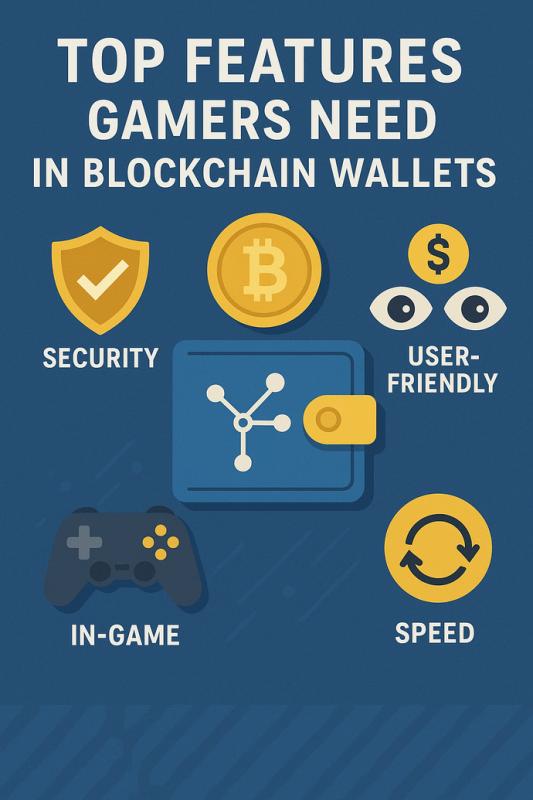
The gaming industry's shift to Web3 has driven demand for specialized blockchain wallets tailored for gamers. Unlike traditional wallets for trading digital assets, gaming wallets must integrate with complex gaming ecosystems and ensure security and functionality for digital asset management.
As gaming evolves, the gap between standard crypto wallets and gaming needs becomes clear. Gamers require crypto wallets for blockchain games that manage multiple tokens, NFTs, cross-chain transactions, and real-time interactions securely and smoothly. The success of Web3 games depends on offering intuitive, feature-rich wallets that improve the gaming experience.
Understanding what gamers truly need from their blockchain wallets is crucial for both wallet developers and gaming companies looking to create compelling Web3 experiences. The features that matter most to gamers often differ significantly from those prioritized by traditional crypto users, reflecting the unique demands of interactive entertainment and digital asset ownership in gaming contexts.
Multi-Chain Compatibility and Cross-Chain Functionality
Modern blockchain gaming spans multiple networks, from Ethereum and Polygon to Solana and Binance Smart Chain. Gamers frequently participate in games across different blockchain ecosystems, making multi-chain support an essential feature rather than a luxury.
Seamless Network Switching
A gaming-focused wallet must allow players to switch between different blockchain networks without complicated manual configurations. This functionality becomes critical when players want to move assets between games on different chains or participate in cross-chain gaming events. The wallet should automatically detect which network a game requires and prompt users to switch networks seamlessly.
Key aspects of effective multi-chain support include:
Automatic Network Detection: The wallet should recognize which blockchain network a connected game requires and offer one-click switching
Unified Asset View: Players should see all their assets across different chains in a single, organized interface
Cross-Chain Bridge Integration: Built-in bridging functionality allows players to move assets between different blockchain networks without using external services
Network-Specific Gas Fee Management: The wallet should display gas fees in familiar terms and offer optimization suggestions for each network
Working with an experienced blockchain game development company becomes crucial when implementing these multi-chain features, as they require deep technical integration and ongoing maintenance across multiple blockchain protocols.
Advanced NFT Management and Display
Gaming NFTs represent far more than simple collectibles; they're functional assets that directly impact gameplay, character progression, and economic opportunities within games. A gaming wallet must treat NFTs as the complex, interactive assets they truly are.
Rich Metadata Display and Organization
Gaming NFTs contain extensive metadata that affects their functionality and value. A proper gaming wallet should display this information in an intuitive, visually appealing format that helps players understand their assets' capabilities and current status.
3D Asset Previews: Many gaming NFTs are complex 3D models that should be viewable directly within the wallet interface
Stats and Attributes Tracking: Display detailed statistics, upgrade levels, rarity information, and other game-relevant metadata
Collection Organization: Allow players to organize NFTs by game, rarity, function, or custom categories
Usage History: Show where and how NFTs have been used across different games and platforms
In-Wallet Trading and Marketplace Integration
Gamers frequently trade assets between gaming sessions, making integrated marketplace functionality essential. The wallet should connect directly with major NFT marketplaces while also supporting peer-to-peer trading features that enable quick exchanges with other players.
Real-Time Transaction Processing and Gas Optimization
Gaming requires fast, reliable transactions that don't interrupt the flow of gameplay. Unlike casual crypto trading, gaming transactions often occur in rapid succession and must be processed quickly to maintain engaging user experiences.
Intelligent Gas Fee Management
Gas fees can quickly become prohibitive for active gamers, especially during network congestion. A gaming wallet must include sophisticated gas optimization features that help players minimize costs while maintaining transaction speed.
The wallet should offer:
Dynamic Fee Adjustment: Automatically adjust gas prices based on network conditions and transaction urgency
Batch Transaction Processing: Group multiple small transactions together to reduce overall gas costs
Layer 2 Integration: Seamlessly route transactions through layer 2 solutions when possible to minimize fees
Gas Fee Prediction: Provide accurate estimates of transaction costs before players commit to actions
Priority Transaction Handling
Gaming contexts often require certain transactions to be processed with higher priority, such as time-sensitive marketplace purchases or competitive gaming moves. The wallet should allow players to designate priority levels for different types of transactions.
Enhanced Security Features for Gaming Assets
Gaming wallets store assets that players have invested significant time and money to acquire. These assets often have emotional value beyond their monetary worth, making advanced security features absolutely crucial for maintaining player trust and engagement.
store assets that players have invested significant time and money to acquire. These assets often have emotional value beyond their monetary worth, making advanced security features absolutely crucial for maintaining player trust and engagement.
Multi-Signature and Hardware Wallet Integration
For valuable gaming collections, multi-signature functionality provides an additional layer of security that prevents unauthorized asset transfers even if primary keys are compromised.
Security features should include:
Hardware Wallet Compatibility: Seamless integration with popular hardware wallets like Ledger and Trezor
Multi-Signature Options: Allow players to require multiple approvals for high-value transactions
Spending Limits: Set daily or transaction-based limits for different types of assets
Suspicious Activity Monitoring: Alert players to unusual transaction patterns or login attempts
Backup and Recovery Systems
Gaming assets represent significant investments of time and money. The wallet must provide robust backup and recovery options that protect players against device loss, forgotten passwords, and other common security issues.
Social Features and Community Integration
Gaming is inherently social, and blockchain gaming wallets should reflect this reality by incorporating features that enhance community interaction and social gameplay elements.
Friend Networks and Asset Sharing
Players should be able to connect with friends, view each other's collections, and easily share or gift assets. This social functionality extends the gaming experience beyond individual titles and creates stronger community bonds.
Social features include:
Friend Lists and Profiles: Connect with other players and view their public asset collections
Gift and Transfer Functions: Easily send assets to friends with simplified recipient selection
Social Trading: Facilitate asset trades between friends with built-in escrow functionality
Achievement Sharing: Showcase gaming achievements and rare asset acquisitions to the community
Guild and Team Management
Many blockchain games involve guild-based gameplay where groups of players collaborate toward common goals. The wallet should support guild treasuries, shared asset management, and collaborative decision-making processes.
Performance Optimization and User Experience
Gaming wallets must prioritize performance and responsiveness, as any lag or delay can negatively impact the gaming experience. The wallet should feel as smooth and responsive as the games themselves.
Lightweight Architecture and Fast Loading
The wallet application should start quickly, sync efficiently, and respond immediately to user inputs. Background processes should be optimized to avoid impacting game performance when running simultaneously.
Performance considerations include:
Minimal Resource Usage: The wallet should use minimal CPU and memory resources
Fast Sync Times: Quickly update asset balances and transaction history
Offline Functionality: Provide basic functionality even when internet connectivity is limited
Responsive Design: Maintain smooth performance across different devices and screen sizes
Conclusion
The convergence of gaming and blockchain technology demands specialized wallet solutions that understand and cater to gamers' unique needs. The most successful gaming wallets will be those that seamlessly blend traditional wallet functionality with gaming-specific features, creating tools that enhance rather than complicate the Web3 gaming experience. As this market continues to mature, the wallets that prioritize user experience, security, and gaming integration will become the foundation upon which the next generation of blockchain gaming is built.


Comments