Why Endoscopic Suturing Devices and Sterility Systems Are Transforming Veterinary Surgery
Have you ever faced the challenge of handling delicate instruments that fail under heat or moisture?
In small veterinary practices, this problem is very common. Many critical devices cannot withstand repeated exposure to steam. This creates gaps in sterility and slows down surgical work.
Clinics need practical solutions that keep instruments safe while saving time. Reliable equipment like endoscopic suturing devices paired with the right sterilization methods is changing the way veterinary teams operate.
Why Reliable Surgical Tools Matter
In veterinary clinics, fragile instruments are used every day. Rigid and flexible scopes, electrocautery instruments, and even fiberoptic light cables demand careful care. Damage from poor cleaning methods leads to higher replacement costs. It also risks downtime during urgent cases.
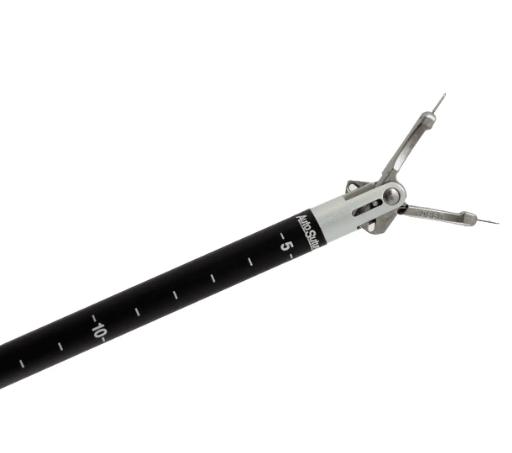
This is where modern technology adds real strength. Tools such as endoscopic suturing devices allow veterinarians to handle complex tissue work in less time. When combined with training and support, they deliver consistent results for both staff and patients. A practice that invests in these solutions gains speed and accuracy.
Sterility Challenges in Clinics
Maintaining sterility goes beyond surface cleaning. Instruments like batteries, cryoprobes, or ophthalmic lenses have sensitive parts. Standard heat-based sterilization can harm them. This is why low temperature plasma sterilization has become essential. It provides a safe way to treat delicate devices without causing damage.
The challenge is consistency. If the process is skipped, contamination risks rise. If overused, the turnaround time for instruments increases. Clinics need flexible systems that adapt to different tools while ensuring complete safety.
Instrument Categories and Their Needs
Different categories of instruments require special handling.
Below is a breakdown that shows how diverse equipment demands specific solutions:
Traditional suturing often increases surgical time. It also raises stress on both surgeons and patients. With endoscopic suturing devices, procedures become shorter and more precise. Surgeons gain control over hard-to-reach areas, improving outcomes. Patients recover faster, and staff manage cases with greater confidence.
When paired with the low temperature plasma sterilizationeto sterilization process, these devices stay in top condition. Clinics avoid costly replacements and maintain higher standards of safety. This combination of precision and protection is shaping the future of veterinary surgery.
The Final Words
Veterinary practices that adopt advanced equipment gain more than tools. They gain reliability, faster procedures, and safer results. Endoscopic suturing devices and safe sterilization systems work together to raise standards in every clinic.
If your practice is ready to move forward, now is the time. Explore solutions designed for sensitive instruments. Your patients, your staff, and your bottom line will see the difference.

Post Your Ad Here
Comments