Water Removal Service vs. DIY Clean-Up: Why Professional Help Matters
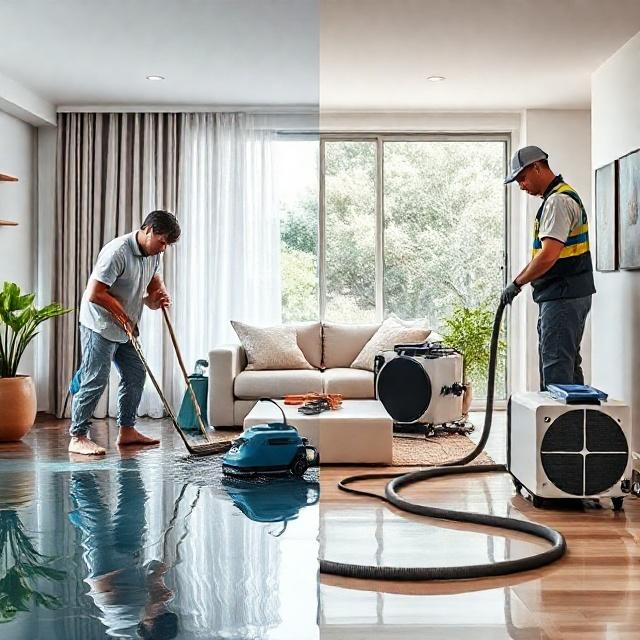
Experiencing a flood or significant water leak in your home can be both stressful and overwhelming. When faced with a soaked carpet, waterlogged furniture, or saturated walls, many homeowners wonder whether a DIY clean-up is sufficient or if professional intervention is necessary. While tackling small spills yourself may seem practical, serious flooding incidents require expertise, specialised equipment, and a structured restoration plan to prevent long-term damage.
Understanding the differences between DIY approaches and professional water removal services can help homeowners make informed decisions that protect their property and ensure safety.
The Limitations of DIY Clean-Up
For minor spills or superficial water damage, homeowners often use towels, mops, or household vacuums. While these tools can remove some moisture, they are rarely effective in addressing water that has penetrated carpets, walls, or flooring.
DIY clean-ups often fail to:
-
Reach hidden moisture behind walls, under floorboards, or inside insulation
-
Prevent mould growth, which can develop within 24 to 48 hours
-
Restore structural integrity in cases of prolonged exposure
-
Sanitise affected areas, especially if the water is contaminated
Attempting to dry carpets or subfloors without industrial equipment often leaves residual moisture, which can lead to odours, warped floors, and potential health hazards.
Why Professional Water Removal Services Are Essential
Professional water removal services bring advanced technology, experience, and efficiency to the table. When you contact experts, they not only remove standing water but also address hidden damage that is often overlooked during a DIY attempt.
Some of the benefits include:
-
Rapid Water Extraction – Professionals use industrial pumps and vacuums to remove large volumes of water quickly, reducing the risk of secondary damage.
-
Structural Drying – Using air movers, dehumidifiers, and moisture meters, specialists ensure that carpets, underlays, walls, and subfloors are thoroughly dried.
-
Mould Prevention – Proper drying and antimicrobial treatments minimise the likelihood of mould developing after a flood.
-
Safety Measures – Experts assess electrical systems, structural integrity, and contamination risks, keeping you and your family safe during the restoration process.
Services like water damage restoration Melbourne combine these steps to not only repair damage but also restore your home to a safe and healthy condition.
When DIY May Be Acceptable
There are situations where a DIY approach may be sufficient, such as:
-
Minor spills that are quickly contained and cleaned
-
Small leaks that do not penetrate flooring or walls
-
Areas with minimal furniture and absorbent materials
Even in these cases, homeowners should act fast to blot water, ventilate the area, and monitor for signs of mould or lingering dampness.
However, for anything beyond minor incidents, professional help is strongly recommended. Attempting to restore larger-scale flooding without proper equipment or knowledge can be costly in the long run.
Understanding the Flooding Repair Process
Professional flood and water damage services follow a structured approach to ensure comprehensive restoration:
-
Assessment and Inspection – Technicians evaluate the source of the water, extent of damage, and potential hazards.
-
Water Removal – Using industrial extraction equipment, standing water is quickly removed from carpets, floors, and other affected areas.
-
Drying and Dehumidification – Air movers and dehumidifiers remove trapped moisture from hidden areas, preventing future issues like warping or mould growth.
-
Sanitisation and Cleaning – Contaminated water requires antimicrobial treatments to make surfaces safe again.
-
Repairs and Restoration – Damaged carpets, flooring, or walls are repaired or replaced, returning the home to its pre-flood condition.
By following these steps, flooding repairs melbourne expertsensure that no part of your property is left vulnerable to future damage.
The Hidden Dangers of DIY Approaches
Even with best intentions, DIY clean-up flooding repairs Melbourne can leave homeowners exposed to unseen risks:
-
Mould and Mildew – Moisture trapped in flooring or insulation promotes mould growth, which can impact respiratory health.
-
Structural Damage – Prolonged exposure to water weakens wood, plaster, and concrete, potentially leading to costly repairs.
-
Electrical Hazards – Standing water combined with faulty wiring or appliances can cause electrocution risks if not handled safely.
-
Loss of Valuables – Improper drying techniques may permanently damage carpets, furniture, and personal items.
Professional intervention mitigates these risks, giving homeowners peace of mind that the restoration is thorough and safe.
Cost Considerations
Some homeowners avoid professional services due to perceived costs, but DIY attempts often result in higher expenses over time. Water that is not completely removed can lead to recurring problems such as:
-
Mould remediation
-
Structural repairs
-
Replacement of carpets, flooring, and furniture
Investing in professional water removal and restoration services ensures the job is done right the first time, saving both money and stress in the long term.
Final Thoughts
While DIY clean-ups may be suitable for minor spills, serious flooding requires professional expertise. Water removal services provide rapid extraction, structural drying, mould prevention, and comprehensive restoration, protecting both your property and health. Choosing experts ensures that hidden moisture is treated, structural integrity is maintained, and your home is safe from future damage.
Post Your Ad Here
Comments