Transforming Creativity with AI: From Art Generation to Advanced Models
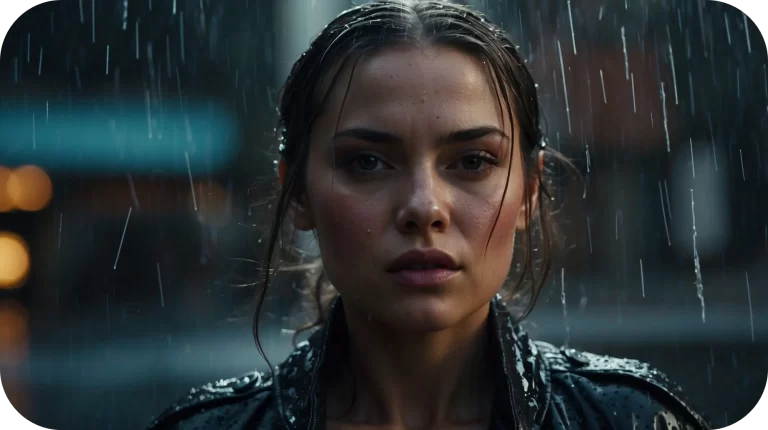
The world of creativity is evolving at an unprecedented pace, thanks to artificial intelligence. Once considered a tool for data analysis and automation, AI has now entered the realm of art, design, and visual storytelling. It’s no longer limited to assisting professionals; it has become a collaborator that empowers anyone to produce stunning digital content. Two innovations leading this revolution are AI-driven art platforms and specialized models like wan ai, which together redefine how we approach digital creativity.
This article explores the transformative potential of AI in art, the applications of cutting-edge platforms, and why tools such as the ai art generator are reshaping industries and personal creativity alike.
AI in the World of Art
For centuries, creating art required a combination of skill, training, and imagination. The advent of digital tools—such as graphic tablets, illustration software, and 3D modeling programs—expanded the possibilities for artists. Today, AI has taken this evolution further by offering an entirely new dimension of creative assistance.
AI art platforms leverage machine learning to analyze vast datasets of images, styles, and concepts. By interpreting text prompts, uploaded images, or specific style guidelines, these systems can generate artwork that ranges from hyper-realistic portraits to abstract, imaginative landscapes.
The beauty of AI art is that it democratizes creativity. Individuals who may lack formal art training can now create high-quality, professional visuals with minimal effort. This accessibility has made AI an essential tool for artists, marketers, educators, and content creators alike.
How AI Art Generators Work
An ai art generator is a platform that transforms ideas into digital art almost instantly. Users provide prompts describing what they want to create—such as “a neon-lit futuristic cityscape” or “a serene watercolor forest scene”—and the AI produces a unique visual based on those instructions.
Key Benefits of AI Art Generators
Speed – AI can produce complex visuals in seconds, reducing project timelines significantly.
Accessibility – Anyone can create professional-level artwork without prior design experience.
Flexibility – Platforms often allow adjustments in style, color, and mood to match specific requirements.
Cost-Effectiveness – Reduces the need for expensive designers or illustrators.
Idea Exploration – Users can experiment with multiple variations, sparking new creative directions.
Businesses, content creators, and educators are increasingly adopting AI art generators to produce engaging visuals for marketing campaigns, online courses, social media content, and more.
Introducing Wan AI: Advanced Creative Capabilities
While AI art generators provide accessible tools for creating visuals, specialized models such as wan ai take creativity to the next level. Wan AI is designed to produce high-quality, highly detailed, and stylistically consistent artwork that meets professional standards.
Key features of Wan AI include:
Enhanced Detail – Generates visuals with intricate textures, realistic lighting, and fine details.
Complex Interpretation – Understands nuanced prompts and produces accurate results.
Style Adaptability – Can mimic multiple artistic styles, from photorealism to abstract art.
Professional Applications – Ideal for advertising, gaming, animation, and other industries requiring polished visuals.
Wan AI is particularly useful for creators who want to maintain control over the final output while leveraging the speed and efficiency of AI technology. It enables rapid prototyping and iteration without sacrificing quality, saving both time and resources.
Real-World Applications of AI-Driven Creativity
AI art generators and models like Wan AI are being applied across multiple sectors:
Marketing & Advertising – Companies can quickly create campaign visuals, branded content, and social media graphics that capture attention.
Entertainment & Gaming – Developers and filmmakers use AI for concept art, character design, and environment visualization.
Education – Teachers can produce illustrative content to enhance lessons and make learning more engaging.
Social Media & Content Creation – Influencers and creators generate unique visuals that stand out in crowded digital spaces.
E-Commerce – Businesses can showcase products in visually striking ways without extensive photoshoots.
By integrating AI into creative workflows, professionals can achieve faster results and maintain high-quality standards without overburdening their teams.
Balancing AI and Human Creativity
A common misconception is that AI replaces human creativity. In reality, AI serves as a collaborative partner. It handles repetitive or technically challenging tasks, freeing human creators to focus on vision, storytelling, and conceptual depth.
Artists and designers often combine AI-generated outputs with their own expertise, refining and personalizing the results. This collaboration results in artwork that is both technically impressive and emotionally resonant—a combination that neither AI nor humans could achieve alone.
Ethical Considerations
The rise of AI in art also brings ethical questions. Who owns AI-generated content? How do we ensure originality and avoid intellectual property violations? Transparency and responsible use are crucial. Users should acknowledge AI’s role in the creative process while ensuring that human creativity remains central.
The Future of AI in Creativity
The potential of AI in art is still growing. Future developments may include AI capable of producing immersive multimedia experiences, integrating visuals with sound, motion, and interactivity. Tools like AI art generators and advanced models like Wan AI suggest a future where imagination is only limited by the ideas we dare to explore.
As AI technology evolves, those who embrace it will gain a competitive advantage, whether in personal creative projects or large-scale professional applications. AI is no longer just a tool—it is an enabler of new forms of expression.
Conclusion
AI is transforming how we create and consume visual content. The ai art generator makes creativity accessible to all, while wan ai provides advanced capabilities for professionals seeking high-quality, detailed outputs. Together, they empower artists, marketers, educators, and content creators to bring ideas to life faster and more efficiently than ever before.

Post Your Ad Here
Comments