How Can Regular Trimming Improve the Lifespan of Mature Trees?
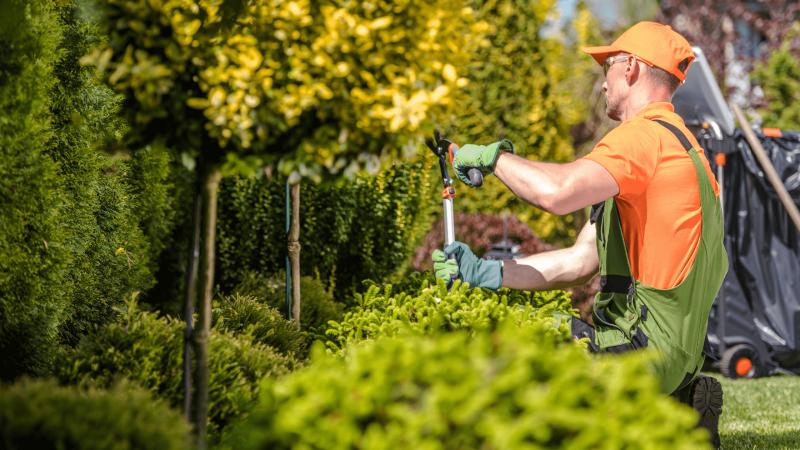
Mature trees are treasured elements of any landscape, offering beauty, shade, and a sense of history that newer plantings cannot replicate. However, even the most robust and well-established trees are not immune to decline when neglected. Without routine care, their health can deteriorate, leading to disease, structural weakness, and potential hazards. One of the most reliable and effective ways to extend the lifespan of mature trees is through consistent trimming. Proper trimming goes beyond appearance—it strengthens the tree’s framework, prevents decay, and ensures long-term vitality. By looking for Tree Trimming Services near me, homeowners can connect with professionals who understand the delicate balance between maintaining tree health and preserving natural beauty. When trimming is performed strategically, it helps mature trees withstand storms, grow healthier branches, and remain safe features of the property. This article explores how regular trimming supports strength, health, and longevity, ensuring mature trees remain valuable for decades to come.
Understanding the Needs of Mature Trees
Mature trees grow at a slower pace than younger ones, but their structural and health needs are far more complex. Young trees adapt easily to shaping and can recover quickly from cuts, while older trees require more calculated trimming to avoid unnecessary stress. The branches of mature trees are thicker, heavier, and more deeply integrated into the tree’s stability. Any careless pruning can lead to lasting wounds, making it crucial to handle them with expertise. Another unique need of mature trees lies in their vulnerability to diseases. Unlike saplings, older trees may already have areas of weakness or hidden infections that trimming can either help manage—or worsen if performed incorrectly. Professional arborists are trained to assess these conditions and determine the best trimming techniques to preserve health without harming the tree. Ultimately, mature trees demand a balance of precision and patience, where each cut is made with the goal of promoting strength, improving airflow, and preventing long-term decline.
Removing Dead or Diseased Limbs
Dead and diseased limbs pose one of the greatest threats to the longevity of mature trees. These weakened branches not only compromise the tree’s strength but also create entry points for insects, fungi, and bacterial infections. Left unaddressed, these problems can spread internally and shorten the tree’s life. By regularly trimming away these hazardous limbs, arborists protect the tree from potential infestations and decay. Storms further highlight the importance of this step. Mature trees often carry large, heavy limbs that can snap during high winds or heavy rains. When these branches fall, they not only damage the tree itself but also pose risks to nearby property and people. Removing compromised limbs before they break eliminates the danger, allowing the tree to maintain a stronger, healthier structure. Routine trimming is not simply cosmetic—it is preventive maintenance that safeguards both the tree and its environment.
Improving Sunlight and Air Circulation
- Dense canopies limit the penetration of sunlight to the inner and lower branches of mature trees.
- Without adequate light, these shaded areas weaken over time, leaving them prone to breakage and disease.
- Strategic trimming opens up the canopy, allowing sunlight to nourish all levels of the trees
- Improved airflow reduces trapped moisture, lowering the risk of fungal infections and bacterial growth.
- Healthier circulation and balanced light distribution ensure the entire tree thrives, not just its outer edges.
Reducing Structural Stress
The immense weight carried by mature branches can strain a tree’s structure, especially when limbs grow unevenly. Overextended or unbalanced branches increase the likelihood of cracks and splits in the trunk, which can be difficult or impossible to repair. Trimming plays a vital role in redistributing this weight by removing or shortening problematic limbs. This proactive care helps the tree maintain balance, prevents the development of weak attachment points, and strengthens its resilience against storms. When trees experience less stress, they can direct more energy into healthy growth and recovery. By relieving unnecessary weight, trimming not only extends the lifespan of mature trees but also enhances their ability to remain stable in unpredictable weather conditions.
Preventing Safety Hazards Around Homes
Mature trees often grow close to homes, driveways, or power lines, creating potential safety hazards. Overhanging limbs can scrape roofs, damage siding, or fall during storms, resulting in costly repairs. Branches near walkways or driveways also increase the risk of accidents for residents and visitors. Trimming reduces these dangers by removing limbs that could cause property damage or personal injury. Addressing safety concerns early extends the life of the tree itself. Emergency removals caused by neglect often result in significant cuts that compromise a tree’s stability and shorten its lifespan. In contrast, routine trimming allows arborists to remove hazards gradually and strategically, keeping both the tree and the surrounding property safe. A tree that is maintained regularly is far less likely to become a liability and more likely to remain a valuable feature of the landscape.
Encouraging Healthy Regrowth
- Trimming encourages the development of stronger, well-placed branches by redirecting energy away from weak or overcrowded areas.
- Removing poorly positioned limbs reduces competition for nutrients, allowing healthier branches to flourish.
- Regular, strategic cuts help preserve the tree’s natural form and prevent it from becoming overgrown or misshapen.
- By guiding growth, trimming supports the tree’s ability to sustain itself for decades without unnecessary strain.
Supporting Long-Term Landscape Value
Healthy, well-maintained mature trees are among the most valuable assets in any landscape. They provide natural shade that reduces cooling costs, offer habitats for wildlife, and improve air quality by filtering pollutants. From a property perspective, a yard lined with healthy mature trees significantly increases curb appeal and overall value. Neglected trees, on the other hand, quickly become liabilities. They can lower property value due to poor appearance, structural risks, or visible disease. Consistent trimming ensures that mature trees remain assets rather than burdens. A well-maintained tree adds not only financial worth but also a sense of beauty and stability that no artificial structure can replace.
Conclusion:
Mature trees are living monuments that add history, comfort, and beauty to their surroundings, but they require regular care to thrive. Trimming prevents the spread of disease, reduces safety risks, and strengthens the tree’s overall structure. Beyond protecting the tree itself, regular maintenance ensures that it continues to enrich the landscape for future generations. Homeowners should view mature trees as irreplaceable assets worthy of preservation. Scheduling professional trimming is not just a routine task—it is a long-term investment in safety, property value, and environmental health. By prioritizing consistent care, property owners can ensure their legacy trees stand tall, strong, and vibrant for decades to come.
FAQs
How often should mature trees be trimmed?
Most mature trees need trimming every 3–5 years, though the frequency depends on the species, health, and growth rate.
Can trimming too much harm a mature tree?
Yes, excessive or improper trimming can stress the tree, making it vulnerable to disease. Professional arborists know how to balance safety with preservation.
Why is trimming important for older trees?
It removes dead limbs, improves airflow, reduces structural stress, and helps maintain the tree’s strength and beauty.
What are signs that a mature tree needs trimming?
Indicators include dead branches, overhanging limbs near structures, crowded canopies, or branches growing unevenly.

Post Your Ad Here
Comments