How Does Airport Hangar Development Shape Modern Aviation?
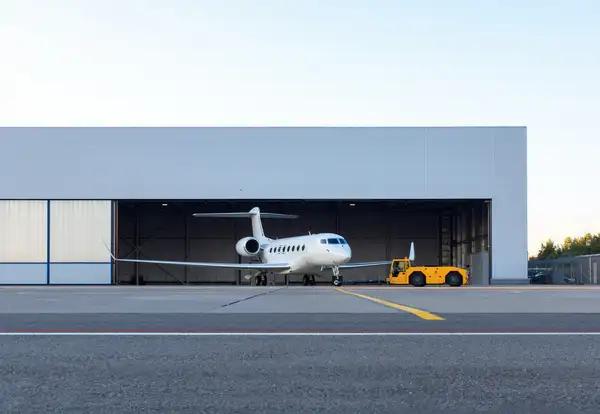
A storm is on the way, strong winds blow, and it is raining hard. Out on the tarmac, you can see jets lined up - some tucked away inside the huge hangars of the airport, others sitting outside waiting for the weather to clear. Which ones do you think owners feel more relaxed about? That’s the whole point of Airport Hangar Development—it’s about protection, planning, and keeping aviation running smoothly.
Why Airport Hangar Development Really Matters
You know how frustrating it is when something valuable sits outside too long? A car left uncovered through the winter ends up rusting. Now imagine that car being an aircraft worth millions. Without proper Airport Hangar Development, that’s exactly what you’d be risking—sun beating down on fuselages, salty air eating away at metal, or snow piling up on wings.
And it’s not just about the weather. Security is another reason hangars matter. You can’t exactly park a plane in a random lot and hope for the best. From theft to vandalism, risks are a real concern. Hangars give you the peace of mind that everything’s safe, out of sight, and under watch.
Funny thing is, people often think hangars are just storage boxes. In reality, they’re much more. They’re hubs for maintenance teams, workshops for mechanics, and even business assets for airports. A well-planned hangar project can bring in new operators, private flyers, and cargo carriers, making the airport a stronger player in aviation.
The Real Benefits That Stand Out
Let’s be honest—you wouldn’t invest in something unless it pays off in a big way. That’s where Airport Hangar Development proves itself.
First off, efficiency. Planes in hangars get serviced quickly. Crews don’t waste time dealing with frozen bolts or sunburned equipment. You get faster turnarounds, less downtime, and happier passengers.
Then there’s longevity. Whenever an aircraft spends time deferred, it translates into less maintenance and therefore, a longer life cycle. Factor in the cost of repainting, replacing components, or grounding aircraft on account of weather conditions. A hangar cuts that risk down.
And here’s the business side—airports with strong hangar facilities attract more people. Imagine being a pilot choosing between two airports. One has shiny, secure hangars; the other barely offers a tie-down spot in the corner. Easy choice, right? The airport with modern hangars becomes the go-to, bringing in revenue, jobs, and long-term partnerships.
What’s New in Hangar Development
Here’s where things get interesting. The world of Airport Hangar Development is shifting fast. You’re no longer looking at plain steel boxes. Developers are going greener, smarter, and more flexible.
Take energy use, for example. Solar panels on roofs, LED systems that reduce costs, and materials that last longer in tough conditions are becoming common practice. And airports that embrace those elements are not saving money; they're also signaling to the community that they are concerned about sustainability.
Customization is another trend. Not every airport needs the same setup. Some may need small, easy-access hangars for private jets. Others might focus on massive structures built to house commercial fleets or cargo planes. The beauty is, development today allows for tailored designs.
And technology—oh, that’s a big one. Automated doors that move in seconds, advanced fire systems ready for emergencies, and climate controls that keep everything running no matter what the weather’s doing outside. Ever seen ice forming on aircraft systems? Not fun. That’s why climate-controlled airport hangars are becoming the standard, not the luxury.
How to Think About Airport Hangar Development
Here’s the part where a lot of projects either succeed or fall flat—planning. It’s tempting to cut corners and get a hangar up quickly, but that usually costs more in the long run.
You need to think ahead. Will the airport expand in the next ten years? How many planes will call it home? Is there enough space for maintenance teams to actually work comfortably? These aren’t small questions. They decide whether the project supports growth or ends up as a headache.
There’s also the community factor. Airports don’t exist in isolation. Neighbors notice noise, traffic, and environmental impact. Smart Airport Hangar Development considers these things. When done thoughtfully, it’s not just about the pilots and the planes—it’s about building something that benefits the whole region.
Picture this: a small regional airport invests in modern hangars, attracting a couple of business jet operators. Suddenly, new jobs pop up—mechanics, service staff, catering teams. Local businesses start seeing more clients. It’s a ripple effect, all starting with hangars.
The Closing Thought: The Value of Building for the Future
When you look at the big picture, Airport Hangar Development is more than putting up walls. It’s about creating long-term stability for aviation. Every plane that’s sheltered is one less risk, one more guarantee of smooth operations.
Think back to that stormy night. The planes inside the hangars? Safe, secure, and ready to fly again in the morning. The ones outside? Not so lucky. That’s the real difference hangar development makes.
If you’re connected to aviation in any way, this is something you can’t ignore. The investment pays off in safety, efficiency, and growth. And in a field where reliability is everything, that makes all the difference.
Post Your Ad Here
Comments