Avoid DIY Mistakes: Hire Window Installation Professionals
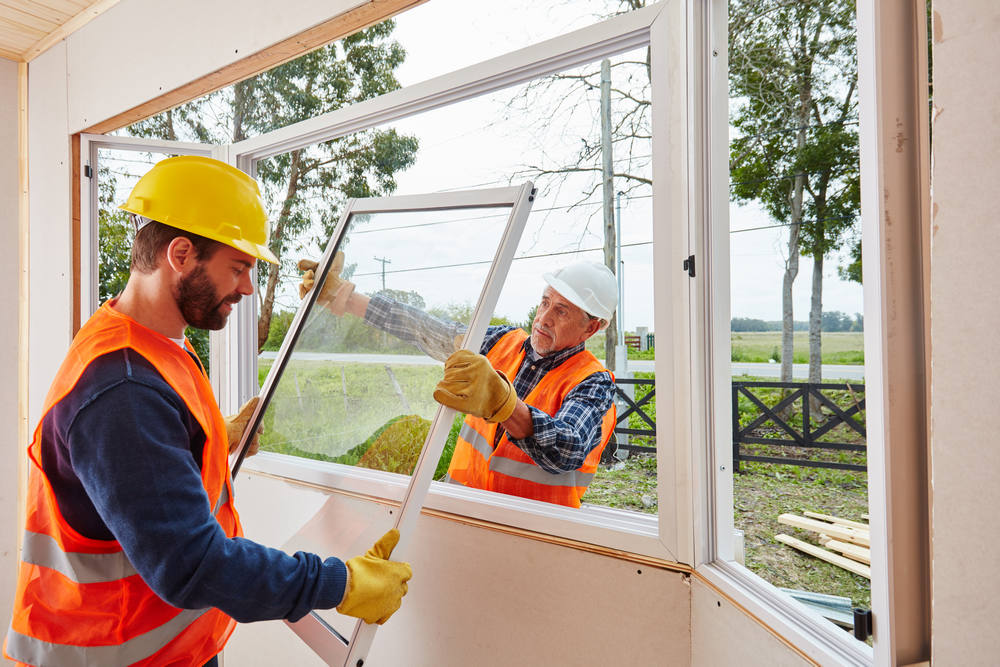
Surprisingly, properly installed windows can cut a home's heating bill by up to 25%—but that benefit vanishes fast when seals or frames are handled poorly.
https://www.youtube.com/watch?v=rOWbvvXRb2g
When homeowners compare DIY weekend projects to hiring professional window installation services, the choice often comes down to perceived savings. In Canada, the balance tips quickly: certified teams bring airtight seals, precise measurements, and safety compliance that a DIY approach rarely matches.
Professional window installers work with manufacturers and many hold approved-installer status. This partnership protects manufacturer warranties and keeps a residential window installation eligible for product guarantees. It also reduces the risk of drafts, leaks, and misalignment that lead to costly repairs.
Beyond warranty protection, a quality window replacement service speeds the job, follows building codes, and improves long-term energy performance. For Canadian homeowners deciding whether to hire window installers Canada-wide, the value is clear: fewer callbacks, better resale value, and measurable energy-bill reductions when installations are done right.
Why DIY Window Installation Seems Tempting — And Why It Often Fails
Many homeowners want to save money and feel in control by doing window projects themselves. A weekend project seems easy in a tutorial. The cost of DIY windows seems lower than hiring a crew, and doing the work on one’s own home appeals to pride and flexibility.
Reality quickly differs from short videos. What starts as a quick job can turn into many trips to the hardware store. Extra material purchases and missed deadlines add up. These hidden costs window replacement add up. The initial price of parts and a few hours of labor rarely reflects the full financial picture.
Perceived savings vs. hidden costs
The sticker price for windows is only part of the equation. Rent for specialized equipment, replacement fasteners, and extra sealants inflate the cost of DIY windows. Measurement errors force reorders. Repair bills and, in some cases, a full reinstallation erase the expected savings.
What tutorial videos don’t show: hidden structural issues
Tutorial video limitations become clear when old frames are removed and unseen damage appears. Rot, warped framing, or compromised flashing require carpentry work that most homeowners did not plan for. Failure to address these structural issues windows Canada can cause leaks and long-term problems.
Common DIY pitfalls seen in Canadian homes
Installers often report improper shimming, over-caulking, and incorrect fastener placement in DIY jobs. Those mistakes can void manufacturer warranties or lead to sealing failures that reduce energy efficiency. Local codes such as the Ontario Building Code set standards that many DIYers miss, turning a simple upgrade into a bigger repair task.
Issue | Typical DIY Outcome | Professional Outcome |
Measurement errors | Order wrong size; wait for replacements; added labor | Accurate templating; single installation pass |
Hidden rot or framing problems | Unseen until removal; scope and cost increase | Pre-install assessment; immediate structural repair |
Sealing and flashing | Incomplete seals; drafts and water ingress | Manufacturer-approved flashing; tested weatherproofing |
Time to completion | Weekend turns into 7–10 days with interruptions | Full-home installs often finished in 1–2 days |
Warranty and compliance | Risk of voided warranty; code non-compliance | Certified installation preserves warranties; code adherence |
Misalignment, Sealing Failures, and Structural Risks
Small mistakes during installation can lead to big problems later. Even a tiny window misalignment can cause issues. It might make the sash bind, wear out the hardware, and stress the frame.
This stress can show up as cracked drywall or warped siding. In some cases, it might even require a full reinstallation to fix.
Installers who check for level and plumb can avoid these problems. Keeping the window properly fitted helps maintain the building's envelope. This reduces the risk of warping.
Skilled teams use shims and repeated measurements. They do this to prevent future operational failures.
How small misalignments lead to operational and structural problems
When a window is not square, seals don't work right. This puts extra stress on the hardware. As a result, the window operates harder, wears out faster, and lets in drafts.
Over time, this stress can cause cracks in finishes and weaken fasteners. This holds the frame to studs.
Consequences of improper sealing: drafts, molds, and rot
Sealing failures let air and moisture into the wall assembly. Water then follows, causing mold and rot in the framing and finishes. If not fixed, these problems can increase repair costs and harm indoor air quality.
Real-world statistics on heat loss from improperly sealed windows (Natural Resources Canada)
Natural Resources Canada's research shows that poorly sealed windows waste a lot of energy. Heat loss statistics in Canada show up to 25% of a home's heat can escape through bad seals. This raises heating bills and strains HVAC systems in cold months.
Professional installers use the right flashing, sealants, and water management details. They do quality checks to keep the window airtight and durable. This prevents mold and rot in the structure.
Warranty, Insurance, and Legal Consequences of DIY Work
Deciding how to replace windows is more than just about looks. It also impacts protection for materials, workmanship, and legal standing. Homeowners need to consider manufacturer warranties, installer guarantees, and local building codes before starting any project.
Manufacturer warranty vs. installation warranty explained
There are two main warranties for window projects. The manufacturer warranty covers defects in materials like glass and hardware. The installation warranty, on the other hand, covers workmanship issues such as leaks and poor sealing.
Brands like Andersen and Pella require certified installers to keep warranties valid. A licensed installer warranty adds extra protection. It ensures that any fitting or sealing problems will be fixed.
How DIY or unlicensed installs can void coverage
Many homeowners unknowingly void their warranties by not following small rules. Using the wrong fasteners or skipping shimming can lead to warranty denial. Manufacturer guidelines often list approved methods and tools.
DIY projects lack the documentation needed to make claims. Without proof of certified installation, claims for materials or labor may be denied. Choosing a licensed installer warranty helps avoid this risk and keeps full coverage.
Local building codes and legal fines in Canada
Following Canadian building codes for windows is essential. The Ontario Building Code has specific rules for energy efficiency, ventilation, and structural attachment. Noncompliance can result in costly rework, fines, or orders to redo installations.
Professional teams document compliance and keep records that benefit future homeowners and appraisers. Installer insurance covers accidental damage and liability during work, a protection DIY projects often lack.
Area | DIY Risk | Licensed Installer Benefit |
Material defects | Claims may be denied if installation requirements were not met | Manufacturer warranty honored when certified installation is provided |
Workmanship | No formal installation warranty; homeowner pays for fixes | Installation warranty covers leaks, poor sealing, and alignment issues |
Liability and damage | Homeowner assumes full liability and repair costs | Installer insurance covers on-site damage and worker incidents |
Code compliance | Risk of violating Canadian building codes windows and local bylaws | Installer documents compliance with Ontario Building Code windows and energy rules |
Resale and appraisal | Missing documentation can lower value or raise questions | Records and warranties support appraisals and buyer confidence |
Safety Concerns: Heavy Lifting, Heights, and Proper Equipment
Window replacement work comes with physical risks and environmental hazards. Modern multi-pane units can weigh 60–100 pounds. Lifting them without the right technique can lead to strains, crushed fingers, or dropped panes that shatter. Proper planning helps avoid injuries and damage.
Professionals use team lifts, mechanical hoists, and secure bracing to move large units. They ensure a clear path, stage-managed handoffs, and steady footing. This approach improves efficiency and reduces the risk of musculoskeletal injury during lifting.
Working on scaffolds, ladders, or rooflines increases fall risk. Trained installers wear an installer safety harness and follow anchor-point protocols when working above ground. This gear, along with helmets, gloves, and eye protection, supports safe access to high openings.
Older Canadian homes can have lead paint hazards during removal. Certified crews use lead-safe window replacement methods. They use containment, HEPA vacuums, and regulated disposal to limit exposure. These steps protect occupants and workers from contamination during demolition and removal.
Licenced teams bring tested procedures for emergency response and jobsite safety audits. Homeowners benefit from insured installers Canada. This means liability and WSIB coverage shift responsibility off the homeowner if a worker is injured or a mishap causes property damage. This financial protection is important when incidents occur.
Contractors from recognized firms like Pella or Andersen often document their safety programs and insurance proofs before work starts. Asking for written confirmation of training, harness use, and lead-safe certification helps homeowners verify that crews follow accepted practices for window installation safety.
Time, Cost Savings, and Long-Term Energy Efficiency
Knowing the project scope helps homeowners choose wisely. DIY projects can take weeks, while pros finish in days. This means less disruption to your life.
Typical project timelines: DIY vs. professional turnaround
DIY projects usually take 7–10 days. This includes planning and measuring for 1–2 days, removing old windows for 1 day, and installing for 3–5 days. The final steps of sealing and testing take 1–2 days.
Professionals can replace all windows in 1–2 days. They work efficiently, using a well-planned approach and quality materials.
Hidden DIY costs: tools, repeated trips, and repair bills
When comparing DIY to professional costs, don't forget about tools. Renting or buying saws, scaffolding, and sealants can be expensive.
DIY projects often lead to extra trips to the store and more materials. This can cause water damage and higher repair costs, making DIY less cost-effective.
Energy savings from correct installation and sample percentages
Proper installation is key for energy efficiency. It prevents drafts and reduces heating and cooling needs.
Installing windows correctly can save 10–25% on energy costs each year. This depends on insulation and the home's condition. Professionals ensure these savings by providing consistent, tested results.
Here's a quick comparison of DIY and professional options for time, costs, and energy savings.
Aspect | DIY (Typical) | Professional |
Project duration | 7–10 days; weekends stretched over 2 weeks | 1–2 days for full-home install |
Upfront cash outlay | Lower material cost; extra for tools and rentals | Higher installation fee; tools included |
Hidden costs | Tool purchase/rental, returns to store, wasted materials, repair bills | Transparent estimate; fewer surprise expenses |
Risk of performance loss | Higher; improper sealing causes drafts and water damage | Lower; certified methods for flashing and insulation |
Estimated energy savings | Possible but inconsistent without proper sealing | 10–25% annual savings when combined with quality windows |
Disruption to household | Prolonged noise and access issues over several days | Minimized; quick, scheduled work with cleanup |
How to Choose the Right Installer for Canadian Homes
Finding a reliable team is key for good performance and peace of mind. Homeowners should look for licensed pros with experience in local climates. They should also have factory training and positive customer feedback.
Key credentials and certifications to look for
● Check if the installer has certifications from manufacturers and trade groups. Certified teams follow standard procedures that keep warranties intact.
● Find out if the crew is an Energy Star installer or has a Window Wise certification. These show they focus on energy and have high standards.
● Make sure the installer has WSIB insurance and check the liability limits. This means the installer takes on the risk, not you.
Questions to ask about warranties, partnerships, and insurance
● Ask if the installer offers a written warranty and explains how to make claims.
● Check if they are approved by brands like Andersen or Pella. They should also tell you where they get materials and hardware.
● Ask for WSIB insurance documents and a general liability insurance certificate before starting work.
Evaluating quotes: what belongs in a transparent estimate
● Ask for a detailed written estimate that lists materials, labour, and removal costs. It should also include flashing and sealant types, and who handles permits.
● Look for a timeline, quality-control steps, and clear extra-charge rules. Low prices without these details might mean low quality.
● Choose local firms that know provincial codes. They can handle climate-specific needs and pass municipal inspections.
When comparing bids, don't just look at price. Consider certifications and insurance too. A certified, insured installer ensures your windows work well for years and keeps you safe.
window installation: Professional Best Practices and Post-Installation Care
A good plan is key to a lasting installation. Experts follow strict guidelines to protect your home and surroundings. They use dust barriers, cover floors, and mark safe areas for a clean job.
Post Your Ad Here
Comments