
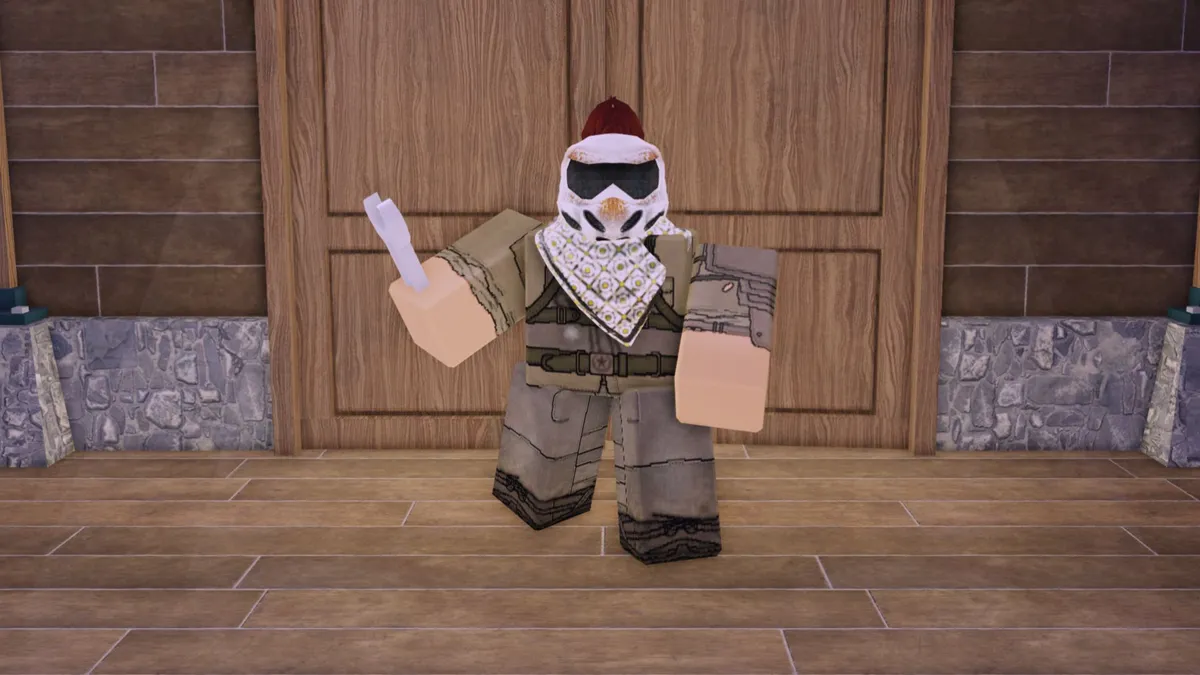
All the fancy tools showcased in the lobby make spending your Diamonds on a new 99 Nights in the Forest class awfully tempting, but I cannot stress enough how viable some of its two or three star classes are.
I made almost all of my progress through the toughest achievements as a Scavenger and it only cost me 25 Diamonds. Starting with the extra sack space is advantageous enough, and I opted to keep upgrading the class with my spare Diamonds instead of buying anything new. Just focus on learning the game, then revisit adding more classes to the mix.
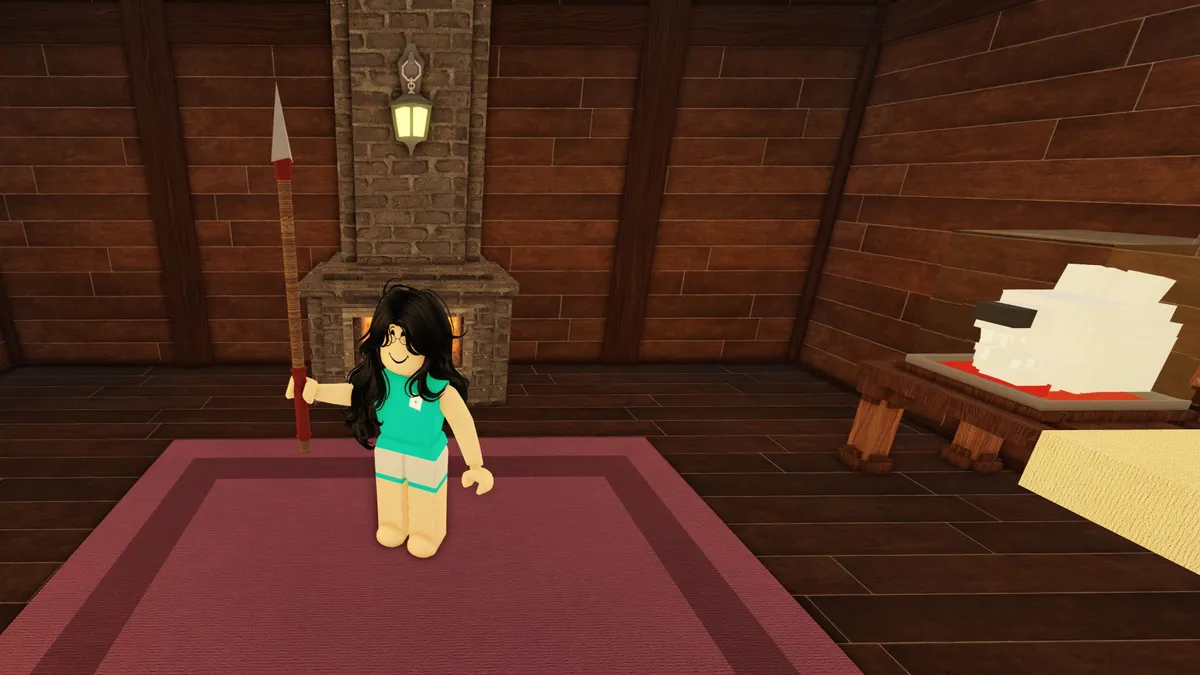
Feed the fire, then look for buildings
As soon as you load in, the countdown to night starts ticking. That's when The Deer and other nasty entities come creeping out of the woodwork, so cut down a tree or two, feed your fire, then scope out nearby buildings ASAP.
Inside most structures, you'll find valuable items and common chests. I try to prioritize grabbing things that make for good fuel like wooden chairs, coal, and gasoline while always opening chests. I found opening as many chests as possible before talking to the Pelt Trader scored me extra upgrades the NPC offers, so I was able to save some resources early on.
Prepare for the Pelt Trader by getting a Rabbit's Foot
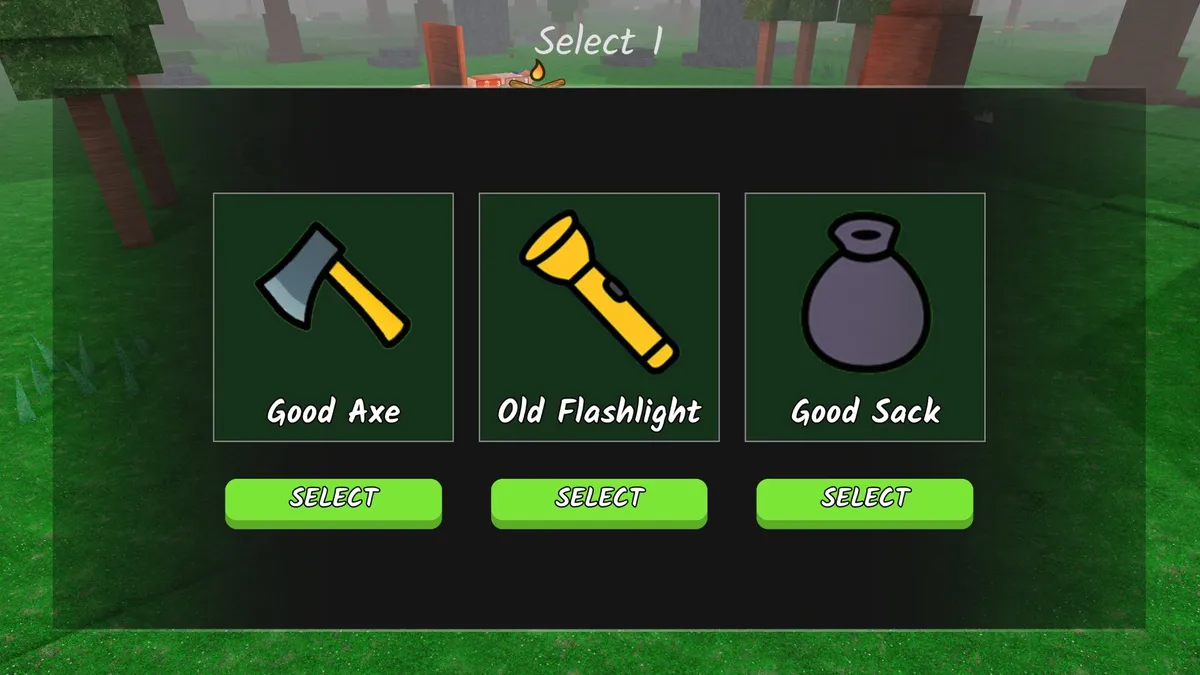
The Pelt Trader arrives for the first time on day two and asks for a Rabbit's Foot, then he'll randomly visit every few days after with the same request until it's complete. While I run around looking for buildings, I kill any unlucky bunnies that cross my path and usually get a Rabbit's Foot within a few kills. You can trade to upgrade to the Good Axe, Good Sack, or Old Flashlight.
I never take the flashlight (they're easy to find), and typically make my first 99 Nights in the Forest upgrade the Good Axe. It makes chopping trees much faster, and if you haven't found a spear or rifle yet then the axe is a good backup weapon.
Build a Map, Old Bed, and upgrade your Crafting Bench
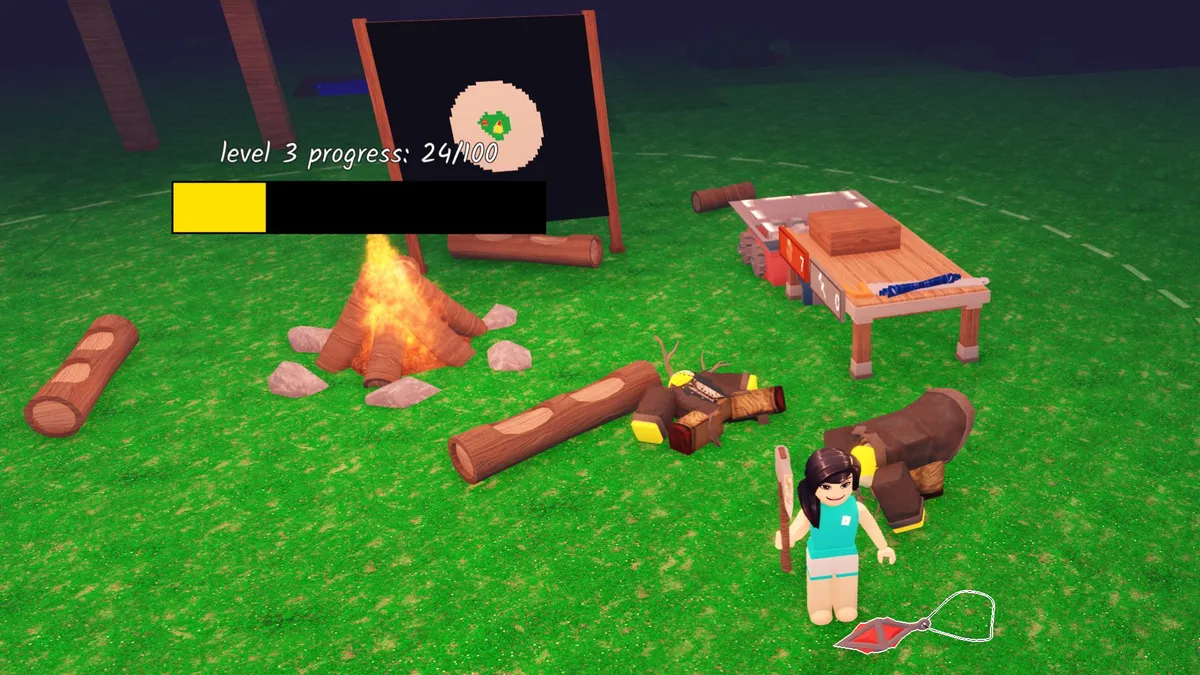
It only takes three pieces of wood to craft the Map, and makes it accessible from anywhere beyond camp by simply pressing M. It makes finding the Dino Kid within your first few days a breeze, and I often save fuel during daylight hours by using the map to find my way back to camp. There's no need to waste all of those resources using your campfire as a beacon!
The Old Bed gives you a multiplier, adding +1 to the day counter and speeding the game's pacing along. After building both of those, I ignore the Bunny Trap and go straight to upgrading my Crafting Bench to tier 2 for far more useful upgrades.
Replant saplings and place them strategically for defense
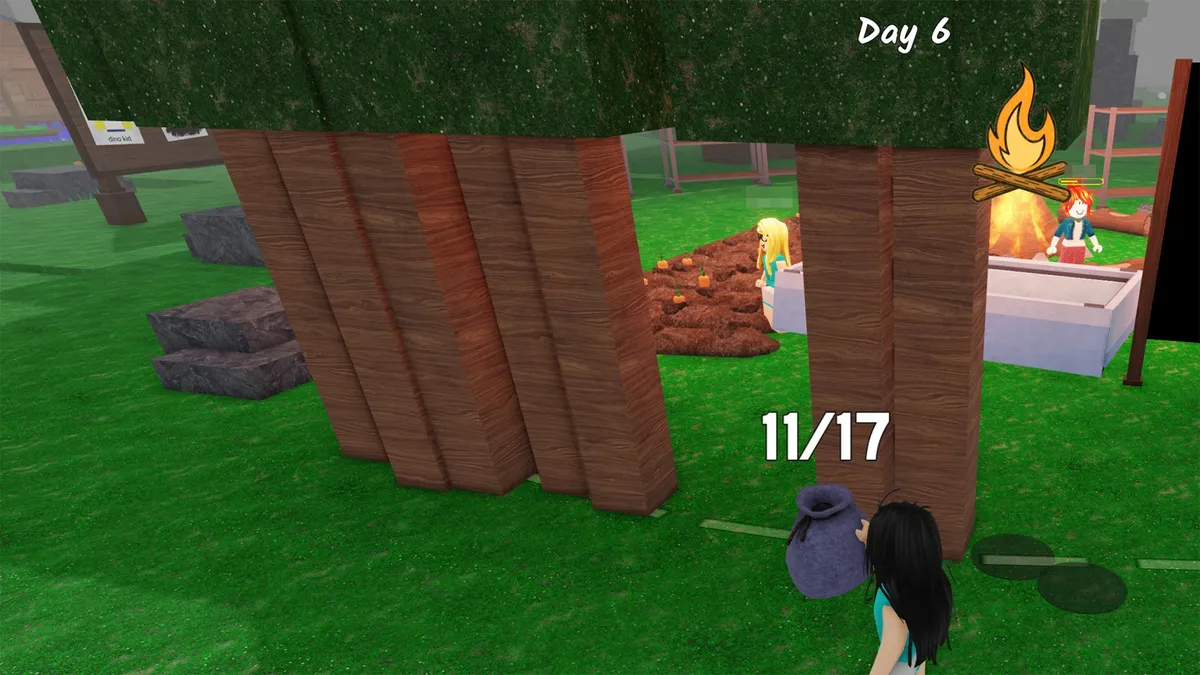
The biggest mistake I see playing 99 Nights in the Forest always starts early on, then snowballs out of control in the late game. No one ever seems to replant trees after chopping them down, and it only takes a few weeks of that to turn the forest into a barren wasteland.
It drives me nuts every time! Mostly because you need as much wood as you can get for building (stop burning all of it), but also if you're smart about it then replanting trees also serves as makeshift base defense. Just plant them in a tightly packed circle around the campfire's perimeter and you have a free shield from invading Cultists.
The Deer is terrifying, but the owl is worse
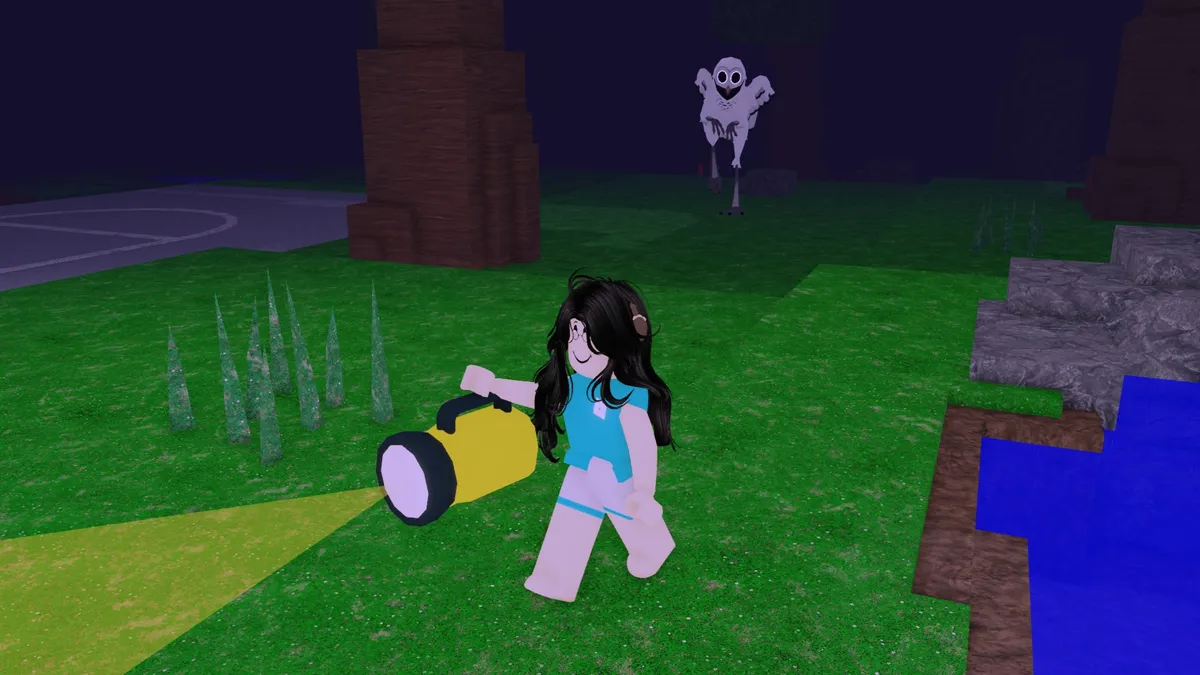
I know The Deer makes all of those awful noises, but have you ever had The Owl swoop down on you while chopping trees? The flying monstrosity seems to show up after the fifth night and, like The Deer, it hits you with a jumpscare when caught. If you don't have a flashlight, stay at camp when it's lurking around at night.
You can't kill the 99 Nights in the Forest owl, so don't waste the ammo or time trying. Shining a flashlight on the big bird at least stuns it, but be careful how close you stand turning to aim. The entity gets faster as it chases you—it's impossible to outrun for very long.
Comments