Stop Rats From Moving Into Your Home
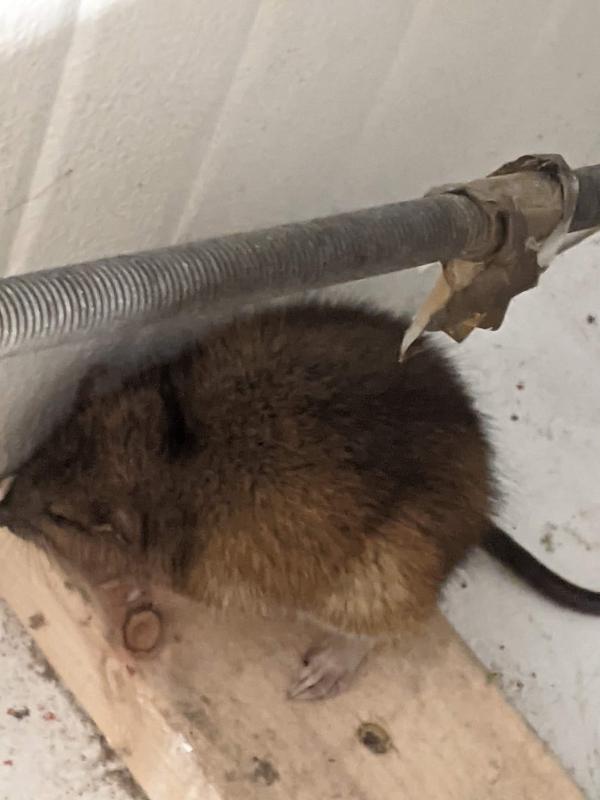
Rats do not hibernate so can become a pest at any time of
the year. During the colder months, rats tend to be more active as they
stockpile food and hunt for warm, dry places to nest. Incredibly adaptable,
rats have learned that living alongside humans is beneficial, especially during
winter when they seek shelter in our cosy buildings and use our food waste as a
never-ending supply of food.
Our homes provide rats with warmth, nesting supplies and a
food source, often leading to a spike in rat infestations as the weather turns colder. Rats can seek shelter almost anywhere from homes to commercial
premises, sheds to office buildings. Not only do rats carry diseases that can
spread to humans and contaminate our food, but their constant gnawing can cause
significant damage to our homes especially pipes, wires and wooden furniture.
Key signs that rats may be moving in to your home

If you notice any of the following signs of rat activity,
act fast and call a professional pest controller who can remove them before
they become an issue:
- Gnawing
signs – a pile of wood shavings in your shed or marks in insulation or a
wooden door.
- Nesting
signs – rats like warm, hidden places such as attics, basements or the
cavity between walls to build a nest. Signs of nest building activity are
small piles of shredded paper, cardboard, insulation or fabric.
- Droppings
– a large number of small, dark pellets when they are fresh. They look
grey when dry and are often found near food sources.
- Urine
smell and stains – their urine is dark orange to brown and has a strong
unmistakable ammonia smell.
- Scratching
noises, particularly at night, often heard from lofts and wall cavities
Rat Prevention Tips for Homes
The pest controllers at Anglo Scottish Pest Control have
given their top preventive measures to keep rats from gaining entry and nesting
in your home:
- Bird
Feeders: Keep bird feeders well above ground level and clean up any
debris regularly, as this can attract rats.
- Keep
Gardens Clean: Maintain a tidy garden to eliminate potential nesting
sites.
- Store
Food Correctly: Store leftovers, bird food and pet food in airtight
containers above ground level.
- Seal
Cracks and Holes: Check for cracks and holes around your property,
especially around pipes and vents. Consider calling a pest control
professional for rat-proofing.
- Bins:
Keep bins tightly sealed and stored as far away as possible from your
property.
- Compost:
Avoid putting food in compost heaps and store them above ground level if
possible. Keep your compost heap as far away from your home and outhouses
as possible.
Natural Rat Repellents
For gardeners, knowing how to get rid of rats without poison
is essential. As rats seek gardens for food and hiding spots, there are some
plants which can be grown which will repel rats.
- Garlic:
The smell can make rats uncomfortable, encouraging them to go elsewhere.
- Mint:
Rats dislike the smell of mint. Growing mint around your garden's borders
can discourage them.
- Herbs:
Strong-smelling herbs like sage and bay leaves can deter rats and other
pests. They also repel mosquitoes.
- Flowers:
They also hate the smell of some flowers like marigolds and lavender.
Making your garden unattractive to rats is crucial, and the
methods mentioned above can help.
Consistent and timely use of these methods is essential for success. If you find you have a rat issue, it is usually best to call in professional pest controllers who can deal with the problem quickly and effectively.
Nobody wants to find rats in their home! Get in touch with pest control Edinburgh for help with rat removal in Edinburgh or the surrounding areas.
Post Your Ad Here
Comments