A Healthy Eating Plan for Busy American Adults to Maintain Holistic Wellness
Be responsible for ensuring a lasting healthy life – make nutritious food choices and adopt healthy lifestyle habits. Follow a balanced diet pattern that functions as your foundation for energy, preventing diseases, and assuring wellness.
The fast-paced modern American life of today deserves a stronger bond between food choices and overall well-being. A healthy lifestyle extends much further than just counting calories; it builds the foundation to improve energy level, prevent disease, and maintain a proper long-term balance. Combining effective habits with a structured, healthy lifestyle plan benefits American adults in achieving sustainable health goals. So, let us start exploring how nutrition and lifestyle work in tandem towards creating a roadmap for vitality, disease prevention, and long-lasting wellness.
How is a healthy diet and a modern American lifestyle connected?
Several Americans are struggling to balance their corporate responsibilities, family life, and personal health, as discovered by medical studies. However, a lifestyle connection exhibits how the eating patterns are directly shaping energy, productivity, and mental wellness.
Let us give an example – no matter how busy and engaged a professional is, if his diet is rich in whole foods like vegetables, fruits, and lean proteins, he is sure to benefit from mental clarity and stamina for the entire day. On the flip side, consuming processed foods will increase his fatigue and chronic disease risks.
Nevertheless, it is not so tough for Americans to master how to stay healthy. Just align your food choices with daily routines. Pack balanced snacks. Prioritize hydration. Schedule active breaks. Practice them to reduce stress and induce long-term lifestyle benefits.
What role does nutrition play in a holistic wellness plan?
Nutrition is the crucial pillar of an integrated wellness plan food strategy. Not just one element of health. The impact of right eating is multiplied when supported by physical activity, restful sleep, and stress management. As consistently shown by scientific studies, diets high in fiber, plant-based foods, and omega-3s help in reducing heart disease and diabetes risks.
Moreover, exercising regularly helps American adults build resilience, improving immunity, and naturally fight fatigue. Healthy living becomes more vibrant and enjoyable when variety is added to the healthy eating plan that helps in preventing nutrient deficiencies.
The threefold connection: Long-term health, disease prevention, and diet and lifestyle
U.S. citizens are suffering from chronic illness because of their sedentary patterns and consumption of processed food. It is made clear by the diet lifestyle connection that the present-day influences health outcomes decades later. The risks of obesity, prediabetes, and high cholesterol are reduced by cutting down on refined sugars and ultra-processed foods.
But choosing a healthy diet lifestyle, rich in whole grains, fresh produce, and lean proteins, helps in lowering inflammation and strengthening the body's defenses. These adjustments even add to weight control, a healthy heart, and extend longevity. If you are still wondering how to stay healthy, then the first step is to consistently nourish the body by eating whole foods.
USDA MyPlate guidelines are useful in a lifestyle framework
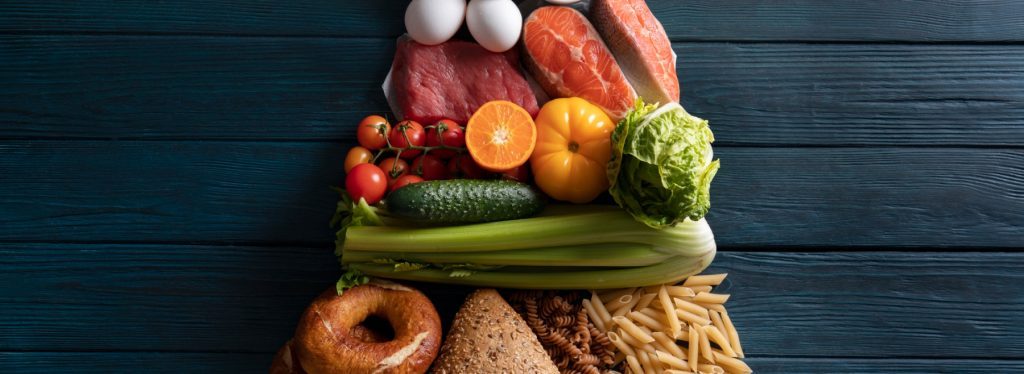
The USDA's MyPlate provides a simple yet powerful healthy lifestyle plan structure to Americans in need of practical guidance. It encourages half the plate filled with fruits and vegetables, one-quarter with lean proteins, and one-quarter with whole grains, and complemented by dairy or alternatives.
Converting this into daily life means more colorful meals are available, ready to consume. Moreover, it induces balanced nutrient intake along with reduced consumption of processed products. The more you combine USDA MyPlate's structure with tips for healthy living, which include preparing meals in advance, packing fruits to work – you are closer to making healthy eating achievable even during your busy schedules. This framework is deeply aligned with the idea of eating for health, other than for convenience alone.
Benefits of whole foods vs processed foods for health
Often, the tipping point towards achieving health goals is the choice between whole foods and processed foods. Indulging yourself in frequent intake of processed foods is strongly connected to obesity, cardiovascular disease, and diabetes. On the opposite side, eating whole foods, like beans, greens, and nuts, delivers vital nutrients, reduces toxin intake, and improves digestion. These are naturally lighter wellness plan food options that can be digested easily, as well as energy-boosting. When these whole foods are integrated into every healthy eating plan, then, along with nurturing the body, they even support long-term wellness and disease prevention.
How to start meal prepping and budget-friendly healthy living?
The most practical strategy to follow a healthy lifestyle plan is meal prepping. Purchasing seasonal produce, cooking in batches, and making freezer-friendly meals are all time and money-saving. For instance, prepare overnight oats, vegetable stir-fry packets, or grilled lean proteins to ensure you have convenient meals for busy days. Through this approach, your temptation for fast food will reduce, and you will focus on how to stay healthy regardless of your hectic schedules. Prioritize thoughtful planning, and you can develop a fulfilling, healthy lifestyle without having to spend a lot.
Meals and workouts for the weekly plan
Follow this sample framework:
Monday - Friday –
Eat balanced meals with lean proteins, whole grains, and fresh vegetables. Involve in short daily workouts such as brisk walking or 20 minutes of bodyweight training.
Weekend –
Emphasize family meal prep with the main focus on whole-food recipes. Spare a few hours in leisurely activities like biking, hiking, and yoga sessions that reinforce energy.
This plan is a clear illustration of the diet lifestyle connection that combines structure with flexibility. These routines develop into lifelong tips for healthy living over time.
Dietary approaches for specific concerns
Follow a personalized healthy eating plan because it supports condition-specific needs:
a. Prediabetes management
Keep your diet rich in low-glycemic foods like oats, leafy greens, and beans.
b. Cholesterol management
Incorporate plant-based meals and high-fiber foods in your diet, such as quinoa and lentils.
c. Fatigue and energy
Sustain focus by eating balanced meals with complex carbohydrates, lean proteins, and hydration.
d. Weight loss
Build metabolism with portion-controlled, nutrient-dense meals with moderate workouts.
Through these strategies, you can better highlight the nutrition and lifestyle connection. Reinforce the food choices and daily habits that help in promoting resilience and healing.
A few tips to integrate balance into a busy life
Work schedules will be demanding, but balance should not be the second choice – it is possible. Pack healthy snacks like trail mix, fruit, or yoghurt. Enjoy quick breakfasts – keep smoothies prepared at night. Post lunch, schedule short walks – it helps in increasing circulation.
Take small and consistent actions, and you can easily eat for health while sustaining long-term energy. Start pairing these adjustments with long-term tips for healthy living. This is how Americans can thrive in their careers and personal lives.
To wrap it up,
A healthy diet is the core of every effective healthy lifestyle plan. Starting with adopting USDA MyPlate strategies to emphasizing whole foods and planning meals, Americans could have substantial opportunities to reclaim control over their health outcomes. The diet lifestyle connection is vivid – food and daily choices shape your well-being for the future. Commit to a balanced, healthy eating plan, and you can build resilience against disease and gain energy, clarity, and longevity. Ultimately, nutrition and lifestyle go hand in hand in pursuit of health. Every effort you make to eat for health pushes you closer to long-term vitality.
Post Your Ad Here
Comments