The Art and Flavor of Thai Noodles: A Culinary Journey
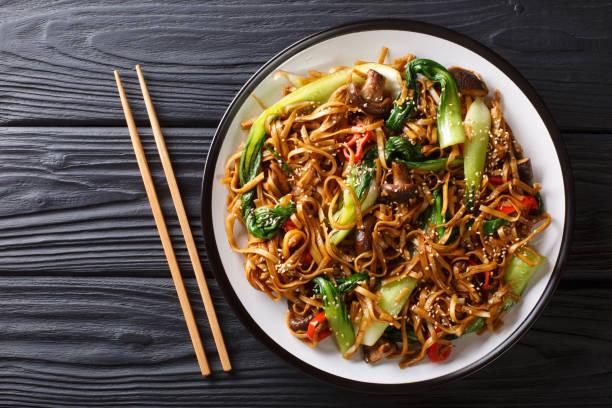
Discovering the rich tapestry of Southeast Asian cuisine means embracing dishes that dance on the palate and stir the soul, and none does this quite like the beloved Thai Noodles. From the bustling markets of Bangkok to home kitchens across the globe, these delicately prepared strands offer a symphony of taste: sweet, sour, salty, bitter, and spicy all in perfect harmony. Whether you’re a seasoned cook or a curious food lover, understanding what makes Thai Noodles so special will elevate your meals and introduce you to flavors you've only dreamed of.
What Makes Thai Noodles Unique
At the heart of Thai Noodles is balance. The interplay between fresh ingredients like lime juice, fish sauce, garlic, chilies, and palm sugar creates layers of flavor. Noodles serve as the canvas rice noodles, egg noodles, glass noodles may be used depending on the region or the chef’s preference and soak up sauces that range from creamy peanut to tangy tamarind. Herbs such as cilantro, Thai basil, or mint bring aromatic brightness while textures vary from crunchy peanuts to tender shrimp or chicken. The sauces often incorporate balance between acidity and sweetness, and spice levels are tailored to individual taste. Every bite of Thai Noodles delivers complexity without overwhelming any single note, creating an unforgettable experience.
How to Prepare Thai Noodles at Home
Begin by selecting your noodle type according to texture preferences; rice noodles must be soaked or briefly boiled, egg noodles often require a firmer boil to hold shape. Next mix the sauce components: lime or tamarind for tang, fish sauce for umami, sugar for sweetness, chilies for heat. Vegetables like bean sprouts, carrots, bell peppers add crunch; proteins like tofu, chicken, shrimp or beef complete the dish. Heat oil in a wok until shimmering, toss garlic and shallot, add protein then vegetables, nod noodles, pour in sauce then toss rapidly to coat everything. The final touch is fresh herbs and a squeeze of lime to brighten the overall dish.
Regional Variations and Influences of Thai Noodles
Though commonly associated with Thai street food, Thai Noodles reveal regional influences and variations. In central Thailand you’ll find the sweet and sour profiles of Pad Thai; in the northeast, flavors lean more robust and spicy, incorporating fermented fish or wild herbs. Southern versions might use coconut milk or curry pastes blending into noodle soups. In the northern highlands, smoky flavors and dried mushrooms can appear. Each region has its staple noodle shapes and preferred levels of heat. This diversity ensures that Thai Noodles always have something new to offer to those willing to explore.
Pairings, Serving Suggestions, and Presentation
A great meal of Thai Noodles deserves the right companions. Crisp fresh spring rolls, lightly pickled vegetables or green mango salad provide contrast. Beverages such as jasmine tea, cold beer or lightly sweetened iced tea help balance the intense flavors. Garnishes matter: crushed peanuts, extra chilies, lime wedges, fresh cilantro or green onions make a visual as well as flavor impact. Presentation is often casual served family style, tossed at the table but attention to plating elevates the experience: neat piles of noodles, color contrast between sauces and herbs, and serving vessels that retain heat.
FAQs
What is the difference between Thai Noodles and regular noodles?
Thai Noodles typically refer to Southeast Asian-style noodle dishes where sauce, spice, herbs, and balance play essential roles rather than simply boiling and serving. Regular noodles may lack the layered complexity, the freshness of herbs, or the interplay of sweet, salty, sour, spicy that defines Thai Noodles.
Can I use gluten‑free noodles for Thai Noodles?
Yes, rice noodles or other gluten‑free alternatives like shirataki or konjac noodles work very well. The key is ensuring that the sauces and additives you use are also free of gluten; check labels for soy sauce or fish sauce ingredients.
How spicy are Thai Noodles?
Spiciness varies greatly depending on region, cook, or diner preference. Some versions are mildly warm, others bring intense heat. You can control it by adjusting the amount of fresh chilies, chili flakes, or chili paste while maintaining the other flavor elements so none are lost.
Are there vegetarian or vegan versions of Thai Noodles?
Absolutely. By substituting tofu or tempeh for meat, using vegetable stock for soups, and replacing fish sauce with soy sauce or tamari, vegetarian or vegan versions of Thai Noodles still deliver bold flavor. Use hearty vegetables and good quality substitutes for proteins and sauces to mimic depth.
How do I store leftovers of Thai Noodles?
Leftovers should be cooled quickly, stored in airtight containers, and refrigerated. Because noodles absorb sauce over time, it’s best to underdress slightly and reserve garnishes for fresh when possible. Reheat with a splash of water or broth to restore moisture; avoid overcooking or microwave dryness.
Conclusion
Thai Noodles represent more than just a meal; they are a testament to culinary artistry, blending flavors and traditions into every bowl. With care in ingredients, attention in execution, and respect for balance, you can bring the vibrant taste of Thai Noodles into your home kitchen. Whether trying it for the first time or refining your signature version, let each serving tell its own story of spice, sweetness, and heritage.
Author Bio:
Emily Carter is a food writer and recipe developer specializing in Southeast Asian cuisine with expertise at Simply Suwanee. Her passion for balancing flavor and technique inspires thousands of readers who visit Simply Suwanee to learn authentic recipes, cooking tips, and food travel stories feel free to visit her website at https://www.simplysuwanee.com/ to explore more and join the culinary journey.
Post Your Ad Here
Comments