Yoga Teacher Training in India Through the Lens of Ancient Texts
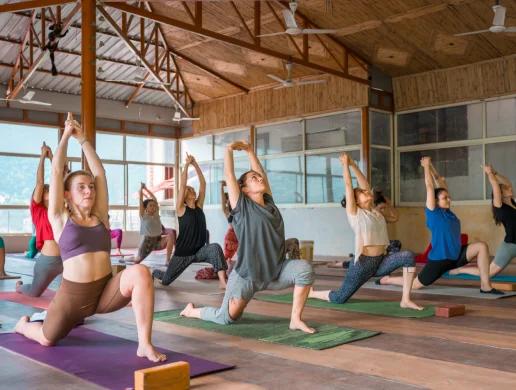
Modern yoga teacher training programs are often associated with physical postures, pranayama, and teaching skills. But in India, the birthplace of yoga, the ancient texts remain the foundation of authentic training. From the Yoga Sutras of Patanjali to the Bhagavad Gita and the Hatha Yoga Pradipika, these timeless scriptures guide students far beyond asana, offering insight into the philosophy and purpose of yoga as a way of life.
In this article, we’ll explore how a 200 Hour Yoga Teacher Training in India integrates these sacred texts into daily learning, creating a deeply transformative journey for both body and mind.
The Yoga Sutras of Patanjali: The Blueprint of Mind and Meditation
Every 200 hour yoga teacher training in India introduces students to the Yoga Sutras of Patanjali. Written nearly 2,000 years ago, the sutras are a collection of 196 aphorisms that define yoga not as posture, but as chitta vritti nirodhah—the stilling of the mind’s fluctuations.
Students study the eight limbs of yoga (Ashtanga Yoga), which include ethical guidelines (yamas and niyamas), breath control, concentration, and meditation. This framework reminds trainees that yoga is a complete path toward inner freedom, not just a physical discipline.
The Bhagavad Gita: Yoga in Daily Life
Another cornerstone of training is the Bhagavad Gita, a spiritual dialogue between Arjuna and Krishna set on the battlefield of Kurukshetra. This text introduces the concept of karma yoga (selfless action), jnana yoga (knowledge), and bhakti yoga (devotion).
During teacher training, students reflect on how these teachings apply to their own lives—whether it’s through serving others, seeking knowledge, or surrendering with faith. The Gita helps future teachers understand that yoga is not separate from life, but rather a way to live with clarity and purpose.
Hatha Yoga Pradipika: The Science of Asana and Pranayama
While Patanjali focuses on meditation and the Gita emphasizes philosophy, the Hatha Yoga Pradipika dives into the physical practices of yoga. This 15th-century text details postures, mudras, bandhas, and pranayama techniques designed to purify the body and awaken prana (life energy).
In training programs, this text provides the traditional foundation for asana practice. Students not only learn alignment and teaching methodology but also the deeper purpose of postures—preparing the body for meditation and higher states of awareness.
Integrating Ancient Wisdom Into Modern Training
One of the most enriching aspects of studying yoga in India is the fusion of textual study with lived practice. Students don’t just read the texts—they chant, discuss, and apply their teachings in daily life.
-
Morning chanting of sutras or mantras connects students with tradition.
-
Group discussions on the Bhagavad Gita bring philosophy into real-life contexts.
-
Guided pranayama based on Hatha Yoga Pradipika allows students to feel ancient practices firsthand.
This integration ensures that graduates leave not only with teaching skills but also with a profound spiritual foundation.
Why Textual Study Matters for Aspiring Teachers
For many students, the study of these texts becomes the most transformative aspect of training. Learning directly from India’s ancient wisdom gives teachers a deeper voice and authenticity when guiding future students.
Instead of presenting yoga as mere exercise, they carry forward its true essence—as a spiritual and holistic path. This depth sets them apart in a world where yoga is often commercialized or diluted.
Conclusion: Ancient Texts as Living Guides
A Yoga Teacher Training in India is not just about mastering postures; it is about immersing in the living wisdom of yoga’s ancient texts. The Yoga Sutras, the Bhagavad Gita, and the Hatha Yoga Pradipika act as timeless guides, shaping not only the training but the way students see themselves and the world.
By studying these scriptures, trainees discover that yoga is more than something you do—it’s something you live.
Post Your Ad Here
Comments (1)
Nedirlife2
Nedir.life
Such a wonderful read! I love how you tied yoga training in India to the wisdom of ancient texts it makes the whole journey feel even more meaningful