Why Everyone Over 40 Should See an Ophthalmologist Regularly
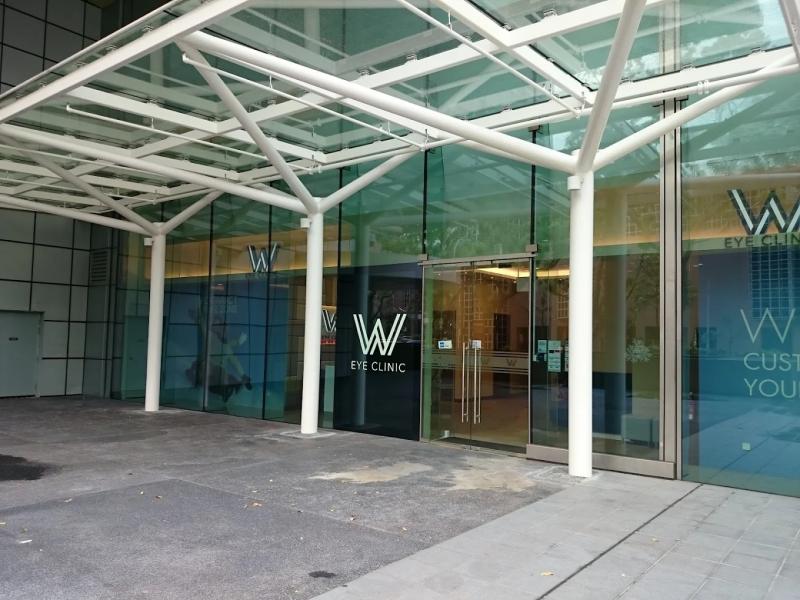
Do you remember when your last eye exam was? If you don’t, now’s the best time to schedule a consultation with your ophthalmologist.
As you reach the age of 40, you become more susceptible to age-related vision changes and problems. It’s all part of the body’s natural ageing process that everyone experiences, and the eyes are no exception.
Regular visits to your ophthalmologist help protect your eye health and ensure clear vision for years to come.
Keep reading to find out why seeing an ophthalmologist when you reach your 40s is so important.
Why are eye exams necessary?
Whether or not you’re currently experiencing vision problems, visiting your ophthalmologist is a vital step in protecting your eye health now and in the future.
The reality is that as you age, your risk of developing vision problems and eye-related conditions increases significantly. These may include chronic dry eyes, macular degeneration, cataracts, glaucoma, diabetic retinopathy, and presbyopia.
Like most health conditions, some of these conditions can develop without noticeable symptoms in the early stages. The only way to catch them early is through a comprehensive eye exam.
By the time you notice something is wrong, it may have already progressed and become more difficult to treat.
Ultimately, early detection and timely treatment are key to improving the prognosis and preserving your vision.
Even if you're not yet in your 40s or have generally healthy eyes, it's still important to schedule regular eye exams.
How often should you see your ophthalmologist?
The answer to this question isn’t the same for everyone. The frequency of your visits to an ophthalmologist depends on several factors, including your age, medical history, and overall eye health.
Around age 40, most eye specialists recommend having a comprehensive eye exam at least every two years. This is assuming your eyes are generally healthy.
If you’re at higher risk for certain conditions due to factors like family history, past eye injuries, severe near or farsightedness, or chronic health issues such as diabetes, you should be more vigilant. In such cases, it's best to schedule an eye exam frequently.
By age 60 and above, annual eye exams are strongly recommended, regardless of whether or not you have existing eye conditions.
What to expect from an eye exam?
There’s more that happens during an eye exam than just simply screening your vision. The main purpose is to detect early signs of eye diseases and measure visual acuity.
When you get an eye exam at age 40, several tests will be performed to evaluate your vision and overall eye health. These include an external eye exam, a refraction test, an ocular muscle test, a visual field test, Optomap imaging, and a retinal examination.
A friendly reminder: eye exams are more than just routine care. They are essential preventive measures to help keep your vision stable as you age.
How does age affect vision?
One of the most common vision conditions affecting people aged 40 and above is presbyopia. This is a natural part of ageing where the lenses in your eyes gradually harden, making it harder for you to see things up close.
As this condition progresses, you may need to update your prescription glasses more frequently or, worse, find that they no longer work as effectively as before.
At the same time, the risk of developing serious eye conditions like glaucoma and diabetic retinopathy increases significantly with age. Both conditions can lead to permanent vision loss if left untreated, which is why consulting an experienced ophthalmologist Singapore is vital for early detection, treatment, and long-term eye health.
Post Your Ad Here
Comments