Building Your Own House: A Step-by-Step Guide
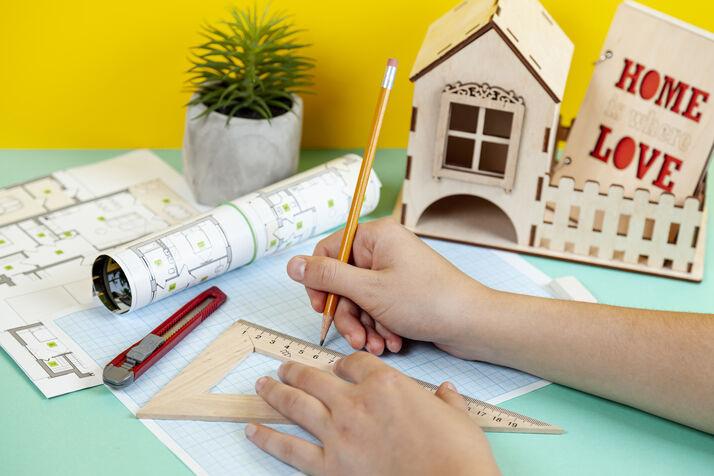
Building your own house can be one of the most exciting projects you ever undertake, providing an opportunity to craft an environment tailored specifically to you and your lifestyle, personality and goals for the future. However, home building requires significant preparation with regards to budgeting, permits and inspections all being essential elements. Understanding each stage will keep the process under control - here is a step-by-step guide that shows you exactly how.
Planning Your Dream Home
A successful home begins with careful consideration. Before purchasing land or hiring professionals, it is vital to define exactly what features and amenities are desired in a new house, from layout and number of rooms and bathrooms, desired square footage and style preferences to must-have features and must-have priorities. Make a list of priorities regarding what you require from each space while taking into account lifestyle issues, family size concerns and long term plans when setting priorities and planning will support all subsequent decisions while helping prevent costly changes later on in the journey.
Financial Planning
Building a home requires careful financial planning. After setting an overall budget that encompasses costs for land, permits, design fees, labor materials and contingency funds for unexpected expenses consult a financial advisor or lender on financing options - most people use construction loans that convert to traditional mortgages once completed - but be prepared to present detailed plans and cost estimates to your lender as accurate budgeting can prevent delays or project halts later on.
Locating an Ideal Plot of Land
Land is of vital importance, so finding and purchasing the appropriate plot of land should not be taken lightly. When purchasing any parcel of land you should take a variety of factors into consideration: such as zoning laws, utility access, soil quality and drainage plans as well as neighborhood development plans. When building homes it must meet specific standards such as access roads schools services etc while some properties might appear perfect on first glance yet require expensive renovation such as grading tree removal utility hookup. It is always advised to conduct a complete land survey and soil test prior to finalizing purchase decisions made before finalizing purchases made decisions are finalized and final.
Design the Structure
Once you own the land, it's time to work with architects, designers, or a design-build firm in bringing your dream home to fruition. Here, your ideas will be translated into blueprints, construction drawings, detailed specifications and layout specifications that meet local building codes as well as future needs; no matter if going fully custom or using stock plans; designing is where creativity meets practicality!
Before construction can start, all necessary permits and approvals from your local building authority must first be obtained. This varies based on where your worksite is, but typically includes zoning clearance, building permits, septic system permits and environmental assessments. Working with an experienced general contractor or builder in your region can make this process faster; remembering to obtain these permissions legally before beginning construction can result in fines or forced demolition proceedings.
Prepare the Site for Construction
Now that permits have been secured, site preparation must commence. This may involve clearing land, grading it and setting up temporary utilities like water and electricity before excavation crews dig for foundation based on approved plans. Proper site preparation ensures long-term structural integrity and drainage issues are solved effectively while setting out every part of a home in advance helps avoid complications during later phases.
Pouring the Foundation
Your home's foundation must meet exacting specifications to remain stable. Depending on its design and location, contractors typically pour concrete forms that cure before framing begins; inspections at this stage help ensure it complies with building code standards as well as being level, secure and free from defects - any mistakes at this point could compromise its stability permanently and precision is always key here.
Framing Your Structure
Framing is when your house begins taking shape. Carpenters will build its framework from floors, walls, roof trusses and staircases; windows and door openings will then be framed out to reveal basic rooms structures. Although framing may be one of the quicker stages in construction, its importance cannot be overstated: contractors often install sheathing over it to protect it against environmental threats; this must all pass a framing inspection before continuing further in its progress.
After your house is built and weatherproofed, it is time to install major systems-electrical, plumbing, HVAC (heating ventilation air conditioning). These will run along walls ceilings and floors and licensed professionals can often handle this phase including running wires ductwork waterlines as well as installing breakers panels vents pipes etc inspected prior to insulation/drywall application ensuring safety comfort functionality of home life. This step must not be skipped!
Insulating and Drywalling the Interior
Insulation plays a pivotal role in keeping your home comfortable by controlling temperature and energy use; contractors will install insulation accordingly according to local building code or energy-efficiency goals. Once insulation has been completed, sheetrock (drywall) must then be installed, taped, taped over seams, finished and taped back again until complete - this step serves to transform an empty shell into something inhabitable - providing smooth surfaces ready for painting, lighting fixtures and cabinetry; marking a transition point between rough construction and finish works.
Installation of Accessories
At this point, your house begins to feel more like home as contractors install cabinetry, countertops, flooring tile, lighting fixtures, plumbing fixtures, interior doors trim and paint; exterior work includes siding roofing landscaping driveways walkways as well as walkways if applicable - this phase may take weeks depending on size of house and level of detail required; it's essential that you stay involved to make sure finishes match approved selections and plans.
Final Inspections and Certificate of Occupancy
Prior to moving in, your new home must pass final inspections to ensure its safety, code compliance and quality - such as electrical wiring, plumbing plumbing structural energy efficiency fire safety. After passing all inspections successfully, local building departments issue Certificates of Occupancy which legally enable you to live there if financing the purchase with mortgage loans requiring this document for dispersing final funds.
Conclusion: Transition to Your New Home
Now that construction has come to fruition and all approvals have been secured, it's time for you and your builder to settle in and enjoy what has been your labor of love! Before taking possession, take time with both builders to walk through your dream home together to compile a final punch list--minor repairs or adjustments which need to be addressed--then once these have been addressed, Custom home renovation in Northeast PA complete your dream home officially belongs to you and all warranties, manuals and maintenance schedules must be kept safe for future reference!
Post Your Ad Here
Comments