Essential Elements for Crafting Compelling Restaurant Reviews: What Makes a Summary Truly Engaging?
In today's digital age, restaurant reviews and summaries serve as crucial decision-making tools for diners worldwide. Whether you're a professional food critic, a passionate food blogger, or simply someone who enjoys sharing culinary experiences, understanding how to craft a comprehensive yet engaging restaurant summary is an invaluable skill. The art lies in balancing thoroughness with brevity, ensuring readers get all the essential information while maintaining their interest throughout.

The Foundation: Atmosphere and Ambiance
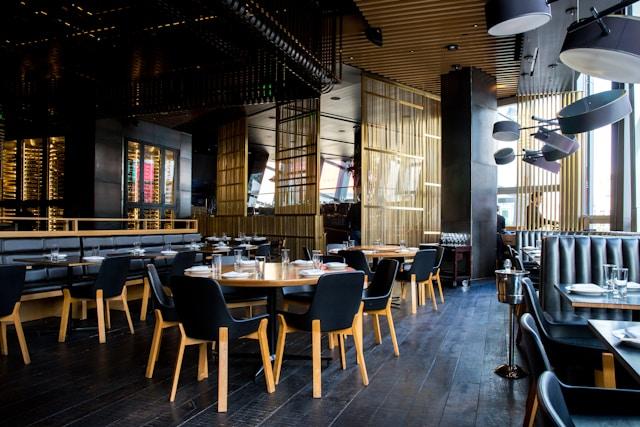
Every exceptional restaurant summary begins with setting the scene. The atmosphere and ambiance of a dining establishment form the backdrop against which the entire culinary experience unfolds. When describing a restaurant's environment, focus on the sensory details that transport readers directly to the venue. Consider the lighting – is it warm and intimate, or bright and energetic? Describe the décor, furniture style, and overall design aesthetic. Does the space feel modern and minimalist, or cozy and traditional?
Sound plays a crucial role in dining experiences. Note whether the restaurant maintains comfortable conversation levels or if the atmosphere buzzes with lively energy. The music selection and volume can significantly impact the mood, so mention whether it complements or detracts from the overall experience. Space considerations matter too – are tables appropriately spaced for privacy, or does the layout encourage a more communal dining experience?
Don't overlook practical elements like cleanliness, accessibility, and comfort. These factors, while seemingly basic, significantly influence a diner's overall satisfaction and should be acknowledged in any thorough restaurant summary.
Service Quality: The Human Element
Service quality often determines whether diners return to a restaurant, regardless of food quality. In your summary, evaluate multiple aspects of service delivery. Begin with the greeting and seating process – were you welcomed warmly and seated promptly? Consider the server's knowledge about the menu, including ingredients, preparation methods, and wine pairings. Professional servers should be able to answer questions confidently and offer helpful recommendations.
Timing is another critical service element. Note whether courses arrived at appropriate intervals, allowing diners to enjoy each dish without feeling rushed or forgotten. Observe the staff's attentiveness throughout the meal – do they check in at appropriate moments without being intrusive? The ability to handle special requests or dietary restrictions gracefully demonstrates a restaurant's commitment to customer satisfaction.
Consider the efficiency of order processing, accuracy of orders delivered, and the staff's professionalism in handling any issues that arise. The payment process, including bill presentation and processing time, rounds out the service experience and deserves mention in comprehensive reviews.
Menu Analysis: Diversity and Execution
A restaurant's menu reflects its identity and culinary philosophy. When analyzing the menu for your summary, consider both breadth and depth of offerings. Does the restaurant specialize in a particular cuisine or offer diverse options to satisfy various preferences? Note whether the menu clearly describes dishes and identifies allergens or dietary accommodations.
Pricing structure deserves careful attention. Compare the restaurant's pricing to similar establishments in the area, considering portion sizes and ingredient quality. Value perception varies among diners, so provide context that helps readers understand whether prices align with the overall experience quality.
Seasonal menu changes and special offerings indicate a restaurant's commitment to freshness and culinary creativity. Mention whether the establishment features daily specials, rotating seasonal items, or consistent signature dishes that define their reputation.
Food Quality and Presentation
The heart of any restaurant review lies in evaluating the food itself. Structure your food analysis systematically, beginning with appetizers and progressing through the full dining experience. For each dish, consider multiple dimensions: visual presentation, aroma, taste, texture, and temperature upon serving.
Describe flavors with specific, evocative language that helps readers understand what to expect. Rather than simply stating something tastes "good," explain whether it's savory, sweet, spicy, or complex with multiple flavor layers. Note cooking techniques and ingredient quality – are vegetables crisp and fresh, meats properly cooked to order, and sauces well-balanced?
Portion sizes matter significantly to diners. Indicate whether portions are generous, moderate, or modest, and whether they provide good value relative to pricing. Consider how dishes complement each other if ordering multiple courses, and note any standout items that particularly impressed or disappointed.
Innovation and creativity in cuisine deserve recognition. Has the chef put unique spins on classic dishes, or do they stick to traditional preparations? Both approaches can be successful when executed well.
Location and Practical Considerations
Include practical information that helps readers plan their visit effectively. Location details should encompass more than just the address – describe the neighborhood character, nearby landmarks, and the ease of finding the restaurant. Parking availability and public transportation access can significantly impact the dining experience, especially in urban areas.
Operating hours, reservation policies, and typical wait times provide valuable planning information. Note whether the restaurant accepts walk-ins or requires reservations, and mention any specific policies regarding party sizes, time limits, or dress codes.
Special considerations like outdoor seating, private dining options, or event hosting capabilities may appeal to readers planning special occasions or group gatherings.
Value Proposition and Overall Experience
Synthesize all elements to evaluate the restaurant's overall value proposition. Consider whether the combination of food quality, service, atmosphere, and pricing creates a compelling dining experience. Different restaurants succeed through different strategies – some excel in casual comfort food at reasonable prices, while others justify premium pricing through exceptional cuisine and service.
Consider the restaurant's target audience and whether it successfully serves that demographic. A family-friendly establishment has different success criteria than an upscale fine-dining venue. Context matters when evaluating whether a restaurant achieves its apparent goals.
Address whether you would recommend the restaurant and for what occasions. Some establishments excel for romantic dinners, others for business lunches, and still others for casual gatherings with friends. Helping readers understand the best contexts for enjoying the restaurant adds practical value to your summary.
What Questions Should Guide Your Next Restaurant Review?
When approaching your next restaurant summary, consider what aspects of the dining experience matter most to your readers, and how you can balance comprehensive coverage with engaging storytelling that makes them eager to visit – or wisely avoid – the establishment you're reviewing?
Post Your Ad Here
Comments