What Are Five Best Practices When Designing
Quick Answer
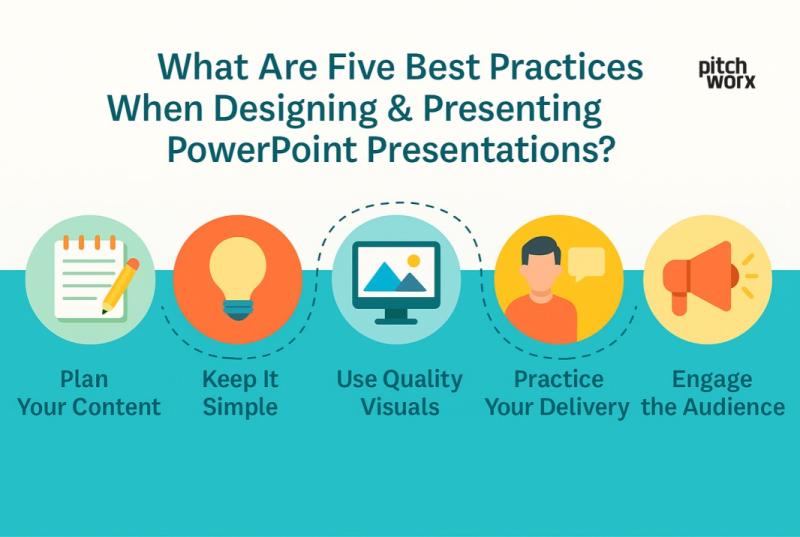
The five best practices for designing and presenting PowerPoint presentations are: 1) Keep slides simple with minimal text (6x6 rule), 2) Use consistent visual branding and color schemes, 3) Create compelling storytelling with logical flow, 4) Practice confident delivery with audience engagement, and 5) Include clear call-to-action slides. Professional PowerPoint design services report 65% higher success rates when these practices are implemented correctly.
Example: A marketing agency applied these five best practices to redesign their client pitch deck, resulting in a 40% increase in proposal acceptance rates and securing three major contracts worth $2.8 million within six months.
Introduction
Creating effective PowerPoint presentations requires mastering both design fundamentals and presentation skills. Whether you're preparing for investor meetings, sales pitches, or corporate communications, following proven best practices ensures your presentations deliver maximum impact and achieve desired business outcomes. Professional PowerPoint design agencies consistently apply these principles to create presentations that engage audiences and drive results.
This comprehensive guide explores the five essential best practices that transform ordinary slides into powerful communication tools, backed by insights from leading presentation experts and real-world success stories.
Best Practice 1: Keep Slides Simple & Focused
The 6x6 Rule for Content Organization
The most effective presentations follow the 6x6 rule: maximum six bullet points per slide with six words per bullet point. This principle prevents information overload and ensures audience attention remains focused on key messages rather than reading dense text blocks.
Minimal Text, Maximum Impact
Professional PowerPoint design services prioritize visual communication over text-heavy slides. Research from cognitive psychology shows that audiences retain 65% more information when concepts are presented visually rather than through extensive text. Replace lengthy paragraphs with compelling visuals, infographics, and concise statements that support your verbal presentation.
White Space Utilization
Strategic use of white space improves slide readability and visual appeal. Cluttered slides overwhelm audiences and reduce message effectiveness. Professional designers use white space to create visual hierarchy, guide attention, and enhance overall presentation aesthetics.
Single Concept Per Slide
Each slide should focus on one main idea or concept. This approach allows audiences to process information effectively and prevents cognitive overload that occurs when multiple complex ideas compete for attention simultaneously.
Best Practice 2: Maintain Consistent Visual Branding
Color Scheme Consistency
Establish a cohesive color palette that reflects your brand identity and use it consistently throughout the presentation. Professional PowerPoint design agencies typically use 3-5 colors maximum, ensuring visual harmony while maintaining brand recognition and professional appearance.
Typography Standards
Select 2-3 complementary fonts maximum and use them consistently for headings, body text, and captions. Avoid decorative fonts that compromise readability, especially in professional business environments where clarity and credibility are paramount.
Logo and Brand Element Placement
Strategically place logos and brand elements without overwhelming slide content. Consistent branding reinforces company identity while maintaining professional standards that build audience confidence and trust.
Template Standardization
Develop standardized slide templates that ensure consistency across all presentations within your organization. This approach saves time while maintaining professional quality and brand compliance across different presenters and departments.
Best Practice 3: Create Compelling Storytelling Flow
Logical Information Architecture
Structure presentations with clear beginning, middle, and end that guides audiences through your narrative logically. Professional PowerPoint design services emphasize story arc development that builds audience engagement and leads to desired conclusions.
Problem-Solution Framework
Effective presentations often follow problem-solution structures that resonate with business audiences. Begin by establishing challenges or opportunities, then present your solutions with supporting evidence and clear benefits.
Data-Driven Narrative
Support your story with relevant data, statistics, and case studies that build credibility and demonstrate value. Transform complex data into accessible visualizations that reinforce key messages without overwhelming audiences.
Smooth Transitions
Create seamless transitions between slides and sections using consistent design elements, progressive disclosure techniques, and logical content flow that maintains audience engagement throughout the presentation.
Best Practice 4: Master Confident Presentation Delivery
Audience Engagement Techniques
Effective presenters actively engage audiences through questions, interactive elements, and responsive communication. Maintain eye contact, use purposeful gestures, and project confidence that builds audience trust and attention.
Rehearsal and Preparation
Professional speakers practice extensively before important presentations. Rehearse content delivery, timing, and technology integration to ensure smooth, confident performance that demonstrates expertise and preparation.
Technology Mastery
Understand your presentation technology thoroughly, including backup plans for technical difficulties. Test all multimedia elements, interactive features, and equipment beforehand to prevent disruptions that undermine presentation effectiveness.
Pacing and Timing
Control presentation pacing to maintain audience attention and allow adequate time for key messages. Professional presenters use strategic pauses, vary speaking rhythm, and monitor audience engagement cues to optimize delivery effectiveness.
Best Practice 5: Include Clear Call-to-Action Elements
Specific Action Steps
Conclude presentations with specific, actionable next steps that guide audiences toward desired outcomes. Vague conclusions reduce presentation effectiveness and missed opportunities for business advancement.
Contact Information and Follow-up
Provide clear contact information and follow-up procedures that facilitate continued engagement. Professional PowerPoint design agencies include strategically placed contact details that encourage audience response without overwhelming slide content.
Urgency and Benefits
Communicate clear benefits and appropriate urgency that motivate audience action. Effective call-to-action slides balance persuasion with professionalism, encouraging response without appearing pushy or aggressive.
Multiple Response Options
Offer various ways for audiences to engage, including email, phone, website visits, or meeting scheduling. Different audiences prefer different communication methods, so providing options increases response likelihood.
Free Tools for Implementing Best Practices
Design and Layout Tools
Canva: User-friendly platform offering professional templates that implement design best practices automatically, perfect for maintaining visual consistency and professional appearance.
Google Slides: Cloud-based presentation software with collaboration features and template libraries that support best practice implementation across teams.
PowerPoint Designer: Built-in AI tool that suggests design improvements based on slide content, helping implement visual best practices automatically.
Content and Visual Resources
Unsplash: High-quality stock photography that enhances visual appeal while maintaining professional standards and supporting storytelling objectives.
Pexels: Free video library providing multimedia content that increases audience engagement and supports dynamic presentation delivery.
Flaticon: Professional icon library that replaces text with visual elements, supporting the minimal text best practice while enhancing comprehension.
Presentation Practice Tools
Teleprompter Premium: Practice tool that helps rehearse presentation delivery and improve confidence through structured practice sessions.
Zoom Recording: Free recording feature that allows presentation practice review and delivery improvement through self-assessment.
Google Meet: Practice platform for rehearsing with colleagues and receiving feedback on delivery techniques and audience engagement.
Common Mistakes to Avoid
Design Pitfalls
Avoid animation overuse, inconsistent formatting, low-resolution images, and cluttered layouts that distract from core messages and reduce professional credibility.
Content Errors
Prevent information overload, unclear messaging, missing context, and weak conclusions that confuse audiences and reduce presentation effectiveness.
Delivery Problems
Avoid reading slides verbatim, poor timing, technical difficulties, and lack of audience interaction that undermine presenter credibility and audience engagement.
Professional PowerPoint Design Agency Benefits
Expert Implementation
Professional PowerPoint design services like Pitchworx expertly implement all five best practices consistently, ensuring optimal presentation effectiveness and business outcomes through systematic application of proven principles.
Time and Resource Efficiency
Partnering with experienced PowerPoint design agencies saves significant time and resources while guaranteeing professional results that implement best practices correctly and consistently.
Measurable Results
Professional services deliver measurable improvements in presentation effectiveness, audience engagement, and business outcomes through systematic application of design and delivery best practices.
Conclusion
Implementing these five best practices transforms PowerPoint presentations from basic slide shows into powerful business communication tools that achieve specific objectives. While these principles seem straightforward, consistent application requires discipline, practice, and often professional guidance.
Leading PowerPoint design agencies like Pitchworx have mastered these best practices through extensive experience and proven methodologies that deliver exceptional results. Whether you implement these practices independently using free tools or partner with professional PowerPoint design services, following these guidelines ensures your presentations engage audiences effectively and drive desired business outcomes.
Success in presentation design and delivery comes from understanding that effective communication combines visual excellence with strategic thinking and confident delivery. By mastering these five essential best practices, you transform presentations into competitive advantages that differentiate your organization and drive measurable business success.
Post Your Ad Here
Comments