A Complete Guide to Digital Marketing for Restaurants
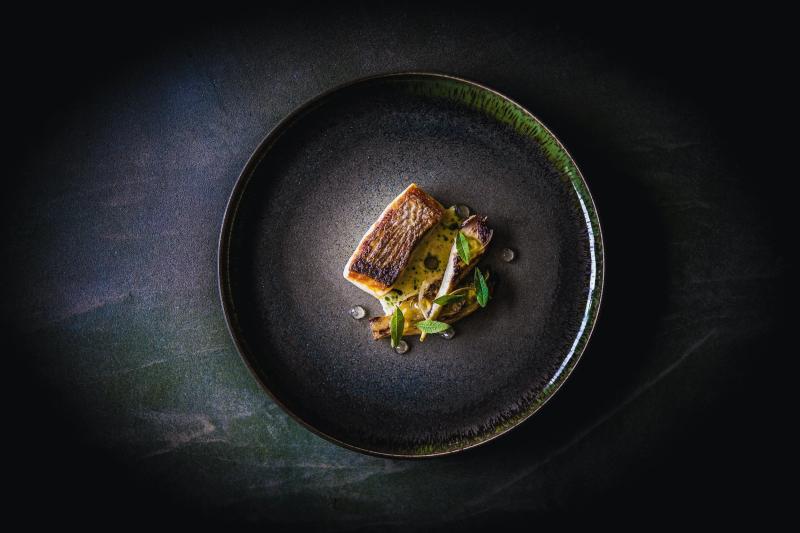
The restaurant industry is one of the most competitive sectors in hospitality. New venues are opening all the time, customer expectations are rising, and traditional advertising alone is no longer enough to keep tables filled. To stand out, restaurants must embrace digital marketing strategies that connect with the right audience, build lasting relationships, and ultimately increase bookings and revenue.
Why Digital Marketing Matters for Restaurants
Diners today make decisions online. From scrolling through Instagram for inspiration to reading Google reviews before booking, the digital space is where most customer journeys begin. Without a strong online presence, even the best restaurants risk being overlooked in favour of competitors who are more visible.
Digital marketing allows restaurants to:
-
Reach specific audiences based on location, interests, and behaviours.
-
Showcase menus, promotions, and events in real time.
-
Build engagement through storytelling and visual content.
-
Track results and measure return on investment with accuracy.
Key Digital Marketing Strategies for Restaurants
Targeted Social Media Advertising
Platforms like Facebook, Instagram, and TikTok make it possible to target diners by demographics, location, and dining preferences. Whether promoting weekday lunch deals to nearby office workers or advertising a Sunday brunch to families, targeted ads ensure every campaign is cost-effective and relevant.
Influencer Collaborations
Food and lifestyle influencers play a huge role in shaping dining trends. Partnering with local influencers can give your restaurant instant exposure to thousands of potential customers who trust their recommendations. Even micro-influencers with smaller but highly engaged followings can deliver strong results.
Content Creation and Storytelling
High-quality photography and video are essential for showcasing dishes, interiors, and the dining experience. Reels, behind-the-scenes kitchen shots, and chef-led storytelling help bring a restaurant’s personality to life and encourage sharing across social channels.
Email Marketing for Loyalty and Retention
Email newsletters remain one of the most effective tools for customer retention. Restaurants can use them to announce seasonal menus, share exclusive offers, and invite loyal diners to events. Segmenting email lists ensures each customer receives content that’s relevant to their preferences.
Local SEO and Online Visibility
When potential customers search “restaurants near me,” appearing at the top of results can make the difference between a full dining room and empty tables. Optimising Google Business Profile listings, encouraging reviews, and using location-based keywords are vital for attracting local diners.
PR and Media Outreach
Press coverage in regional and national publications provides powerful third-party validation. Announcing new menu launches, chef appointments, or milestone anniversaries through targeted PR can build credibility and reach new audiences beyond social platforms.
Benefits of Digital Marketing for Restaurants
-
Greater Reach to Relevant Audiences: Marketing budgets are spent on those most likely to book.
-
Improved Customer Engagement: Tailored campaigns resonate more, leading to higher interaction rates.
-
Cost Efficiency: Unlike broad advertising, digital strategies allow smaller budgets to achieve measurable results.
-
Data-Driven Insights: Track performance in real time to adjust strategies and improve ROI.
-
Increased Bookings and Sales: From reservations to online orders, digital marketing directly drives revenue.
How Restaurants Can Get Started
-
Identify your target audience – families, professionals, tourists, or students.
-
Choose the right platforms – Instagram for visuals, Google for search, email for loyalty.
-
Invest in high-quality content – professional imagery and video capture attention.
-
Set a realistic budget – allocate funds across ads, content, and PR for balance.
-
Monitor and optimise campaigns – refine strategy based on data and customer feedback.
Conclusion
In today’s digital-first world, effective restaurant marketing goes beyond traditional advertising. A combination of social media advertising, influencer partnerships, professional content creation, PR, SEO, and email marketing ensures restaurants can connect with the right people, build strong customer relationships, and maintain a competitive edge.
For more insights into digital marketing for restaurants, visit Restaurant Marketing Agency.
Post Your Ad Here