The Future of Fertilizer: Transforming Waste with the Intelligent Composting Machine
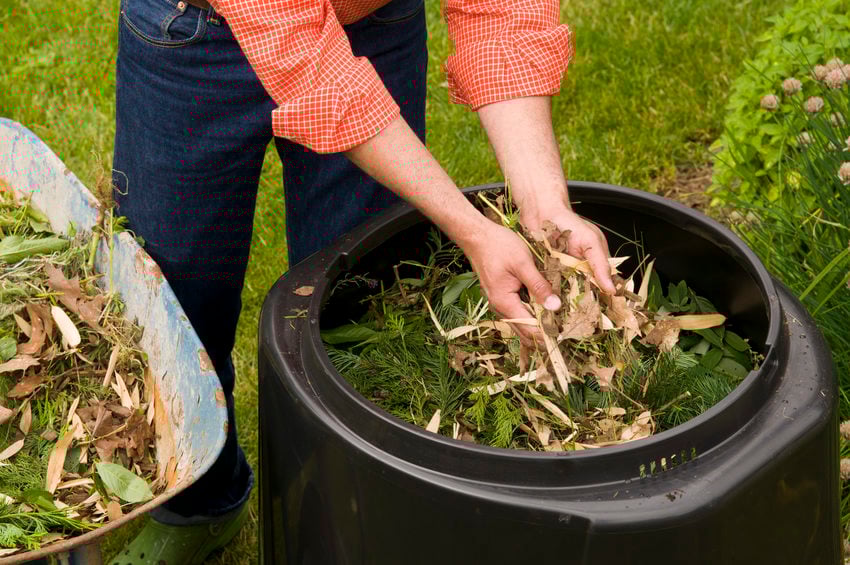
Across farms, cities, and food industries, one challenge persists—what to do with organic waste. Whether it’s livestock manure, municipal sludge, or discarded food, this waste poses a significant environmental and logistical issue. But as sustainability becomes a global priority, the solution is no longer just disposal—it's transformation. At the core of this shift is the intelligent composting machine, particularly the advanced fermentation tank, which is redefining how we treat waste and produce organic fertilizer.
Organic Waste, Reimagined
Organic waste is abundant and unavoidable. Farms generate tons of animal manure, cities struggle with sewage sludge, and food waste piles up by the hour. Historically, this material was either left to decompose in open fields or trucked away for disposal, often at a high cost to the environment and public health. These methods not only created foul odors and harmful emissions but also contributed to soil and water pollution.
Today, that same waste is being reimagined—not as a problem to be managed but as a resource to be harnessed. The composting machine, designed for high-efficiency fermentation, offers a modern solution that recycles waste into a valuable product: organic fertilizer. This innovation is leading a quiet revolution in how we handle organic matter, closing the loop between waste production and soil enrichment.
Compact, Durable, and Built for Results
The new generation of composting machines is engineered with precision and purpose. The fermentation tank, in particular, is a marvel of compact efficiency. It requires little installation space, significantly reducing the need for costly civil construction. This compactness makes it ideal for both urban and rural setups—bringing industrial-level composting capability to even small-scale operations.
Durability is another defining feature. The core treatment chamber, where waste is broken down, is constructed from stainless steel, offering exceptional resistance to corrosion. The machine’s mechanical systems are cleverly separated from the waste itself, protecting them from damage and extending the lifespan of the equipment. The result is a system that operates reliably day after day, even under the harsh conditions of continuous waste processing.
Clean Operation, Minimal Intervention
Where older systems were noisy, messy, and labor-intensive, this composting machine runs with quiet precision. A hydraulic transmission system ensures smooth, low-noise performance. The fully enclosed design contains odors and airborne particles, keeping the surrounding environment clean and free of pollution. Any odors that are generated are collected and passed through a deodorization system, ensuring that emissions are treated before release.
One of the most impressive advantages of the system is its low operational cost. Unlike many composting setups that require constant additions of auxiliary materials or microbial agents, this fermentation tank works without extra inputs. It harnesses the natural microbial content of the waste to drive the fermentation process, eliminating recurring costs and simplifying daily operations.
Fast Fermentation, High-Quality Fertilizer
Speed is another area where the composting machine stands out. Traditional composting can take weeks or even months to complete, often with inconsistent results. This modern system reduces the fermentation time drastically, completing the process in just a few days—without compromising the quality of the end product.
More importantly, the nutrient content of the compost is preserved during processing. The result is a high-quality organic fertilizer that contains the essential nutrients needed to restore soil health and boost crop performance. By retaining these nutrients and avoiding the use of chemical additives, this fertilizer supports long-term agricultural productivity and environmental health.
Simple Controls, Sophisticated Impact
Despite its technological sophistication, the composting machine is easy to operate. With a simple button-based control panel, operators can manage the entire process with minimal training. Automation takes care of the key variables—temperature, aeration, and moisture—ensuring consistent and reliable fermentation with little need for human intervention.
This simplicity makes the machine ideal for a wide range of users, from individual farmers to municipal waste managers. It bridges the gap between advanced waste treatment technology and practical, everyday use—empowering more people to adopt sustainable practices.
Building a Circular Future
The rise of the composting machine is part of a larger movement toward circular resource use—where nothing is wasted, and everything serves a purpose. By turning organic waste into fertilizer, this system reconnects what was once discarded with the soil that sustains us. It reduces environmental pollution, cuts down on chemical fertilizer use, and offers a scalable solution to one of today’s most pressing challenges.
As the world faces growing demand for food, cleaner environments, and smarter resource management, the composting machine is no longer just a tool—it’s a turning point. With every load of waste it transforms, it brings us one step closer to a more sustainable, self-sufficient future.
Post Your Ad Here
Comments