Footprints in the Ashram Dust: Stories of Simplicity from Yoga Training
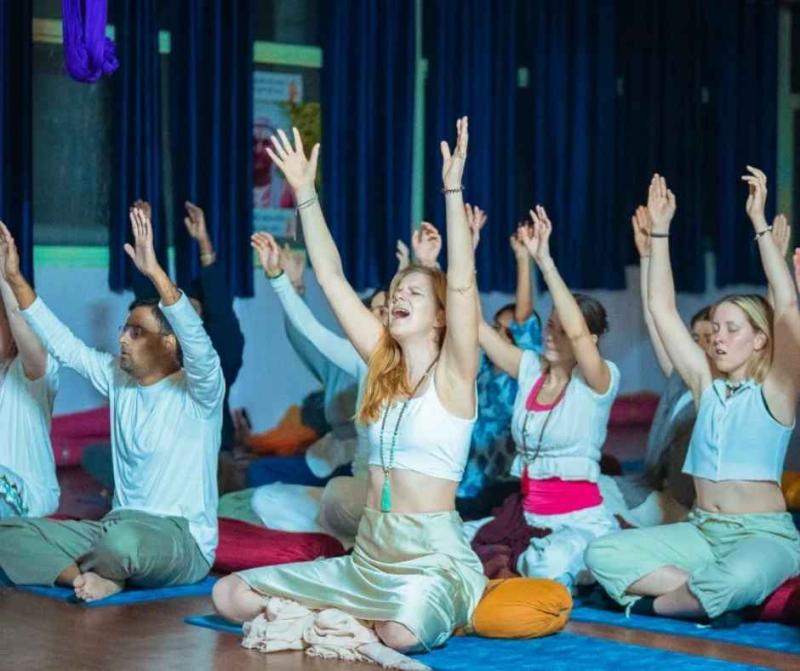
When you step into an Indian ashram for yoga teacher training, life begins to change in ways you don’t expect. The wooden floors, chanting bells, early-morning meditations, and the quiet shuffle of bare feet across the courtyard leave more than just footprints in the ashram dust—they leave impressions on the heart. These simple, daily experiences often shape students just as much as the asanas and philosophy lectures, revealing that yoga is not only about movement but also about living with awareness and simplicity.
The Rhythm of Ashram Life
Yoga teacher training in India often takes place in traditional ashrams. Here, life moves at a different pace. The day begins long before sunrise, with morning mantras or meditation, followed by asana practice. Meals are eaten in silence, schedules are strict, and material comforts are minimal.
At first, many students find this simplicity difficult to adjust to. No coffee runs, no phones buzzing, no distractions. Yet slowly, the structure becomes liberating. In the quiet, students rediscover the richness of small things—a cup of warm chai, the sound of birds at dawn, or the rhythm of their own breath during pranayama.
Simplicity as a Teacher
Books on yoga philosophy talk about aparigraha (non-possessiveness) and santosha (contentment), but it is in the ashram that these ideas truly come alive. With few belongings and shared spaces, students learn to live lightly. Owning less reveals how little is needed to feel whole.
The dust on the ashram floor becomes symbolic: each footprint is temporary, just like our desires and attachments. Students begin to see that simplicity is not deprivation—it is clarity.
Lessons From Karma Yoga
A key part of ashram life is karma yoga, or selfless service. Whether sweeping the courtyard, cleaning dishes, or helping in the garden, every task becomes part of the training. In the beginning, some may see it as “chores,” but over time, the simplicity of these acts transforms the heart.
Washing dishes side by side, sweeping together in silence, or tending to the plants becomes a meditation. Students learn humility, teamwork, and presence, realizing that service is as much a yoga practice as holding a pose.
Community and Connection
Ashrams attract seekers from all over the world. Strangers become roommates, dining companions, and, eventually, lifelong friends. The simplicity of ashram life strips away pretenses—there is no space for hiding behind jobs, clothes, or status. Instead, bonds form through shared practice, silence, and sweat.
Stories of laughter while hanging laundry, long talks under the stars, or sitting in stillness together become the memories that last far beyond the training itself. These connections reflect the yogic principle of sangha, the supportive spiritual community that carries us forward.
Finding Joy in the Ordinary
One of the most beautiful lessons of ashram simplicity is rediscovering joy in the ordinary. Eating a simple sattvic meal becomes sacred when done with awareness. Sitting quietly after morning meditation feels like a gift. Even walking barefoot across the dusty courtyard becomes a reminder of grounding and connection to the earth.
Students often realize that happiness isn’t found in more—but in less. Less clutter, less noise, less distraction. In that space, the true self shines more clearly.
Beyond the Training: Lasting Impressions
When students leave the ashram at the end of their yoga teacher training, they don’t just carry a certificate—they carry new habits, perspectives, and values. The stories of shared silence, dusty footprints, and humble meals remain as reminders of what truly matters.
Back home, they often notice a shift: a slower morning, more gratitude for simple food, or a newfound patience in daily life. The simplicity of the ashram lingers, guiding them toward balance and mindfulness even in a busy world.
Conclusion
Footprints in the ashram dust are more than marks on the ground—they are symbols of transformation. Each day in the ashram shapes the body, mind, and spirit through simplicity, discipline, and awareness.
200 Hour Yoga teacher training in Bali isn’t just about learning how to teach—it’s about unlearning the complexities of modern life and returning to the essence of living: presence, humility, and gratitude. And sometimes, the greatest lessons are found not in lectures or books, but in the quiet footprints we leave behind on the ashram floor.
Post Your Ad Here
Comments