Understanding How Bad Credit Affects Your Mortgage Options
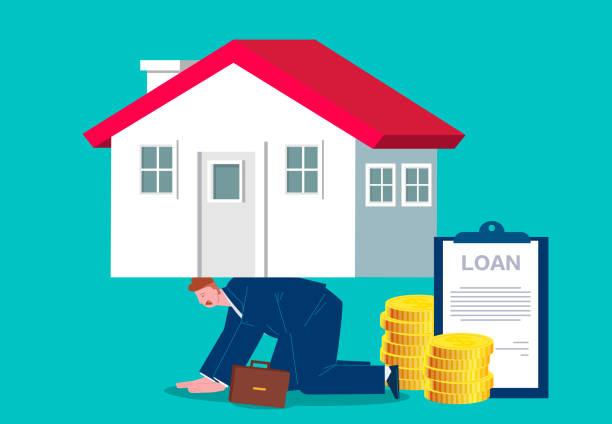
A credit score explains something about your money habits. It indicates to lenders whether you pay bills on time. This is a three-digit figure that tags along with every money activity. When you apply for a loan, most banks would first of all want to look at it. They need to find out whether lending to you will be a safe option.
The process of getting a home loan becomes difficult at a score level of below 580. The lenders take this as a huge risk indicator. They fear that when the going gets rough, you can cease to pay. They have to safeguard their money.
The majority of the high street banks are very strict when it comes to scores. They have a tendency to refuse individuals below their established limits. This is like when there are closures at the time when you have located your dream house.
Nevertheless, there are more opportunities in the loan world than most people think. There are bad credit loans, and such loans are only taken out by people with credit score problems. They are more expensive, yet they come in handy when they are needed the most. There are those lenders who do not look at assisting individuals with a history of financial problems.
How Lenders See Bad Credit?
Banks and direct lender companies get nervous when they spot poor credit scores. They worry you might not pay them back on time. Your past money troubles flash warning signs they can't ignore. Most lenders run deep checks on your financial history before saying yes.
The risk puts them in a tough spot. They need to protect their cash while still making a profit. This leads many to offer loans with much higher interest rates. You might face rates two or three times what others pay. That extra cost adds up fast over the years.
Many will also ask for a bigger deposit up front. They want more skin in the game from you. A standard 10% deposit might jump to 25% or higher. This helps them feel safer if things go wrong later.
Some lenders simply say no when they see bad credit. They don't want the hassle or risk at all. This happens more with big high street banks than small firms. The small ones often take more chances with risky people.
Bad credit doesn't just affect approval odds. It changes how loan staff talk to you. They might ask for more proof of your income. The whole loan process gets harder with each credit ding. Some lenders now focus just on helping people with poor scores.
Mortgage Options with Bad Credit
Bad credit doesn't mean you can't buy a home. Subprime loans exist just for people with bad credit scores. These loans work like normal ones but cost more in fees. The rates might start at 5-7% instead of the usual 3%. Some bad credit loans let you pay more later to fix the terms. This gives you time to improve your score first.
Guarantor mortgages offer a smart path for many buyers. They need someone to back your loan if you can't pay. Non-homeowner guarantor loans from direct lenders let family members help without owning property themselves. The person just needs good credit and steady income. Many direct lenders now offer these deals. They often have better rates than normal bad credit options.
Shared ownership schemes split the cost with housing groups. You buy part (25-75%) while paying rent on the rest. This cuts both the loan size and the deposit needed. Many with bad credit find this path much more doable. Later on, you can buy more of the home in steps.
Help-to-buy works well for new builds with poor credit. The government lends up to 20% of the home price. This lessens what you need to borrow from banks. Your credit matters less when you need a small loan.
Steps to Improve Credit Score
Most people see change within six months of trying. The lenders notice these efforts even before your score jumps.
1. Pay All Bills On Time
You set up direct debits for everything to avoid human error. The phone bills and gym fees affect your score now. Some can even get direct lender bad credit loans with guaranteed approval by paying on time. Many often say yes despite a poor history. Their rates start high at 39.9% APR, but paying these on time helps.
2. Register On the Electoral Roll
This simple step can boost your score by 50 points. Lenders check this list to confirm your address details. It takes five minutes online, but many people skip it. Your council website has the form under the "voting" section.
3. Don't Max Out Cards
You can keep card balances below 30% of their limits. Using £300 of a £1,000 limit looks better than maxing out. This shows lenders you don't rely on credit too much. You can try spreading costs across several cards instead of filling one. You can say more than the minimum each month, even by £10.
4. Check Credit File For Errors
You order reports from all three UK agencies once a year and look for accounts you never opened or wrong payment records. You can write to fix these to lift scores by 100+ points.
Should You Wait or Apply Now?
You're getting loans with bad credit costs more, but gets you in now. You might pay £50,000 extra over a 25-year loan term. Many homes go up about 5% yearly in most areas. The £200,000 flat might cost £210,000 next year alone.
Growing families often need space right now, not later. Job moves might make buying wise, even with higher rates. Most credit issues fade after two years of good habits.
Some people benefit hugely from just six months of work. A score jump from 550 to 650 can cut rates by 2%. On a £180,000 loan, that saves over £200 monthly. This adds up to house-sized money over the full term.
You can talk with a whole-market broker before making your mind up. They see deals most people miss in this space. Many can tell you what score you need for better rates. Some lenders now offer "credit repair" loans with falling rates. These drop your cost as your score improves. Bad scores feel heavy, but they don't last forever. Most marks fade after six years at most.
Conclusion
The way lenders judge risk has changed in recent years. They now look deeper than just the bare score. Many check why your score dropped and when it happened. A five-year-old problem hurts less than last month's slip-up. Your recent bill payment history matters more than old mistakes.
Being short on
options isn't the same as having none. You can take some steps to open paths to
home loans anyway.
Post Your Ad Here
Comments