GPS vs Cell Phone Tracking: Key Differences Explained
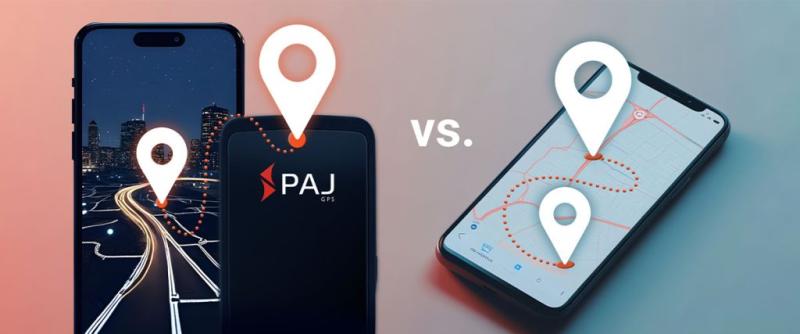
When you need to track someone's location or keep tabs on your own movements, you've got two main options: dedicated GPS devices or your smartphone's built-in tracking features. This guide is for parents monitoring teens, fleet managers overseeing vehicles, outdoor enthusiasts planning adventures, and anyone curious about how these tracking technologies actually work.
GPS tracking relies on satellite signals to pinpoint exact locations, while cell phone tracking uses a combination of cell towers, WiFi networks, and sometimes GPS to determine your location. Each method has its own strengths and weaknesses, making it better suited for different situations.
We'll break down how GPS and cell phone tracking actually work under the hood, explore the privacy concerns and legal rules you should know about, and show you real-world examples of when to choose one over the other. By the end, you'll know exactly which tracking method fits your specific needs.
Why use GPS or cell phone tracking for different real-time examples
TheOneSpy offers GPS cell phone tracking
TheOneSpy stands out as an exhaustive monitoring solution that combines both GPS and cellular tracking technologies into one powerful platform. This software provides real-time location tracking through multiple methods, including GPS coordinates, cell tower triangulation, and Wi-Fi positioning. Users can access detailed location histories, set up geofences with instant alerts, and monitor movement patterns through an intuitive dashboard.
The platform excels in accuracy by using hybrid tracking methods. When GPS signals are weak indoors, the system automatically switches to cellular and Wi-Fi tracking to maintain location updates. This seamless transition ensures continuous monitoring regardless of the target device's environment. TheOneSpy also offers additional features, such as call recording, message monitoring, and app usage tracking, making it a comprehensive surveillance solution.
What sets TheOneSpy apart is its stealth operation mode. The app runs invisibly on target devices without displaying icons or notifications, ensuring discreet monitoring. The collected data syncs automatically to secure cloud servers, allowing users to access information from any internet-connected device through their personal control panel.
Parental Supervision to keep kids safe
Parents face mounting challenges in keeping children safe in today's digital world. GPS and cell phone tracking provide essential tools for modern parenting, offering peace of mind without being overly intrusive. Real-time location tracking helps parents know when children arrive at school, friends' houses, or extracurricular activities safely and securely.
Geofencing capabilities prove particularly valuable for busy parents. Setting up virtual boundaries around safe zones, such as home, school, or a grandparent's house, triggers automatic notifications when children enter or exit these areas. This feature works exceptionally well for working parents who can't physically monitor their children's whereabouts throughout the day.
Emergencies showcase the critical importance of tracking technology. When children get lost, face dangerous situations, or encounter emergencies, parents can quickly locate them and coordinate with emergency services to ensure their safety. The technology also helps identify concerning behavior patterns, such as unexpected visits to unfamiliar locations or extended stays in areas parents haven't approved.
Many parents use tracking apps to gradually build trust with their teenagers. Instead of imposing strict curfews without verification methods, parents can monitor compliance while giving teens more freedom to explore independence responsibly.
Employee to ensure accountability
Businesses increasingly rely on GPS and cell phone tracking to manage field operations, protect company assets, and ensure employee accountability. Companies with mobile workforces use these technologies to optimize routes, reduce fuel costs, and improve customer service by providing accurate arrival estimates.
Time tracking becomes more accurate and fair when combined with location data. Employers can verify that employees actually visited job sites, spent appropriate time at customer locations, and followed assigned routes. This data helps resolve disputes about work hours and provides objective evidence for performance evaluations.
Vehicle fleet management represents another crucial application. Companies can monitor driving behavior, track vehicle maintenance needs, and quickly locate stolen or missing company vehicles. The technology also helps ensure employees use company vehicles appropriately and don't make unauthorized personal trips during work hours.
Safety compliance improves significantly with the use of tracking systems. Companies can verify that employees visit dangerous work sites with proper backup, follow safety protocols, and check in regularly from remote locations. Emergency response times decrease dramatically when dispatchers know exact employee locations during crises.
However, successful implementation requires clear policies and the consent of employees. Companies must balance operational needs with privacy rights, typically focusing on work hours and company property while respecting personal time boundaries.
Privacy and Legal Considerations
Data Collection and Storage Policies
GPS tracking and cell phone tracking operate under completely different data frameworks. Dedicated GPS devices typically collect location coordinates, timestamps, and movement patterns, storing this information locally on the device or transmitting it to designated servers. Most GPS manufacturers maintain transparent policies regarding what data they collect, how long they retain it, and who has access to it.
Cell phone tracking software involves far more extensive data collection. Mobile carriers automatically gather location data through cell towers, Wi-Fi connections, and GPS chips. This creates a comprehensive digital footprint that includes not just where you are, but when you arrived, how long you stayed, and your movement patterns. Social media apps, navigation tools, and numerous other applications continuously collect location data, often combining it with personal information such as contacts, search history, and behavioral patterns.
The storage policies vary dramatically between these two approaches. GPS device manufacturers usually offer clear data retention schedules and deletion options. Cell phone data, however, gets stored across multiple platforms - from your carrier to app developers to advertising networks - making it nearly impossible to track where your information ends up or how long it remains accessible.
User Consent Requirements for Each Method
GPS tracking devices require explicit setup and activation, creating an inherent consent mechanism. When you purchase and install a GPS tracker, you're making a deliberate choice to be tracked. The consent is clear, direct, and typically limited to the specific tracking purpose you intended.
Cell phone tracking consent operates in murky waters. While you technically agree to location sharing through various app permissions and terms of service agreements, most users never read these documents or fully understand their implications. The consent model relies on lengthy legal documents that few people actually comprehend, creating a system where users unknowingly agree to extensive tracking.
Many apps use deceptive practices, requesting location access for seemingly legitimate features while using that data for unrelated purposes. Even when users deny location permissions, apps often find workarounds through Wi-Fi scanning, Bluetooth beacons, or inference from other connected users.
Personal Information Protection Measures
GPS devices typically employ basic encryption for data transmission and storage. Most modern GPS trackers use SSL encryption for communication and require authentication to access tracking interfaces. The limited data collection means there's less personal information at risk, reducing the overall privacy exposure.
Cell phone protection measures vary wildly depending on the specific app or service. Major operating systems, such as iOS and Android, have implemented permission systems that give users more control over location sharing. However, these protections often have gaps - apps can still infer location through other data points or use third-party tracking technologies.
End-to-end encryption for location data remains rare in consumer applications. While your messages might be encrypted, your location data often travels and gets stored in plain text or with minimal protection. This creates vulnerability points where hackers, rogue employees, or government agencies could potentially access detailed movement histories.
Users have limited tools to protect themselves beyond the basic permission controls. VPNs can help mask some location indicators, but most people don't understand how to properly configure these tools for location privacy. The complexity of modern tracking systems means that even tech-savvy users struggle to maintain complete location privacy while using smartphones normally.
Corporate Monitoring Regulations
Employee GPS tracking follows established workplace monitoring laws. Employers must typically notify workers about GPS tracking on company vehicles or devices. The tracking must serve legitimate business purposes, such as fleet management, safety, or time verification. Personal use policies should clearly define when tracking is active.
Corporate cell phone monitoring enters more complicated territory. Company-owned devices typically allow for broader monitoring rights; however, employers still need policies that address personal use, after-hours tracking, and data access procedures. Many companies struggle to balance security needs with employee privacy expectations.
Conclusion:
Both GPS and cell phone tracking serve important roles in our connected world, but they are most effective in different situations. GPS provides precise location data that's ideal for fleet management, outdoor adventures, and asset tracking. Cell phone tracking offers broader capabilities, such as monitoring communications and app usage, making it ideal for family safety and employee oversight.
Your choice between these technologies should match your specific needs. If you need pinpoint accuracy for vehicle tracking or outdoor activities, GPS is your best bet. For comprehensive monitoring that includes location plus digital activity, cell phone tracking solutions like TheOneSpy provide the complete picture. Remember to always respect privacy laws and get proper consent when tracking others. The right tracking technology can give you peace of mind and better control over what matters most to you.

Post Your Ad Here
Comments