How to Find the Best Chess Coach and Online Coaching for Kids
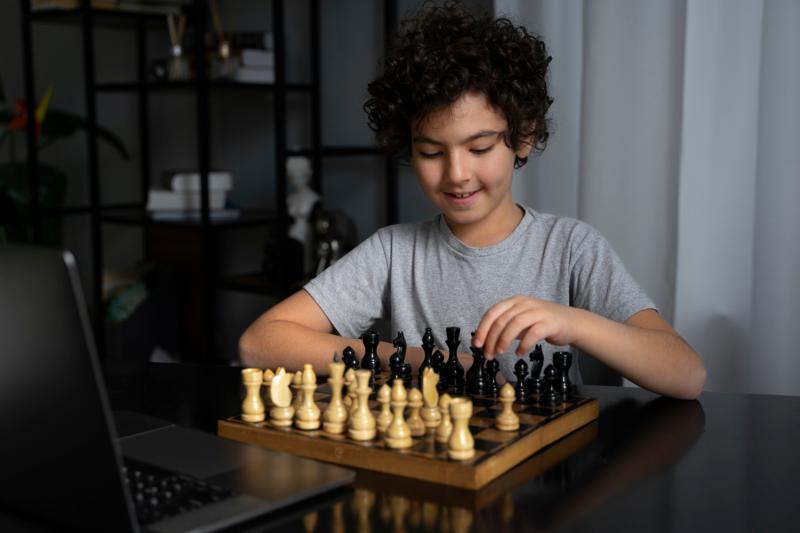
Chess has fascinated minds for centuries. For many children, learning chess becomes more than just a pastime; it shapes the way they think, solve problems, and even approach challenges in daily life. Parents often wonder how to provide the right guidance to their kids. Should they hire a chess coach? Or is online chess coaching for kids more effective and accessible?
This article breaks down the essentials of finding the right mentor, explains the advantages of digital platforms, and offers insights from years of experience helping learners progress from beginners to confident players.
Why Kids Benefit from Learning Chess Early
Introducing children to chess at a young age has long-lasting benefits. Studies show that playing chess improves concentration, boosts memory, and enhances logical thinking. For example, a nine-year-old who struggles with focus in school may find chess a fun way to train their attention span. Solving puzzles or playing short games with friends helps them build patience and decision-making skills naturally.
The early years are ideal for forming habits. Just like learning a musical instrument or a new language, starting chess early gives kids more time to develop skills that stay with them for life.
The Role of a Chess Coach in a Child’s Growth
A skilled chess coach does more than teach the rules. They inspire curiosity, nurture creativity, and make complex strategies simple enough for young learners to grasp. Unlike learning from apps or videos, a coach provides personal feedback.
Imagine two children:
One practices alone using digital puzzles.
Another has a coach who points out not just the mistakes but also explains why those mistakes happened.
The second child learns faster because guidance turns confusion into clarity. A coach can adapt lessons to the child’s pace, something automated tools cannot replicate.
Qualities of a Good Chess Coach
Patience: Kids need encouragement when they struggle.
Adaptability: Every child learns differently; a coach should adjust methods accordingly.
Experience with children: Teaching kids requires a different approach than coaching adults.
For example, some children love stories. A good coach might explain a chess opening by comparing it to a castle under attack, making the lesson fun and memorable.
Why Online Chess Coaching for Kids Has Become Popular
Traditional face-to-face lessons have their charm, but in the last decade, online chess coaching for kids has opened exciting opportunities. Parents no longer need to drive across town for classes. Kids can learn from international-level coaches, all from the comfort of home.
Advantages of Online Learning
Flexibility of schedule: Families can choose class timings that fit around school and activities.
Global access to talent: A child in India can learn from a grandmaster based in Europe.
Interactive tools: Many online platforms use digital boards, puzzles, and game analysis tools that make learning more engaging.
Consider a 12-year-old who learns better with visuals. Online coaching allows the coach to share the screen, highlight moves, and replay games instantly, something harder to do on a physical board.
Common Mistakes Parents Make When Choosing Chess Lessons
Many parents are eager to support their children but unknowingly take missteps. Here are a few to watch out for:
Focusing only on price: While budget matters, the cheapest option may lack the quality and personalized attention needed.
Overloading kids with lessons: Too many sessions can make chess feel like a burden rather than a joy.
Ignoring the child’s interest level: Not every child wants to become a tournament player. Some just want to enjoy the game casually.
The key is balance, allowing children to learn at their own pace, while still challenging them to grow.
How to Choose the Right Path for Your Child
When deciding between hiring a local chess coach or enrolling in online chess coaching for kids, parents should consider the following factors:
Learning style of the child: Does the child enjoy in-person interaction, or are they comfortable using digital platforms?
Goals: Is the aim to compete in tournaments, or simply to build skills and confidence?
Convenience: Online classes save travel time, while in-person sessions may provide a more personal touch.
For many families, a hybrid approach works best. A child might attend local tournaments and occasional in-person lessons while receiving regular online training for structured progress.
The Journey from Beginner to Confident Player
Progress in chess does not happen overnight. A good coach guides children through stages:
Foundations: Learning rules, piece movements, and simple checkmates.
Pattern recognition: Spotting common tactics like forks, pins, and skewers.
Strategic play: Understanding openings, pawn structures, and planning.
Competitive confidence: Applying skills in tournaments or friendly matches.
For instance, a beginner might celebrate their first "Scholar’s Mate," while a more advanced learner feels proud after winning a game through long-term planning. Each milestone motivates the child to keep improving.
Stories of Success Through Coaching
Over the years, I’ve seen many children flourish with the right guidance. One student, age 10, initially struggled with self-confidence. After six months of structured coaching, he not only improved his rating but also developed the courage to participate in local tournaments.
Another student preferred online learning because she lived in a small town with no chess clubs nearby. Through weekly sessions with an international coach, she quickly advanced and found a community of fellow learners online.
These examples show how adaptable chess training can be when tailored to a child’s needs.
Balancing Chess with Other Activities
Parents sometimes worry that chess might consume too much of their child’s time. In reality, playing chess complements academics and other hobbies. The focus and patience children build on the chessboard often transfer to schoolwork, sports, and even creative pursuits.
A healthy balance means:
Setting realistic practice times (e.g., 3–4 hours a week).
Encouraging breaks to avoid mental fatigue.
Allowing children to enjoy chess without pressure.
Chess should remain a positive part of life, not a stressful obligation.
Future of Chess Learning for Kids
With technology advancing, the future of chess education looks even brighter. Interactive AI tutors, virtual reality boards, and global tournaments are making the game more accessible and exciting. Yet, even with all these innovations, the human touch of a chess coach remains irreplaceable.
Children need mentors who understand their emotions, challenges, and growth patterns. Combining human guidance with online tools creates the most effective learning environment.
In conclusion, whether you choose a personal chess coach or explore online chess coaching for kids, the ultimate goal is to make learning enjoyable, meaningful, and consistent. Chess is not just about winning games; it’s about developing resilience, problem-solving skills, and a lifelong love for learning.
By choosing the right path and providing steady support, parents can help their children unlock their full potential through this timeless game.
FAQs
Q1. At what age should a child start learning chess?
Many children begin around ages 5–6, though some start earlier. The key is whether they can focus for short periods and enjoy games.
Q2. Is online coaching as effective as in-person training?
Yes, if the platform is interactive and the coach adapts to the child’s needs. Online coaching offers flexibility and access to skilled trainers worldwide.
Q3. How many hours per week should kids practice chess?
For beginners, 2–3 hours weekly is ideal. Competitive players may need more, but balancing school and other hobbies is important.
Q4. Can chess improve academic performance?
Yes. Chess enhances memory, logical reasoning, and problem-solving skills that transfer to subjects like math and science.
Q5. What should parents look for in a chess coach?
Experience, patience, and the ability to make lessons engaging for kids are essential qualities.
Post Your Ad Here
Comments