Acne Scar Subcision | Effective Treatment for Deep Acne Scars
Learn about acne scar subcision – a proven treatment for rolling and boxcar scars. Discover techniques, recovery time, costs, and why blunt cannula subcision offers better results.
acne-scar-subcision-treatment
What Are Acne Scars?
Acne scars are the permanent marks left behind when severe acne damages the skin. During the healing process, the body produces collagen fibers to repair the wound, but this process is often imperfect, leading to depressed scars such as rolling scars, boxcar scars, and ice-pick scars.
For many people, acne scars can negatively affect self-esteem and overall quality of life, especially when topical treatments or basic skincare solutions fail. This is where subcision for acne scars comes in.
What Is Subcision for Acne Scars?
Subcision, also known as subcutaneous incision-less surgery, is a minor surgical procedure designed to treat depressed acne scars.
The treatment works by breaking the fibrotic strands of tissue that tether scars to deeper layers of the skin, causing indentations. By releasing these bands, the scar base is lifted, and new collagen formation is stimulated for smoother skin.
The technique was first introduced in 1995 by dermatologists in New York, and it has since evolved with advanced tools and approaches to maximize results and minimize downtime.
Traditional Subcision vs. Modern Techniques
Originally, subcision was performed with standard needles (18G, 21G, or 23G) or Nokor needles with sharp blades. While effective, these methods often caused bruising, swelling, and longer recovery times.
Advances in Subcision Include:
-
Blunt Cannula Subcision (Multilayer Technique) – safer and more precise
-
Micro-Subcision tools – tailored for different scar types
-
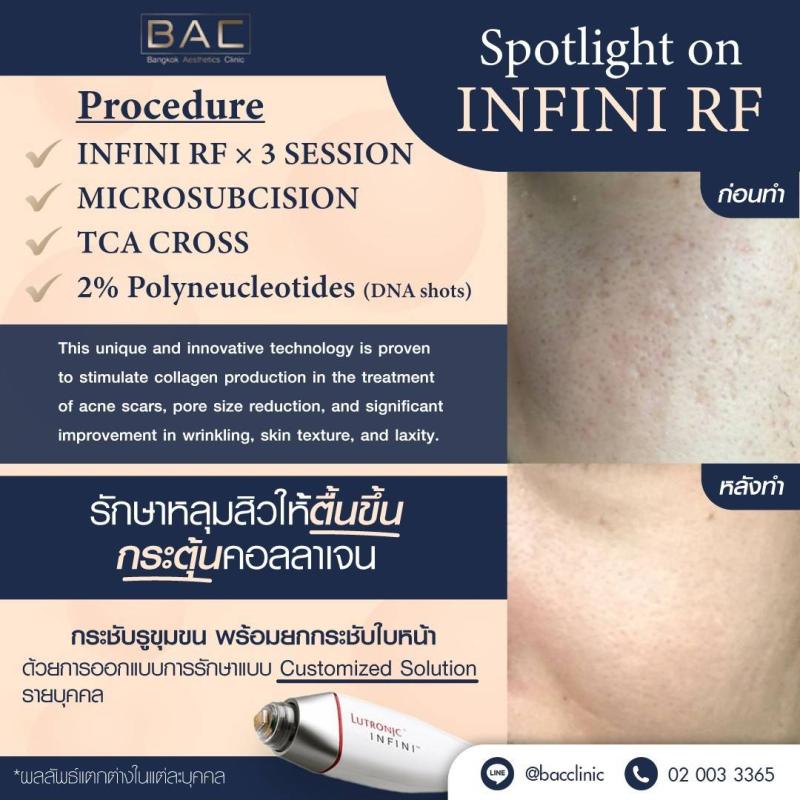
Combination therapies – integrating subcision with lasers, microneedling RF, or dermal fillers
Blunt Cannula Subcision: Why It’s the Gold Standard
Today, many dermatology clinics, including BAC Clinic in Bangkok, use blunt cannulas instead of sharp needles.
Key Benefits:
-
Greater effectiveness – cannulas can release fibrous bands in multiple directions and layers
-
Reduced side effects – less bruising and trauma compared to Nokor needles
-
Customizable – works on deep scars and can be combined with fillers or regenerative treatments
-
Collagen stimulation – injury beneath the scar triggers natural growth factors, leading to long-lasting improvement
Typical Treatment Plan:
-
Sessions needed: 2–5 sessions
-
Recovery time: 2–10 days (depends on scar severity and treatment depth)
-
Procedure time: 20–60 minutes
-
Anesthesia: topical cream or local block
-
Longevity of results: permanent, provided acne is under control
Subcision with Carbon Dioxide (CO₂) Injection: Does It Work?
Some practitioners use CO₂ injection (Carboxytherapy subcision) as a cost-effective method to break scar tissue. However, research shows mixed results.
? A study by Moftha et al. (32 patients, 6 treatment sessions) compared microneedling vs. CO₂ injection. Results showed that microneedling delivered better outcomes, while 12.5% of CO₂ patients had poor response.
➡️ This suggests that microneedling (CIT or Infini MFR RF) remains more effective than CO₂ injection for acne scar remodeling.
How Many Sessions Are Needed?
-
Traditional needle subcision: 5–8 sessions for visible results
-
Blunt cannula subcision: often only 2–4 sessions are required
-
Combination therapy: adding microneedling RF, lasers, or fillers improves outcomes and reduces recurrence
Each person’s collagen remodeling speed varies, so treatment response depends on immune health and scar depth.
Recovery After Subcision
-
Small areas: mild bruising for 1–2 days
-
Larger areas: swelling and bruising may last up to 10 days
-
Downtime: minimal compared to ablative resurfacing methods
-
Aftercare: follow doctor’s instructions carefully to avoid scar recurrence
Is Subcision Suitable for All Acne Scars?
Subcision is most effective for:
-
Rolling scars
-
Boxcar scars with wide bases
⚠️ It is not ideal for:
-
Ice-pick scars → better treated with TCA CROSS or Infini RF
-
Shallow scars → may respond better to laser resurfacing or microneedling
Before You Choose Subcision
If you’re considering acne scar subcision, consult an experienced dermatologist. The right specialist will:
-
Analyze your scar type in 3D
-
Select the correct needle or cannula size
-
Recommend combination treatments for maximum improvement
-
Provide safe aftercare to reduce side effects
Conclusion
Acne scar subcision – especially the blunt cannula multilayer technique – is currently one of the most effective treatments for deep, tethered scars. While results vary, most patients experience long-lasting improvement with minimal downtime.
However, no treatment guarantees 100% scar removal. The best outcomes come from personalized treatment plans combining subcision, microneedling RF, lasers, and fillers.
? Always consult a qualified dermatologist before proceeding, and remember that confidence begins with healthy skin.
✅ Other related treatments at BAC Clinic
-
Infini RF Microneedling for acne scars
-
Picosecond laser for pigmentation and texture
-
Rejuran S injections for scar remodeling
-
Non-surgical skin tightening and rejuvenation
? Contact: 020-033-365
? Line: @bacclinic
? Instagram: @bac_clinic
Learn more https://bangkokacnescarrevision.com/


Post Your Ad Here
Comments