The Transformative Power of Psilocybin Retreats and Psychedelic Healing
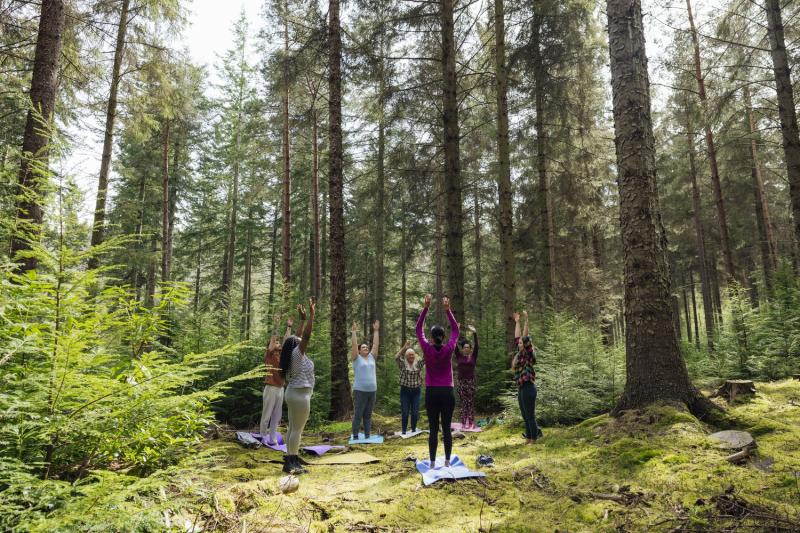
In recent years, the interest in psilocybin retreats and psychedelic retreats has surged as individuals seek alternatives for personal growth, emotional healing, and spiritual awakening. A psilocybin retreat offers a carefully guided environment where participants can explore the therapeutic and mystical dimensions of psilocybin, a naturally occurring psychedelic compound found in certain species of mushrooms. Unlike casual or recreational use, these retreats are structured, intentional, and supported by skilled facilitators who help participants integrate their experiences into meaningful life changes.
What is a Psilocybin Retreat?
A psilocybin retreat is an immersive program designed to provide a safe, supportive space for exploring the effects of psilocybin in a deeply intentional way. These retreats often take place in serene, natural environments—jungles, mountains, or peaceful countryside locations—where distractions are minimized, and the mind is free to expand.
The central element of these retreats is the guided psilocybin ceremony, during which participants ingest carefully measured doses of psilocybin under the supervision of trained facilitators, shamans, or licensed professionals. The retreat setting allows for self-reflection, emotional release, and profound spiritual insights that can be difficult to access in ordinary life.
The Growing Popularity of Psilocybin Retreats
Interest in psilocybin retreats has increased significantly due to growing scientific research highlighting the compound’s therapeutic benefits. Prestigious institutions such as Johns Hopkins University and Imperial College London have published groundbreaking studies showing that psilocybin may help treat depression, anxiety, PTSD, and addiction.
The controlled environment of a psychedelic retreat allows individuals to experience these benefits in a safe and supportive setting. Many participants seek retreats as an alternative to conventional therapy, especially when traditional methods have failed to bring relief.
Benefits of Attending a Psilocybin Retreat
The experiences gained from psilocybin retreats are often described as life-changing. The benefits extend beyond the retreat itself, as participants integrate the insights into their daily lives. Some of the most notable advantages include:
-
Emotional Healing: Many individuals report profound emotional release, helping them work through trauma, grief, or long-held negative patterns.
-
Mental Clarity: Psilocybin can help dissolve mental barriers, offering new perspectives on personal challenges and promoting creative thinking.
-
Spiritual Connection: Participants often describe feelings of unity, oneness, and connection to something greater than themselves.
-
Relief from Depression and Anxiety: Research supports psilocybin’s ability to reduce symptoms of depression and anxiety, often with lasting effects.
-
Breaking Addictive Patterns: Psilocybin-assisted experiences can help people release unhealthy attachments to substances or behaviors.
What to Expect at a Psilocybin Retreat
Attending a psilocybin retreat is not the same as a casual psychedelic experience. These retreats are carefully structured and usually follow a program that includes preparation, the ceremonial experience, and integration.
-
Preparation Phase
Before the retreat begins, facilitators often guide participants through preparatory practices such as meditation, journaling, dietary adjustments, and intention setting. These steps help align the mind and body, ensuring participants enter the retreat with clarity and openness. -
The Psilocybin Ceremony
The core of the retreat is the guided psilocybin session. Participants consume psilocybin mushrooms in a ceremonial setting, often accompanied by music, breathwork, or rituals rooted in indigenous traditions. Facilitators ensure safety, emotional support, and guidance throughout the journey. -
Integration
After the psychedelic journey, integration sessions help participants make sense of their experiences. This may involve group discussions, one-on-one counseling, mindfulness practices, or creative expression. Integration is crucial for transforming insights into long-term changes.
Choosing the Right Psilocybin Retreat
With the increasing demand for psychedelic retreats, choosing the right retreat center is essential. Several factors should be considered:
-
Experienced Facilitators: Ensure the retreat is guided by trained professionals, shamans, or therapists experienced in psychedelic work.
-
Safe Environment: Look for retreats that provide medical support, safe accommodations, and a controlled setting for ceremonies.
-
Integration Support: A high-quality retreat includes post-ceremony integration programs to help participants process their experiences.
-
Location and Setting: Many retreats are held in natural surroundings, such as Costa Rica, Mexico, or the Netherlands, where psilocybin use is legally permitted.
-
Ethical Practices: Choose centers that respect indigenous traditions and approach psilocybin with reverence rather than commercialization.
Psilocybin Retreats vs. Psychedelic Retreats
While the terms are often used interchangeably, there is a subtle difference between psilocybin retreats and psychedelic retreats.
-
Psilocybin Retreats focus specifically on the use of psilocybin mushrooms. The ceremonies and practices revolve around unlocking the healing potential of this particular compound.
-
Psychedelic Retreats, on the other hand, may include other substances such as ayahuasca, LSD, or mescaline, depending on the retreat’s philosophy and legality. These retreats broaden the spectrum of psychedelic healing, offering participants different approaches to self-discovery.
Both types of retreats share the goal of facilitating deep transformation, but the choice depends on personal preferences, intentions, and legal considerations.
Safety and Considerations for Psilocybin Retreats
Safety is paramount in any psilocybin retreat. While psilocybin is considered physiologically safe and non-addictive, the intensity of the psychological experience requires careful handling. Retreats provide a controlled environment where facilitators monitor participants, ensuring their well-being.
However, certain conditions may not be suitable for psilocybin use. Individuals with severe mental health disorders, cardiovascular issues, or those taking specific medications should consult a medical professional before attending. Reputable retreats conduct health screenings to ensure participants are a good fit for the program.
Integration: Bringing the Lessons Home
One of the most vital aspects of a psilocybin retreat is the integration process. The profound insights gained during the psychedelic experience may fade if not applied in daily life. Integration helps anchor these lessons into sustainable habits and perspectives.
Common integration practices include:
-
Meditation and mindfulness exercises
-
Journaling and creative expression
-
Continued therapy or counseling
-
Group sharing and community support
-
Lifestyle adjustments inspired by the retreat
When integration is prioritized, participants often find lasting improvements in mental health, relationships, and overall well-being.
Conclusion: The Future of Psilocybin Retreats
The rising popularity of psilocybin retreats and psychedelic retreats reflects a global shift toward holistic healing and conscious exploration. As research continues to validate the therapeutic potential of psilocybin, more people are turning to retreats as a safe, structured way to access deep transformation.
For those seeking emotional release, spiritual awakening, or relief from mental health challenges, a psilocybin retreat can be a life-changing journey. By combining ancient wisdom with modern therapeutic approaches, these retreats open doors to new possibilities, guiding individuals toward inner peace, clarity, and profound healing.
Post Your Ad Here
Comments