The Evolution of Rolex Watches Through the Decades
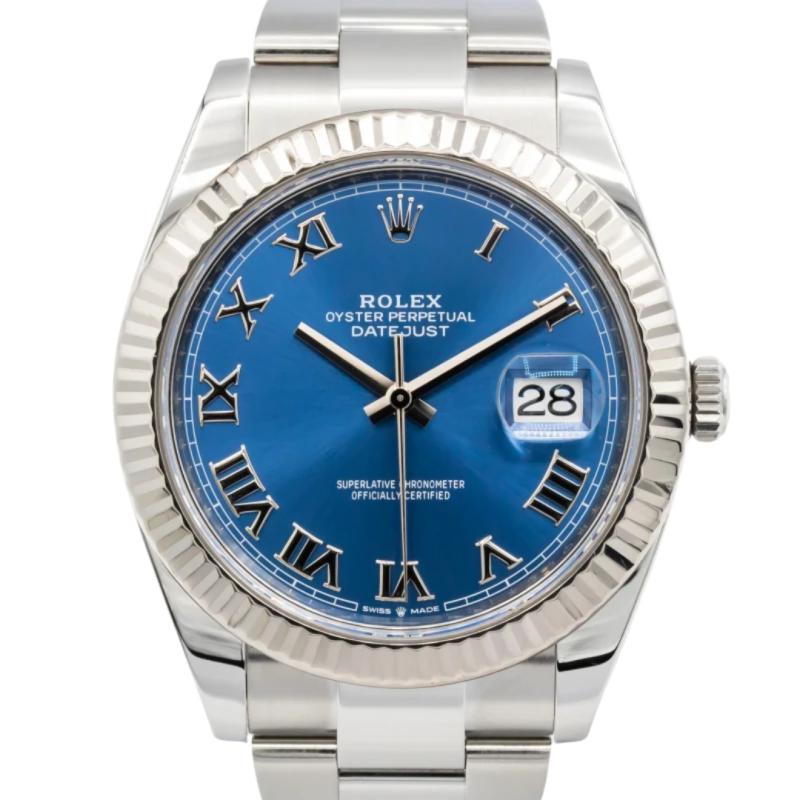
When we think of luxury watches, Rolex is often the first name that comes to mind. Known worldwide for its precision, durability, and timeless design, Rolex has become much more than just a watchmaker. It is a brand that represents success, sophistication, and heritage. Over the decades, Rolex Watches have evolved in remarkable ways, shaping the watch industry and influencing global fashion.
From its early beginnings in the 1900s to becoming one of the most recognizable luxury brands in the world, Rolex has continued to innovate while keeping its classic identity intact. In this article, we will take a closer look at how Rolex Watches have changed through each decade and why trusted sellers like The Diamond Box remain a key part of this legacy by offering genuine timepieces to collectors and enthusiasts.
The Early Years: 1900s to 1920s
The Rolex journey started in 1905 when Hans Wilsdorf founded the company in London. His vision was to create a wristwatch that combined elegance with precision. At a time when pocket watches were still the norm, Wilsdorf believed that wristwatches would become the future.
In 1908, the brand officially adopted the name "Rolex." By 1910, Rolex had achieved something groundbreaking—the first wristwatch to earn a Swiss Certificate of Chronometric Precision. This achievement established Rolex as a watchmaker that prioritized accuracy and quality.
In the 1920s, Rolex introduced the Oyster, the world’s first waterproof wristwatch. This was a major innovation, changing the way people viewed wristwatches. It proved that luxury could also be practical and durable.
The 1930s: Innovation and Exploration
The 1930s marked the beginning of Rolex’s association with exploration and adventure. The brand worked on making watches more reliable in extreme conditions. Rolex timepieces began accompanying explorers, aviators, and adventurers, earning a reputation for toughness and reliability.
During this decade, Rolex continued refining the Oyster case, ensuring it could handle water, dust, and pressure. This dedication to durability laid the foundation for many of the sports models that came later.
The 1940s: Wartime and Functionality
The 1940s was a decade shaped by World War II, and Rolex Watches became known for their resilience during challenging times. Many soldiers and officers wore Rolex, relying on their accuracy in critical moments. The brand also worked on improving legibility and robustness, which became defining traits of its designs.
It was during this time that Rolex strengthened its identity as a watch not only for elegance but also for practicality. The mix of functionality and luxury made Rolex even more desirable after the war ended.
The 1950s: The Birth of Icons
The 1950s is considered one of the most important decades in Rolex history. This was when several iconic models were launched, many of which remain popular today.
In 1953, the Submariner was introduced, a professional diver’s watch that became legendary for its style and utility. Around the same time, the Explorer was released, designed for adventurers climbing mountains and exploring uncharted territories.
Later in the decade, Rolex launched the GMT-Master, created for pilots and frequent travelers who needed to track multiple time zones. Each of these models showed how Rolex was not just about luxury but also about meeting the demands of professionals.
The 1960s: Pop Culture and Professionalism
The 1960s brought Rolex into the world of pop culture. Celebrities, athletes, and leaders were seen wearing Rolex Watches, cementing the brand as a global symbol of success.
This decade also saw the introduction of the Daytona, a chronograph watch made for racing drivers. Named after the famous Daytona International Speedway, this model became an icon of motorsport and eventually one of the most sought-after Rolex watches of all time.
Rolex continued to balance professional utility with refined design, making their watches suitable both for adventure and everyday luxury.
The 1970s: Modern Style and Popularity
The 1970s was a challenging time for the watch industry due to the rise of quartz watches, which were cheaper and highly accurate. However, Rolex stayed committed to mechanical movements and focused on quality rather than mass production.
During this decade, Rolex strengthened its brand identity as a symbol of status and achievement. Wearing a Rolex was no longer just about telling time—it was about making a statement. The Day-Date, often called the "President’s Watch," became associated with leaders, business figures, and influential personalities.
The 1980s: Luxury Lifestyle Symbol
In the 1980s, Rolex truly became a global luxury icon. The brand had already built a reputation for precision and durability, but now it leaned heavily into luxury lifestyle branding. Rolex Watches were seen in movies, advertisements, and celebrity endorsements, making them one of the most recognizable luxury items worldwide.
Collectors started to view Rolex as an investment, as many models increased in value over time. This decade solidified the idea that Rolex was not just a watchmaker but also a status symbol.
The 1990s: Refinement and Expansion
By the 1990s, Rolex had firmly established itself as the world’s leading luxury watch brand. The company continued refining its models with updated technology, better materials, and improved movements. The use of sapphire crystals became more common, offering better scratch resistance.
This decade also saw Rolex expanding its global reach, with more boutiques and authorized sellers opening worldwide. The growing secondary market for Rolex Watches made it even more important for buyers to rely on trusted sellers like The Diamond Box, who ensure authenticity and quality in every watch.
The 2000s: Innovation Meets Tradition
The 2000s marked a balance between tradition and modern innovation. Rolex introduced new materials such as Cerachrom ceramic bezels, which were highly resistant to scratches and fading. The brand also continued developing in-house movements for better precision and reliability.
While technology advanced, Rolex never abandoned its classic designs. The Submariner, Daytona, and Datejust remained as popular as ever, showing how timeless their styles were.
The 2010s: A New Era of Collecting
In the 2010s, the global interest in luxury watch collecting grew rapidly, and Rolex was at the center of this trend. Vintage Rolex Watches began fetching record-breaking prices at auctions, and collectors from around the world competed to own rare models.
This decade also saw Rolex introduce subtle but important updates to their watches, including improved bracelets, better lume for readability, and refined proportions. The balance of tradition and modern craftsmanship made Rolex even more desirable.
The 2020s: Enduring Legacy
Today, Rolex remains the most recognized luxury watch brand in the world. In an era where digital technology dominates, Rolex Watches continue to symbolize craftsmanship, durability, and timeless elegance. The company has stayed true to its heritage while embracing innovation in materials and precision.
Modern buyers now have more choices than ever, from classic models to professional sports watches. The demand for Rolex is so high that waiting lists for new models are common, making the pre-owned market even more important.
This is where trusted sellers like The Diamond Box play a vital role. With so many counterfeit watches in circulation, buyers need reliable sources that guarantee authenticity. The Diamond Box has built a reputation for offering genuine luxury watches, making it a go-to place for collectors and first-time buyers alike.
Why Rolex Watches Continue to Stand Out
The journey of Rolex through the decades shows that the brand is more than just a watchmaker. It is a symbol of progress, tradition, and excellence. Each model has a story, whether it’s tied to exploration, sports, aviation, or elegance.
Unlike trends that fade, Rolex Watches have proven to be timeless. They adapt to each decade while staying true to their original values of precision and durability. This unique balance is what keeps Rolex at the top of the luxury watch world.
Final Thoughts
The evolution of Rolex Watches through the decades is a story of innovation, resilience, and luxury. From the creation of the first waterproof watch to becoming the ultimate symbol of success, Rolex has remained consistent in its mission to deliver the best in watchmaking.
For anyone interested in owning a Rolex today, understanding its history makes the experience even more meaningful. Whether you are buying new or exploring the pre-owned market, always choose trusted sellers like The Diamond Box, who ensure that every watch you purchase is authentic and of the highest quality.
Post Your Ad Here
Comments