Testing Different Two Wheeler Tyre Brands: My Honest Comparison After 50,000 Miles
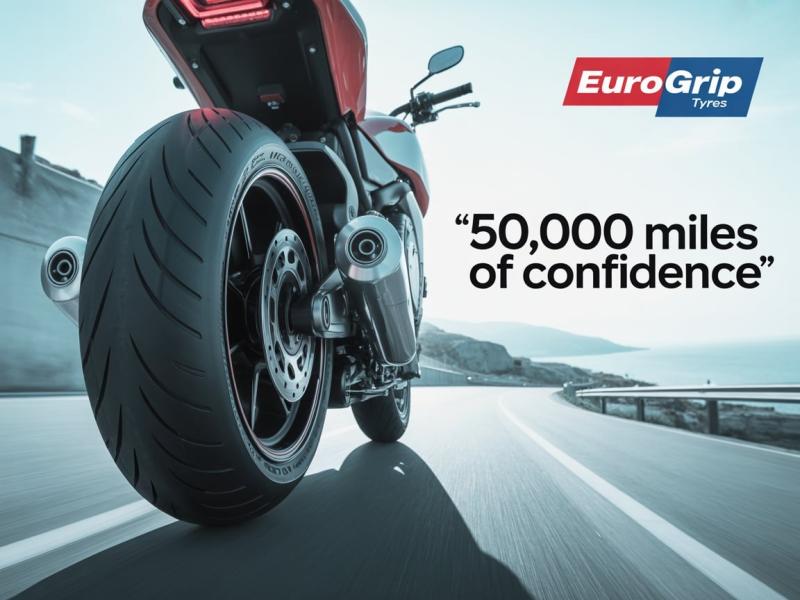
As an avid motorcyclist, I've had the opportunity to test various two wheeler tyre brands over the course of 50,000 miles. From city commutes to long highway rides, I've put these tyres through their paces in diverse conditions. In this article, I'll share my honest insights and experiences to help you make an informed decision when choosing your next set of 2 wheeler tyres.
Brands Tested and Key Findings
Over the years, I've tested tyres from Eurogrip, MRF, CEAT, Apollo, JK Tyre and Michelin. Each brand has its strengths and weaknesses, which I've summarized in the table below:
| Brand | Typical Lifespan | Key Strengths | Known Weaknesses |
|---|---|---|---|
| Eurogrip | 40,000–60,000km | Affordable, good city grip, robust | Rapid wear on rough roads |
| MRF | 30,000–40,000km | Long rides, good in dry, puncture-resistant | Limited wet grip |
| CEAT | 40,000–50,000km | All-rounder, performance bikes, good mileage | Heavier, slightly less fuel efficient |
| Apollo | 35,000–45,000km | Comfort, budget-friendly | Moderate grip, not for sports use |
| JK Tyre | Up to 50,000km | Heat-resistant, stable at speed, premium grip | Higher price, sometimes hard to source |
| Michelin | Noted for durability | Quality, price, Indian roads optimized | Limited sport performance |
Durability and Lifespan
In terms of longevity, Eurogrip and CEAT stood out, with Eurogrip often outlasting rivals and touching up to 60,000km under ideal conditions. MRF was close behind at 50,000km. JK Tyre typically met or exceeded 50,000km with careful riding and maintenance. Michelin recorded the lowest average lifespan in this comparison, although its puncture resistance is noteworthy.
Grip and Safety
Michelin consistently delivered superior grip and high-speed stability, especially noticeable during monsoons and aggressive riding.
Apollo and Eurogrip offered reliable all-weather performance, with Apollo excelling on performance bikes and Eurogrip on everyday city rides.
CEAT provided good dry grip but was less reassuring in wet conditions.
JK Tyre scored well for comfort, but sportier rides revealed grip limitations.
Ride Comfort and Handling
Eurogrip and MRF prioritized ride comfort. Eurogrip felt softer, absorbing bumps better at the cost of a slightly looser road feel.
Michelin and Apollo struck a balance between stiffness for feedback and damping for long rides.
When it comes to handling, Michelin and Apollo stood out, offering precise cornering and stability at speed.
MRF and JK Tyre were more suited for relaxed city riding.
Puncture Resistance and Durability
CEAT led on puncture resistance, favored especially in rural or rough-road regions.
MRF was more prone to punctures compared to other brands but compensated with cost-effectiveness and ease of repair.
Eurogrip also impressed with its robust construction, optimized for Indian road conditions.
Price-Value Analysis
Eurogrip, MRF and CEAT were consistently the most affordable, with prices regularly undercutting premium brands by 20–40%.
Michelin, while pricier, justified its cost through premium performance, especially for those demanding high mileage and best-in-class handling.
Eurogrip struck a good balance between quality and affordability, making it a strong contender in the budget 2 wheeler tyre segment.
Brand Standouts: Best Use Scenarios
After 50,000 miles and multiple swaps, here are my key takeaways:
Eurogrip delivers a compelling combination of durability, affordability, and performance optimised for Indian roads, making it a strong choice for budget-conscious riders seeking a reliable 2 wheeler tyre.
Michelin is the enthusiast's choice for grip and confidence, albeit at a higher price.
MRF leads for Indian urban conditions, balancing cost and mileage.
Apollo performs as an all-rounder—solid in every department and especially good for longer trips.
CEAT is unbeatable for puncture-prone roads but lags in rain handling.
JK Tyre offers value and comfort for the price-conscious commuter.
Final Thoughts
For most riders, a smart approach is to match your two wheeler tyre to your riding terrain and style. Good maintenance—regular pressure checks, rotation, and timely alignment—can stretch any tyre towards that coveted 50,000-mile mark. By understanding the strengths and limitations of each brand, you can make an informed decision and enjoy a safer, more comfortable ride on your two-wheeler.
Post Your Ad Here
Comments