MTB Bikes for Different Terrains Which One Should You Ride
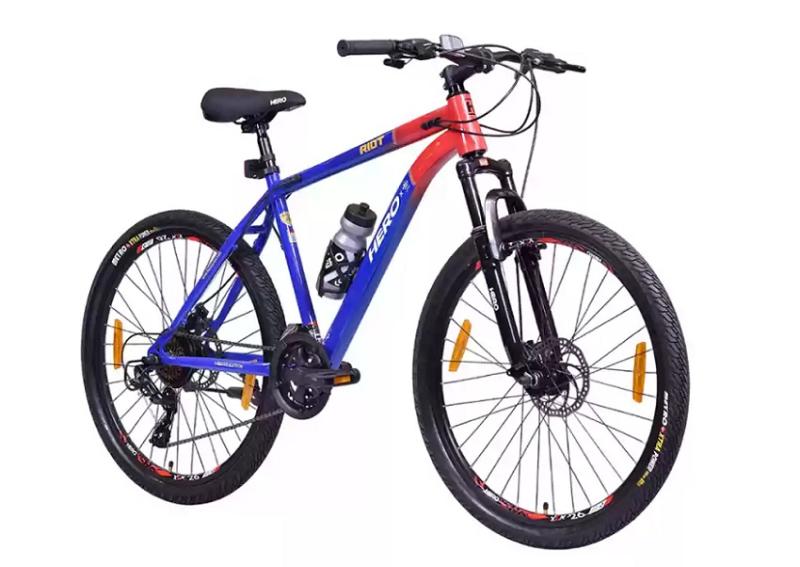
Mountain biking is not just a sport, it’s an adventure, a lifestyle, and for many, a form of meditation. The thrill of navigating uneven trails, the satisfaction of conquering steep climbs, and the freedom of exploring off-the-beaten-path routes are what make mountain biking irresistible. However, not all bikes are created equal. Different terrains demand different designs, features, and performance capabilities.
Choosing the right MTB (mountain terrain bike) for your preferred riding environment can make the difference between a frustrating ride and an unforgettable experience. In this guide, we’ll break down the types of terrain you might encounter, explore the variations in mtb bikes, and help you decide which one will suit your style, goals, and fitness level.
Understanding MTB Bike Basics
Before diving into terrain-specific recommendations, let’s understand what sets an MTB apart from other bicycles.
Frame geometry – Typically designed for stability and control, especially on rough trails.
Suspension systems – Can range from rigid (no suspension) to hardtail (front suspension only) or full suspension (both front and rear).
Gear range – Often includes a wide gear ratio to handle both steep climbs and fast descents.
These elements come together to create a bike that can endure the demands of uneven ground, rapid elevation changes, and technical trail features.
Types of Terrains and the Right MTB for Each
Different terrains challenge both the rider and the bike in unique ways. Picking a bike that matches your terrain will make riding more enjoyable and less physically punishing.
1. Trail Riding
Typical Terrain
Trail riding is the most versatile and common type of mountain biking. It involves a mix of smooth paths, rocky sections, tree roots, and moderate drops.
Best Bike Type
A full-suspension trail bike is ideal here. It strikes a balance between climbing efficiency and downhill control, making it suitable for unpredictable paths.
Key Features to Look For
Suspension travel: 120–150 mm
Balanced geometry for comfort and control
Dropper seatpost for quick saddle height adjustment
Wider tires (2.3–2.6 inches) for improved grip
2. Downhill Riding
Typical Terrain
Downhill (DH) biking takes place on steep, technical descents with jumps, drops, and berms. These trails often require a lift or shuttle to reach the top.
Best Bike Type
A downhill-specific bike with dual-crown forks and heavy-duty suspension is a must. These machines are built for speed and impact absorption, not for climbing.
Key Features to Look For
Suspension travel: 180–200 mm
Heavier, robust frame for maximum durability
Wide handlebars for better control
3. Urban and Mixed Terrain
Typical Terrain
City streets, park trails, and occasional off-road detours. Riders here want versatility rather than extreme terrain performance.
Best Bike Type
A hardtail MTB or even a rigid MTB with semi-slick tires works well. It’s light enough for commuting but tough enough for weekend trail adventures.
Key Features to Look For
Lockout suspension for pavement rides
Medium-width tires for balance between grip and speed
Durable frame to handle curbs and potholes
Suspension Matters: Rigid vs Hardtail vs Full Suspension
Your choice of suspension setup can dramatically affect comfort, efficiency, and control.
Rigid bikes – No suspension; ideal for beginners or budget-conscious riders on mild trails.
Hardtail bikes – Front suspension only; great for climbing and less maintenance.
Full suspension bikes – Front and rear suspension; ideal for technical and rough terrain.
Wheel Size Considerations
Wheel size influences both ride feel and capability.
26-inch wheels – More maneuverable, suitable for technical riding and smaller riders.
27.5-inch wheels – A compromise between agility and rolling efficiency.
29-inch wheels – Best for rolling over obstacles and maintaining momentum on long rides.
Tire Tread and Pressure for Different Surfaces
Choosing the right tires is just as important as choosing the right frame.
Smooth, low-profile treads – For packed dirt and urban rides.
Knobby, aggressive treads – For loose soil, gravel, or muddy conditions.
Adjusting tire pressure for terrain can also improve performance, lower pressure offers more traction, while higher pressure rolls faster on smooth ground.
MTB Bikes in the Indian Context
In recent years, the popularity of mtb bikes has grown significantly, partly due to the availability of better infrastructure and the increasing interest in fitness-oriented lifestyles.
When exploring options for cycles in India, it’s worth considering not just the terrain you’ll ride on most often but also the availability of replacement parts and servicing. A well-chosen bike will serve you well across different regions without compromising performance.
Budgeting for the Right MTB
Your budget will dictate not just the bike’s quality but also its long-term performance. While entry-level bikes are fine for casual riding, serious riders should invest in mid- to high-end models with better components. This ensures smoother shifting, stronger brakes, and better suspension reliability.
Maintenance Considerations
Regular maintenance will keep your bike running smoothly and extend its life.
Clean the drivetrain after muddy rides.
Check tire pressure before every ride.
Inspect brake pads regularly.
Keep the suspension serviced according to the manufacturer’s schedule.
Test Ride Before You Buy
A test ride can reveal a lot about how a bike feels under your control. Pay attention to comfort, handling, and responsiveness. Even the best-reviewed bike might not be the right one for your riding style.
Choosing an MTB Bikes is all about matching the capabilities to your preferred terrain. Whether you’re speeding along smooth trails, navigating rocky singletracks, or exploring sandy beaches, there’s an MTB designed for the task. By understanding the relationship between terrain type, suspension setup, wheel size, and tire design, you can make an informed decision.
In the growing market for cycles in India, variety is no longer an issue, it’s about finding the perfect balance between comfort, durability, and terrain compatibility. With the right choice, every ride can be an adventure, and every trail a new story waiting to be told.
Post Your Ad Here
Comments