How to Inspect a Used Car Before Buying
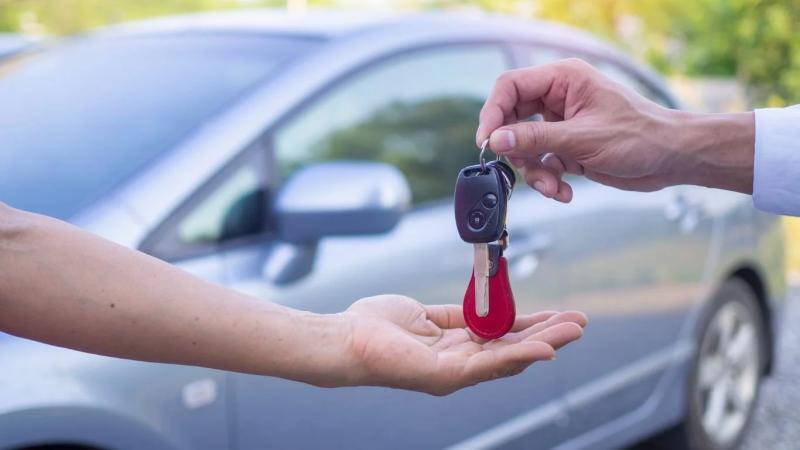
Buying a used car can be a cost-effective way to get a reliable vehicle, but it comes with risks. A car that looks good on the outside may hide serious mechanical or structural issues. Conducting a proper inspection before making a purchase is essential to ensure that the vehicle is safe, functional, and worth the investment.
Start with the Exterior
The exterior of the car is the first thing buyers notice. Look carefully for signs of damage, rust, or uneven paintwork. Small dents or scratches are normal for older cars, but large or inconsistent patches of paint may indicate past accidents or repairs.
Check the alignment of doors, panels, and bumpers. Misaligned parts can suggest structural damage from a collision. Examine the tyres for tread depth and even wear, as uneven wear may point to suspension or wheel alignment problems.
It is also important to inspect the glass for cracks or chips. Windshield damage can compromise safety and lead to costly repairs.
Inspect the Engine and Mechanical Components
The engine is the heart of the vehicle, so it requires careful attention. Open the bonnet and check for leaks, corrosion, or worn belts and hoses. Look for signs of oil or coolant leaks, as these can indicate expensive problems.
Check the battery for corrosion and ensure the terminals are clean. Turn the ignition and listen for unusual noises, such as grinding or knocking. The engine should start smoothly and run steadily without excessive smoke.
Transmission is another critical component. Automatic vehicles should shift gears smoothly, while manual vehicles should have a clutch that engages without slipping or sticking.
Examine the Interior
The interior condition reflects how well the car has been maintained. Inspect the seats, carpets, and dashboard for wear, stains, or damage. Check that all buttons, controls, and electronics work correctly, including the air conditioning, lights, and infotainment system.
Pay attention to odours inside the car. Strong smells from smoke, pets, or mildew may indicate neglect or hidden water damage. Make sure the seatbelts and airbags are functional, as these are essential for safety.
Test the Vehicle on the Road
A test drive is one of the most important steps in evaluating a used car. Observe how the car accelerates, brakes, and handles corners. Listen for unusual sounds such as rattling, squeaking, or vibrations, which may indicate mechanical issues.
Check the steering responsiveness and suspension. The car should track straight on a level road without pulling to one side. Ensure that the brakes are effective and do not make grinding or squealing noises.
Test all gears in automatic and manual transmissions and observe for smooth transitions. Pay attention to the clutch in manual cars and ensure it engages properly.
Review the Vehicle History
A vehicle history report provides information about past accidents, service records, and ownership details. In Australia, services like REVS check can reveal whether a car has any outstanding finance or has been written off in an accident.
Verify the registration papers, service history, and odometer readings. Consistent maintenance records indicate that the car has been cared for over its lifetime. Discrepancies may suggest tampering or neglect.
Look for Signs of Hidden Damage
Some damage may not be immediately visible. Check the undercarriage for rust, corrosion, or leaks. Inspect wheel wells and suspension components for signs of wear or damage.
Also examine the engine bay for mismatched parts or evidence of recent repairs. New parts in an older vehicle may indicate past mechanical problems. Take time to inspect the exhaust system for leaks or damage, as repairs can be costly.
Evaluate the Electronics and Safety Features
Modern vehicles rely on electronic systems for safety and convenience. Test all electronic functions, including lights, indicators, windshield wipers, horn, and parking sensors. Ensure that airbags and other safety devices have not been deployed or damaged.
Check the dashboard for warning lights that remain illuminated after starting the car. Persistent warning lights may indicate issues that require attention.
Professional Inspection
Even with careful checks, some issues may not be visible to the untrained eye. Hiring a qualified mechanic to perform a pre-purchase inspection can reveal hidden problems, from engine faults to structural damage.
Mechanics can provide a detailed report of the car’s condition, helping buyers make informed decisions. This step may save significant repair costs and reduce the risk of purchasing a problematic vehicle.
Selling or Buying Damaged Vehicles
Sometimes buyers may be interested in vehicles that are slightly damaged or require repairs. For sellers who need to sell quickly, services that specialise in buying damaged cars provide a practical solution. Companies such as Cash for Cars Sydney offer cash for vehicles regardless of their condition. By using such services, sellers can avoid costly repairs and legal paperwork while receiving a fair assessment based on the car’s remaining value. This connection between inspection, condition, and resale demonstrates why understanding a vehicle’s state before buying is crucial for both buyers and sellers.
Conclusion
Inspecting a used car before buying is essential to ensure safety, reliability, and value for money. By checking the exterior, engine, interior, and electronics, conducting a test drive, reviewing history, and considering a professional inspection, buyers can avoid costly mistakes. Understanding hidden issues and the vehicle’s overall condition helps buyers make confident decisions and ensures that the car purchased meets expectations.
Post Your Ad Here
Comments