Workplace Violence: Detection, Prevention, and Protocols for Business Leaders
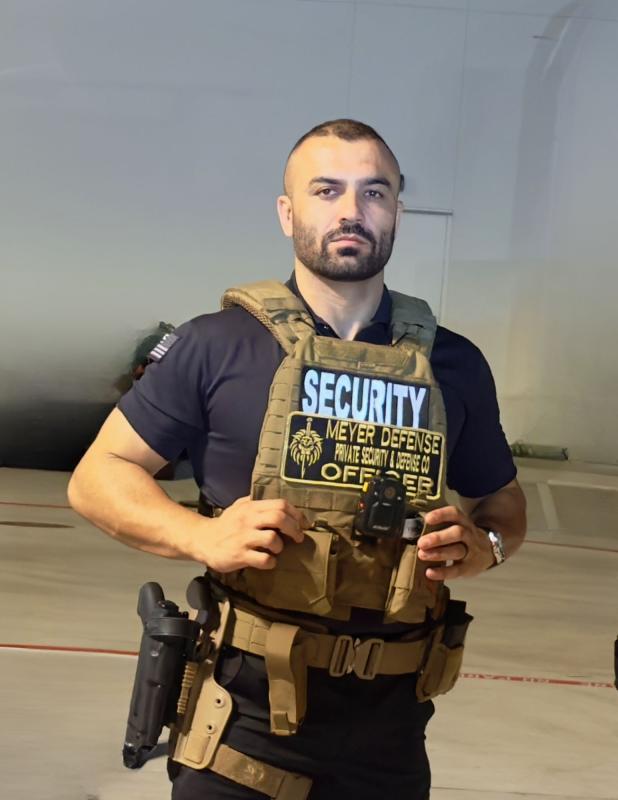
By Jason Essazay, Founder of Meyer Defense, Inc.
Workplace violence is one of the most pressing but least prepared-for risks businesses face today. While it often makes headlines only after a tragedy, most incidents are preventable when leaders know the warning signs, establish strong protocols, and handle employee separations with professionalism and care.
At Meyer Defense, we specialize in helping businesses navigate these difficult situations. Over the years, I’ve seen firsthand how quickly tension can escalate, and how the right approach can turn a potentially volatile situation into a safe, controlled outcome.
Recognizing the Warning Signs
Employees rarely “snap” without warning. More often, their behavior follows a pattern that managers can identify if they know what to look for. Common indicators of a disgruntled or potentially hostile employee include:
-
Insubordination: Repeated refusal to follow instructions, subtle defiance, or disregard for workplace policies.
-
Verbal hostility: Inappropriate jokes, muttered threats, or aggressive language toward coworkers or supervisors.
-
Withdrawal: Isolation from teammates, avoiding interaction, or disengaging from the work environment.
-
Persistent grievances: A fixation on perceived unfair treatment or management bias, often voiced repeatedly.
-
Escalation: Visible anger, threatening gestures, or outright verbal threats.
The earlier these behaviors are documented and addressed, the easier it is to intervene constructively before the situation worsens.
Prevention Through Planning
Managers have a responsibility not only to their company but to their employees’ safety. Prevention requires planning and consistent follow-through. Key steps include:
-
Document incidents of insubordination or threats in real time and ensure HR and legal teams are involved.
-
Schedule terminations strategically. In my own practice, I often recommend scheduling them on a Friday, which allows individuals the weekend to process the decision privately before returning to a normal weekly routine.
-
Designate a safe environment for separations, with clear exit routes and appropriate personnel present.
-
Train supervisors and staff on de-escalation skills, including maintaining calm body language, using respectful but firm communication, and knowing when to call for support.
-
Leverage professional security presence when needed. Even if discreet, trained security officers act as both a deterrent and a stabilizing influence.
A Case Example: Managing a Volatile Termination
A few months ago, Meyer Defense was asked to assist a major logistics company during the termination of an employee who had already made verbal threats toward a supervisor.
I arrived with three of my officers, all equipped with body-worn cameras and trained in de-escalation. Our approach was clear: maintain professionalism, show respect, and give the individual safe options for departure.
When the employee arrived, he was visibly angry, raising his voice, pacing, and expressing feelings of being wronged. Instead of responding in kind, we applied verbal de-escalation techniques. Calm, steady communication, paired with confident but non-threatening postures, helped reduce the intensity of the moment.
The employee was escorted out without physical intervention. Our team ensured he left the premises safely, while management and other staff remained protected. The company avoided what could have been a disruptive or dangerous escalation.
Lessons for Business Leaders
Workplace violence prevention is not a one-time event. It’s a mindset that requires vigilance and preparation. Leaders should take away several key principles:
-
Pay attention to early warning signs. Small behaviors often foreshadow larger problems.
-
Handle separations with structure and respect. A well-planned termination reduces risk for everyone.
-
Have clear protocols. Employees should know how to respond if a colleague becomes threatening.
-
Use professional support when necessary. Security officers bring training, experience, and neutrality that can make high-risk situations safer.
At Meyer Defense, our mission is to help companies protect their people and their operations. Prevention, preparation, and professionalism are the cornerstones of workplace safety, and they are investments no business can afford to overlook.

Post Your Ad Here
Comments