Understanding Supreme Court Rulings on Inherited Property
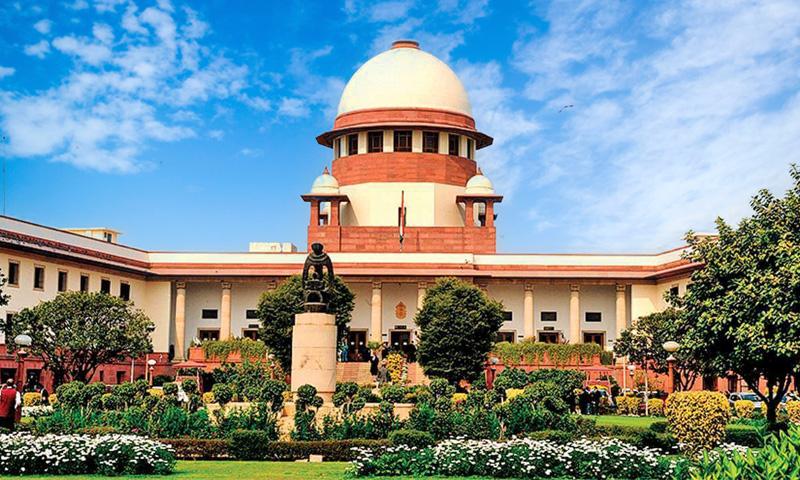
Inherited property has been a controversial subject in families in India since the earliest times, resulting in litigation that reaches the courts. In recent years, persistent pending litigation has combined with Supreme Court decisions to give citizens much more knowledge of their rights and responsibilities. If you are a landowner, legal professional or family member seeking to gain greater knowledge of inherited property, you do not want to be unaware of how the Supreme Court interprets these laws. For further discussion on property-related guidelines, you can read Andhra Pradesh Land Records by BASIC Home Loan which features how digitisation is transforming ownership verification.
A legal context of inherited property in India
Inheritance in Indian law is predominantly guided by the inlaws of the Hindu Succession Act, 1956, and certain inlaws under Muslim personal laws, laws for Christians and under Parsi personal laws. According to data provided by the government, almost 65% of the cases dealt with in Indian courts involve properties that are partitioned based on inheritance and succession.
The Supreme Court plays an important part in dealing with these matters by interpreting legislation and removing unnecessary overlap or complexity, and ensuring fairness and equality, particularly with due regard to issues, for instance, relating to daughters' rights to property, dividing a family property through a family settlement, and succession certificates - decitions from the Supreme Court have simplified litigation.
Important Supreme Court Decisions on Inherited Property
1. Equal Rights for Daughters (2020 Landmark Judgment)
In August 2020, the Supreme Court made it clear that daughters have equal coparcenary rights over HUF property, regardless of whether the father was alive on the amendment date of the law (2005). The ruling affected nearly 30 crore women in India, furthering gender equality with regard to property.
2. Wills and Disputed Properties
The Court was clear that registered wills are given greater evidentiary weight in respect of inheritance disputes. However, if any heirs contest it, courts must assess will's intent, authenticity, and whether or not it was a fair will.
3. Ancestral Property vs. Self-Acquired Property
The Supreme Court holds a distinction between ancestral property, which must be divided equally amongst heirs, as opposed to self-acquired property, which an individual can will. There has been a significant reduction in rural disputes (approximately 40%), according to National Legal Services Authority (NALSA).
Comparative Table: Ancestral vs. Self-Acquired Property
Impact of Supreme Court Decisions on Families & Society
Dispute Reduction: Digitisation and clearly defined legal definition have decreased the number of land/property cases by almost 25% since 2019. Loan Access: Banks now accept digital records of the property and it's easy for families to apply for home loans. Women Empowerment: The recognition of equal rights for daughters in ancestral property has increased women's ownership of land by 18% across rural India.How to Protect your Rights Inherited Property
Always register will and partition of property. Use digital portals, such as state land record websites to see if the property you were given as a child exists. Where possible, decide upon legal mediation. The average property dispute in India takes about 13 years to resolve in court. Always endeavour to understand new Supreme Court directions. For more information you can check this article: Supreme Court Rulings on Ancestral Property By Basic Home Loan
Conclusion
The Supreme Court's decisions on inherited property have had a monumental impact on India's legal and social framework. From gender equality in inherited rights to clarifying, ownership rules which facilitate entitlement to land ownership, these judgements promote fairness and a reasoned framework families can rely on. If you face an inherited matter it is important to remain informed and consult with legal experts to avoid years of dispute.
India is moving towards greater transparency in land ownership - something both judicial decisions and digital governance can advance. Knowing your rights today will help protect your family for tomorrow.
FAQs
Q1. What is the definition of ancestral property and inherited property?
Ans: Ancestral property is property that has passed, without partition, in the male line up to four generations. Inherited property consists of ancestral property and property inherited via a will or by succession.
Q2. Are daughters entitled to property rights on inherited property?
Ans: Daughters have equal rights in HUF property, regardless of how or when they were born or when the property came into existence, according to the 2020 judgment from the supreme court.
Q3. Can anyone inherit from self-acquired property?
Ans: Self-acquired property can be bequeathed to anyone by the owner. In the absence of a will, the property will be distributed under the succession provisions.
Q4. How long does it take to resolve inheritance property disputes in India?
Ans: It takes, on average, 12--15 years to resolve property disputes in India. However, the introduction of online mediation and digital land records may reduce time scales.
Q5. Can contested inherited property only be from registered wills?
Ans: Although registration is not required, the supreme court has indicated the circumstances by which registered wills can be given more weight in a dispute than unregistered wills. Thus, it would be prudent to register any will.
1 people like it

Advertise on APSense
This advertising space is available.
Post Your Ad Here
Post Your Ad Here
Comments