Edge Computing and IoT: Powering Real-Time Innovation
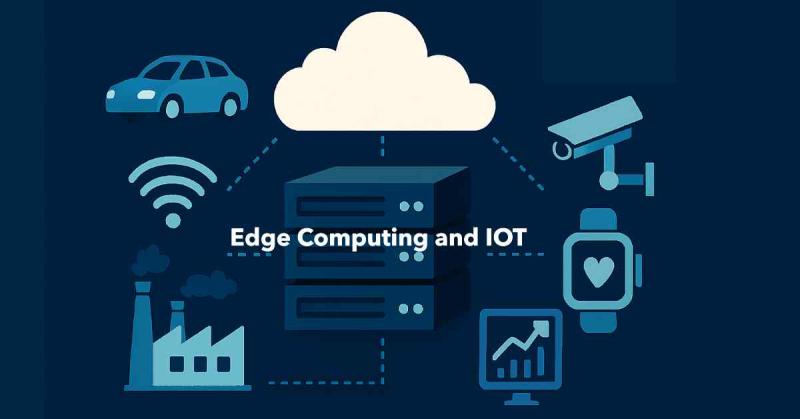
The convergence of Edge Computing and the Internet of Things (IoT) is revolutionizing industries by enabling real-time data processing, reducing latency, and driving innovation at an unprecedented scale. With IoT devices projected to exceed 55 billion by 2025, according to IDC, the demand for efficient, scalable, and secure data processing solutions has never been greater. Edge computing addresses these needs by bringing computation and data storage closer to the source of data generation, complementing the massive growth of IoT ecosystems. This article explores how edge computing and IoT are powering real-time innovation, their benefits, challenges, and future potential, while incorporating insights on how Co-Managed IT can enhance their implementation.
What is Edge Computing?
Edge computing refers to the practice of processing data near its source, at the "edge" of the network, rather than relying solely on centralized cloud servers. By decentralizing computation, edge computing minimizes latency, reduces bandwidth usage, and enhances data security. This is particularly critical for IoT devices, which generate vast amounts of data in real time, often requiring immediate processing for actionable insights.
Unlike traditional cloud computing, where data is sent to a centralized server for processing, edge computing leverages local devices, gateways, or edge servers to handle data. This approach is ideal for applications requiring low latency, such as autonomous vehicles, smart cities, and industrial automation.
Key Features of Edge Computing
Low Latency: Processing data locally reduces the time it takes to analyze and act on information.
Bandwidth Efficiency: By filtering and processing data at the edge, only relevant data is sent to the cloud, reducing network congestion.
Enhanced Security: Local data processing minimizes the risk of data breaches during transmission.
Scalability: Edge computing supports the growing number of IoT devices by distributing computational workloads.
The Role of IoT in Modern Innovation
The Internet of Things connects billions of devices—from smart thermostats to industrial sensors—enabling seamless data collection and communication. IoT devices generate massive volumes of data, which, when analyzed effectively, can optimize operations, improve customer experiences, and drive innovation across sectors like healthcare, manufacturing, and transportation.
However, the sheer volume of IoT data poses challenges for traditional cloud-based systems. Centralized processing can lead to delays, high bandwidth costs, and security vulnerabilities. This is where edge computing steps in, providing a decentralized framework to handle IoT data efficiently.
IoT Applications Driving Real-Time Innovation
Smart Cities: IoT sensors monitor traffic, air quality, and energy usage, enabling real-time urban planning and resource optimization.
Healthcare: Wearable devices and remote monitoring systems provide real-time patient data, improving diagnostics and treatment.
Manufacturing: IoT-enabled predictive maintenance reduces downtime by analyzing equipment data at the edge.
Retail: Smart shelves and IoT beacons enhance customer experiences through personalized offers and inventory management.
How Edge Computing Enhances IoT Performance
The synergy between edge computing and IoT is a game-changer for real-time applications. By processing data locally, edge computing addresses the limitations of cloud-centric models, enabling faster decision-making and improved efficiency. Below are the key ways edge computing enhances IoT performance:
1. Reduced Latency for Real-Time Applications
Many IoT applications, such as autonomous vehicles or robotic surgery, require split-second decision-making. Sending data to a distant cloud server introduces latency that can compromise performance. Edge computing processes data locally, ensuring near-instantaneous responses. For example, in autonomous vehicles, edge computing enables real-time analysis of sensor data to avoid collisions or navigate obstacles.
2. Bandwidth Optimization
IoT devices generate terabytes of data daily, overwhelming network bandwidth when sent to the cloud. Edge computing filters and processes data locally, sending only essential information to centralized servers. This reduces network congestion and lowers operational costs, making IoT deployments more scalable.
3. Improved Data Security and Privacy
Transmitting sensitive IoT data to the cloud increases the risk of interception or breaches. Edge computing minimizes this risk by processing data locally, ensuring compliance with regulations like GDPR and HIPAA. For instance, in healthcare, patient data can be analyzed on local edge devices, reducing exposure to external threats.
4. Enhanced Reliability
Edge computing ensures IoT systems remain operational even during network outages. By processing data locally, edge devices can continue functioning independently of cloud connectivity, which is critical for mission-critical applications like industrial automation or disaster response.
5. Cost Efficiency
By reducing the volume of data sent to the cloud, edge computing lowers bandwidth and storage costs. Additionally, managed IT services can streamline edge computing deployments, offering expertise in infrastructure setup, maintenance, and optimization, further reducing operational expenses.
Real-World Applications of Edge Computing and IoT
The combination of edge computing and IoT is driving innovation across diverse industries. Below are some real-world applications showcasing their transformative potential:
Smart Cities
In smart cities, IoT sensors collect data on traffic patterns, energy consumption, and environmental conditions. Edge computing processes this data locally to optimize traffic flow, reduce energy waste, and improve public safety. For example, edge-enabled traffic lights can adjust signals in real time based on traffic density, reducing congestion and emissions.
Healthcare
IoT devices like wearable health monitors and smart implants generate continuous patient data. Edge computing enables real-time analysis of this data, allowing healthcare providers to detect anomalies and respond promptly. For instance, edge devices can alert doctors to irregular heart rhythms, enabling timely interventions without relying on cloud connectivity.
Industrial IoT (IIoT)
In manufacturing, IoT sensors monitor equipment performance, while edge computing analyzes data to predict maintenance needs. This predictive maintenance approach minimizes downtime and extends equipment lifespan. Companies leveraging managed IT services can ensure seamless integration of edge computing solutions into their IIoT infrastructure.
Retail and E-Commerce
Retailers use IoT devices like smart shelves and beacons to track inventory and personalize customer experiences. Edge computing processes this data locally to deliver real-time promotions or restock alerts, enhancing operational efficiency and customer satisfaction.
Autonomous Vehicles
Self-driving cars rely on IoT sensors to collect data on their surroundings. Edge computing processes this data in real time to make split-second decisions, such as braking or changing lanes. This ensures safety and reliability, even in areas with limited network coverage.
Challenges of Implementing Edge Computing and IoT
While the benefits are significant, integrating edge computing with IoT presents several challenges:
1. Infrastructure Complexity
Deploying edge computing infrastructure requires significant investment in hardware, software, and connectivity. Organizations must balance the cost of edge devices with their performance requirements. Partnering with managed IT services can simplify this process by providing expertise in infrastructure design and deployment.
2. Security Concerns
While edge computing enhances data security by processing locally, edge devices themselves can be vulnerable to cyberattacks. Ensuring robust security protocols, such as encryption and secure boot mechanisms, is critical to protecting IoT ecosystems.
3. Interoperability
The IoT landscape is fragmented, with devices using different protocols and standards. Ensuring seamless communication between edge devices and IoT systems requires standardized frameworks and interoperability solutions.
4. Scalability
As IoT deployments grow, managing thousands of edge devices becomes complex. Organizations need scalable management systems to monitor and update edge infrastructure efficiently.
5. Data Management
Edge computing generates large volumes of data that must be filtered, stored, and analyzed effectively. Developing efficient data management strategies is essential to maximizing the value of IoT insights.
The Role of Managed IT Services in Edge Computing and IoT
Managed IT services play a pivotal role in overcoming the challenges of edge computing and IoT deployments. These services provide end-to-end solutions, from infrastructure setup to ongoing maintenance and security. Key benefits include:
Expertise: Managed IT providers offer specialized knowledge in edge computing and IoT technologies, ensuring optimal system design and implementation.
Cost Savings: By outsourcing infrastructure management, organizations can reduce capital expenditures and operational costs.
Security: Managed IT services implement robust security measures, such as firewalls and intrusion detection systems, to protect edge devices and IoT networks.
Scalability: Providers offer scalable solutions to accommodate growing IoT ecosystems, ensuring seamless performance as deployments expand.
Maintenance: Regular updates and monitoring

Post Your Ad Here
Comments