Reusable Paper Containers for Packing Leftovers Design Trends for 2025
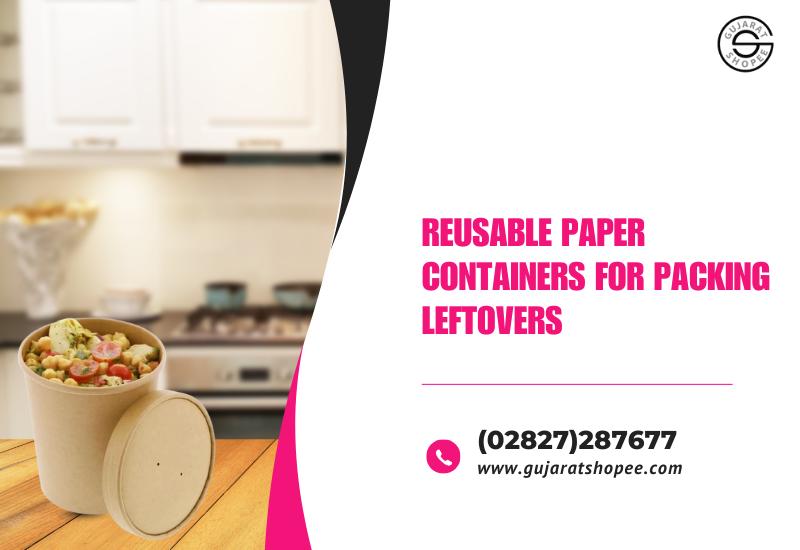
As sustainability continues to lead the way in consumer preferences, reusable paper containers for packing leftovers are booming in both homes and food service. 2025 brings exciting design trends that balance environmental responsibility with functionality, durability, and modern aesthetics. These evolving trends present unique opportunities for eco-conscious brands, restaurants, and individuals looking to minimize waste while remaining stylish and practical.
1. Eco-Conscious Materials with Enhanced Durability
The biggest change in 2025: reusable paper containers are no longer flimsy. Modern designs incorporate reinforced kraft paper—often layered with recyclable or compostable coatings such as water-based lacquers or sugarcane pulp. These materials deliver improved grease resistance, water resistance, and structural strength, ensuring containers reliably store everything from steamy pasta to juicy curries.
Many manufacturers now blend in food-safe PLA coating (polylactic acid derived from maize) or plant-based waxes, providing sealed surfaces that can be rinsed and reused multiple times before recycling or composting. The result? Reusable paper containers for packing leftovers that feel premium and perform like single-use alternatives—without the environmental guilt.
2. Modular and Collapsible Designs
Space matters—especially for both food businesses and households juggling storage. That’s why 2025 trends are leaning into modular, nesting designs. Many reusable paper containers now have zip-and-fold features, enabling them to collapse flat when empty, taking minimal shelf space in the fridge or pantry. Stackable designs with interlocking lids help with organized kitchen storage, making remaining food easier to locate and reducing clutter.
These collapsible features make them especially appealing for restaurants and cloud kitchens needing compact back-of-house storage solutions, as well as busy home cooks managing limited cabinet space.
3. Smarter Lids for Better Sealing & Reheating
One pitfall of traditional paper containers was leakage and poor sealing. 2025 designs counter that with integrated silicone seals or paper-board locking flaps that snap securely in place—ensuring sauces and soups stay sealed, even when carried in delivery bags.
Another growing innovation: microwave-safe variants that come with lids designed for reheating. Some feature steam vents or QR-coded guides indicating safe reheating times and instructions, combining user-friendly design with storytelling about sustainability. This aligns well with customers seeking practical and eco-friendly food storage options.
4. Aesthetic Enhancements & Custom Printing
Reusable doesn’t mean plain. In 2025, branded eco-packaging is elevated through eye-catching designs and customizable prints. Kraft paper now serves as a canvas for screen printing, embossing, or digital print—displaying elegant patterns, earthy tones, or sophisticated brand logos. Many designs draw inspiration from minimalist color palettes, nature motifs, or subtle textures that align with modern interiors and kitchen setups.
Restaurants and food businesses are increasingly using such containers to reinforce brand identity and storytelling. A locally themed illustration, brand motto, or sustainability pledge becomes part of the packaging’s visual appeal, reinforcing brand values with every use.
5. Smart Packaging Integration & QR Codes
The 2025 wave of reusable packaging doesn’t shy away from technology. Many containers now include QR codes or smart tags printed right onto the kraft surface. When scanned, customers access recipe ideas, reheating tips, or even loyalty programs for returning the container—encouraging reuse.
Some businesses offer incentives: “Bring back your container for a discount,” boosting sustainable habits. Others integrate these reusable containers into their waste-reduction goals and customer engagement strategies, all communicated through these smart features.
6. Color Trends & Finishes That Feel Natural
Color palettes are moving away from sterile white toward earthy, muted tones—terracotta, sage, oatmeal, and charcoal. This shift reflects customer preference for natural aesthetics and is a perfect match for kraft paper textures. Matte finishes and tactile coatings (like subtle linen embossing) further elevate the sensory experience.
These nuanced design choices integrate seamlessly with modern kitchen decor—organic, warm, and subtly elegant—ideal for food blogs, Instagram-ready plating, and restaurant branding.
7. Multi-Purpose & Modular Pairing
In 2025, we’re seeing multi-box sets—containers that pair with matching storage trays, partitioned dividers, or condiment cups. This modular system is perfect for sushi, build-your-own bowls, or meal kits. It supports portion control and on-the-go dining while maintaining reusable convenience.
These sets simplify meal prep and thoughtful presentation, offering a cohesive and polished look—from the kitchen to the customer’s fridge.
8. Washability & Care Tips Included on Packaging
Reusable by design, but only effective with the right care—2025 models now include printed care instructions directly on the container. Simple icons outline how to rinse, dishwasher-safe details (if applicable), and when it’s time to compost or recycle. These user-friendly labels empower consumers to extend each container’s lifespan—critical for building genuine sustainable habits.
9. Bulk Ordering & Customization for Businesses
Food businesses in 2025 can choose from bulk-standard styles or fully custom-printed lines. Wholesale tiers often lower per-unit cost—appealing for high-volume operations. Custom packaging boosts brand image while emphasizing sustainability—perfect for local cafés, meal-kit services, cloud kitchens, or office catering platforms.
Gujarat Shopee’s category for paper-container-food-disposable provides access to kraft paper containers that can incorporate many of these modern trends—like reinforced walls, custom lids, and compatibility with branding options.
10. Real-World Inspiration — Where Design Meets Purpose
-
Urban cafés: Using collapsible, branded containers with matte black prints and plant-based seal coatings, cafés offer chic and sustainable takeaway options.
-
Meal-kit startups: Deploy partitioned reusable containers with QR-coded lids linking to recipe videos and compost centers—fusing convenience with education.
-
Home cooks: Opt for nested, pastel-toned containers with snap-on lids for daily leftovers—keeping refrigerations tidy and stylish.
These examples reflect how reusable paper containers for packing leftovers are evolving beyond mere utility—they’re design-led, eco-conscious statements.
Conclusion
Reusable paper containers for packing leftovers in 2025 go far beyond environmental responsibility. They’re redefined by enhanced materials, collapsible and modular designs, smarter lids, refined aesthetics, digital integration, and multi-purpose functionality. They balance style, sustainability, and practical innovation—ideal for food businesses, kitchens, and consumers alike.
Breakfast, lunch, or dinner—these containers are ready to carry your meals with durability and flair. Explore the latest selections at Gujarat Shopee’s Paper Container Food Disposable category and choose packaging that delivers on design, utility, and environmental impact.
Post Your Ad Here
Comments