Is Cat6 Ethernet Still the Best Choice for Structured Cabling?
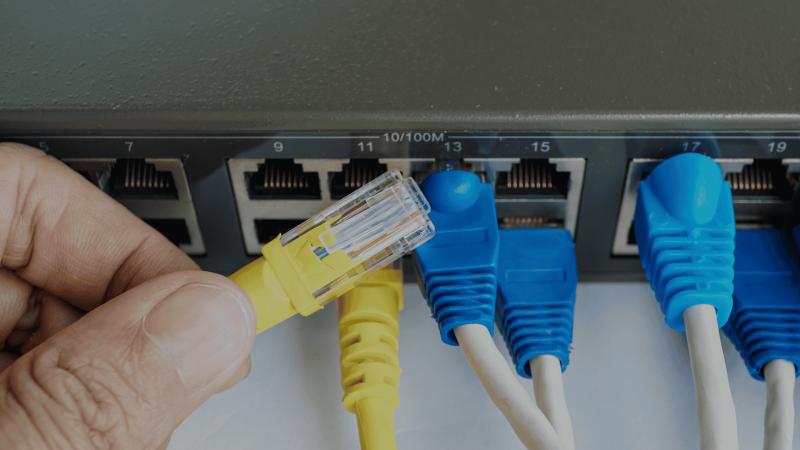
Is Cat6 Ethernet cable installation still the top choice for fast, reliable networks? In the ever-evolving structured cabling world, Cat6 Ethernet cable installations provide fast and secure connections that meet global network standards. With the rise of high-bandwidth applications, fast internet, and smart devices, they offer top-tier performance.
Cat6 network installation services help businesses achieve high speed, reduce costs, and improve reliability. Choosing the right cable now can make or break network performance in years to come. But with Cat6a, Cat7, and Cat8, the question arises: Does Cat6 meet the future demands of structured cabling?
In this blog, we explore what Cat6 Ethernet is, its benefits, installation considerations, its role, and more.
What is Cat6 Ethernet?
Cat6 Ethernet is a superhighway of wired networking that offers efficient, fast, and built to handle the traffic of today's high-speed digital world. Category 6 is a cable standard that supports data transmission speeds up to 10 Gbps over short distances and reduces crosstalk compared to previous standards.
Structured cabling companies provide network installation services to stream 4K content, manage VoIP calls, and run cloud-based applications. Cat6 cable installation offers smooth and reliable connections that keep the networking work better for IT operations. This helps to transfer data faster and cleaner even in crowded cable runs.
Benefits of Cat6 for Structured Cabling
Here are the key benefits of Cat6 for structured cabling, enabling office internet upgrades and enhanced network installation services.
High-Speed Data Transmission
Cat6 supports data transfer speeds of up to 10 Gbps over shorter distances (up to 55 meters), making it ideal for environments with high bandwidth demands like video conferencing, cloud computing, or large file transfers. It offers a significant upgrade over Cat5e, especially for speed-intensive applications.
Increased Bandwidth
With a bandwidth capacity of 250 MHz, Cat6 can handle more data at once, reducing lag and ensuring smoother network performance. This is especially beneficial for offices or homes where multiple devices are connected simultaneously.
Reduced Crosstalk & Interference
Thanks to its tighter twists and enhanced shielding, Cat6 significantly reduces electromagnetic interference (EMI) and near-end crosstalk (NEXT). This means a more reliable and cleaner signal—crucial in environments with lots of electronic equipment or long cable runs.
Backward Compatibility
Cat6 cables are fully backward compatible with Cat5 and Cat5e standards, allowing you to upgrade your infrastructure without replacing all existing hardware. This flexibility makes it easier to scale and update your network over time.
Better Support for Power over Ethernet (PoE)
Cat6 is well-suited for PoE applications, such as powering security cameras, VoIP phones, and Wi-Fi access points. It can handle higher wattage and deliver power more efficiently than older cables, reducing the need for additional wiring.
Is Cat6 Still Relevant in 2025?
Cat6 remains a relevant and reliable choice in 2025, especially when balanced against performance needs and budget.
Meets Most Modern Bandwidth Demands
Even in 2025, most households and small-to-medium businesses aren’t maxing out Cat6’s 10 Gbps capacity. For common uses like 4K streaming, video conferencing, cloud storage, and online gaming, Cat6 delivers more than enough speed and stability.
Cat6 Remains Affordable and Widely Available
Cat6 continues to strike the perfect balance between performance and affordability. It offers noticeable speed and performance upgrades over Cat5e, but without the higher cost of Cat6a, Cat7, or Cat8 cables. This makes it an economical choice for businesses doing large-scale structured cabling installations.
Ideal for Gigabit Ethernet Networks
Most modern routers, switches, and modems in 2025 still operate primarily at Gigabit Ethernet speeds (1 Gbps). Cat6 easily supports this standard—and even up to 10 Gbps over shorter distances—making it a future-ready solution for evolving network needs.
Great for Smart Homes and Hybrid Workspaces
crucial.With the rise of IoT devices and remote work, a robust home or office network is essential. Cat6 offers the speed and reliability to support everything from smart TVs and home assistants to cloud-based software and video conferencing tools—all without lag or dropped connections.
Still Recognized in Industry Standards
Cat6 is still recognized in various structured cabling standards, including TIA/EIA and ISO/IEC. Many network engineers and IT professionals recommend Cat6 for new builds and upgrades due to its performance consistency and long-term viability.
Cat6 Ethernet Installation Considerations
Cat6 Cable Maximum Length
Cat6 supports up to 100 meters (328 feet) in total length: 90 meters of solid cable and 10 meters of patch cords. For 10 Gbps performance, keep cable runs below 55 meters (180 feet) to avoid signal degradation.
Proper Cable Routing and Bend Radius
Avoid sharp bends; the minimum bend radius for Cat6 is about 4 times the cable diameter. Use cable trays, raceways, or conduits to organize and protect cable paths. Avoid crimping or pinching the cable, which can damage the internal structure and degrade performance.
Avoiding Electromagnetic Interference (EMI)
Maintain a minimum distance of 12 inches between Cat6 cables and high-voltage lines or fluorescent lighting. If installing in environments with high EMI (e.g., factories or near HVAC systems), consider using shielded Cat6 (STP) instead of unshielded (UTP).
Proper Termination Techniques
Always use Cat6-rated keystone jacks, patch panels, and connectors to maintain signal integrity. Follow the T568A or T568B wiring standards consistently on both ends to avoid mismatched connections.
Use Solid Copper Cable for Permanent Run
Choose solid copper Cat6 cable (not copper-clad aluminum or stranded wire) for long, permanent runs. Stranded Cat6 is more flexible and better suited for short patch cables, but not ideal for main horizontal cabling due to signal loss.
Conclusion: Is Cat6 Still the Best Choice
Cat6 Ethernet still holds its ground as a reliable, high-performance, and cost-effective choice for structured cabling. It delivers the perfect blend of speed, bandwidth, and affordability for most homes, offices, and small businesses, even in 2025.
Cat6 remains the sweet spot for those who want dependable performance without overspending. If you're looking to build a network that’s fast, stable, and ready for the demands of today, Cat6 is still a smart move.

Comments