How Preschool Impacts the Growth of Young Children
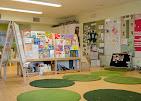
Preschool, typically for children aged 3 to 5, plays a pivotal role in shaping early development. It provides structured environments where children engage in social, cognitive, and emotional experiences that lay the foundation for lifelong learning. Research consistently shows that quality preschool programs positively influence academic, social, and behavioral outcomes, with effects lasting into adulthood.
Cognitive Development
Preschool enhances cognitive skills through play-based and structured activities. Programs expose children to early literacy, numeracy, and problem-solving, fostering critical thinking. A 2021 meta-analysis found that children attending preschool scored 0.24 standard deviations higher on cognitive assessments compared to those who did not. Activities like storytelling and puzzles stimulate language development and memory, preparing children for kindergarten. High-quality programs, such as those inspired by Reggio Emilia or Montessori, emphasize exploration, boosting curiosity and creativity.
Social and Emotional Growth
Socialization is a cornerstone of preschool. Children learn to share, collaborate, and resolve conflicts, developing empathy and communication skills. Studies indicate that preschool attendees exhibit stronger self-regulation and fewer behavioral issues by age 7. Interactions with peers and teachers build confidence and emotional resilience. For example, role-playing activities help children understand perspectives, while group projects foster teamwork. These skills are critical for forming healthy relationships later in life.
Long-Term Benefits
The impact of preschool extends beyond early childhood. A landmark study on the Perry Preschool Project showed that participants had higher high school graduation rates (71% vs. 54% for non-attendees) and better employment outcomes by age 40. Early intervention reduces achievement gaps, particularly for children from low-income families, by providing equitable access to learning resources. Preschool also correlates with lower rates of juvenile delinquency and improved health outcomes, as early social skills reduce stress-related behaviors.
Factors of Influence
Not all preschools are equal. Quality depends on trained educators, low teacher-to-child ratios (ideally 1:10 or less), and engaging curricula. Parental involvement and socioeconomic factors also mediate outcomes. For instance, children from disadvantaged backgrounds benefit most when programs include family support services. Conversely, low-quality preschools with rigid structures may hinder creativity or cause stress.
Conclusion
Preschool educationhttps://www.growinggardenpreschool.com/ is a critical investment in a child’s growth, enhancing cognitive, social, and emotional development. By fostering foundational skills, it sets the stage for academic success and well-being. Policymakers and parents should prioritize access to high-quality programs to maximize these benefits, ensuring every child thrives.
Post Your Ad Here
Comments