Composite Resin Fillings: Cost, Safety, Longevity, and Benefits Explained
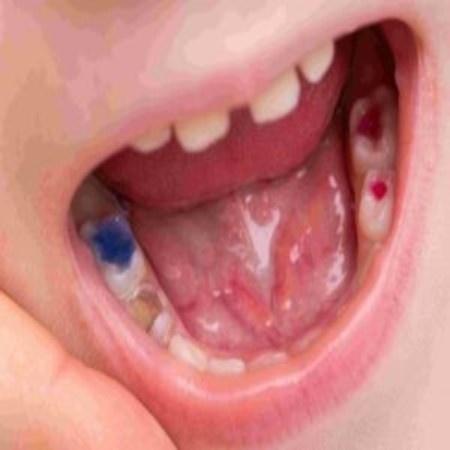
Picture this: You're sitting in the dentist's chair, and you've just been told you have a cavity that needs filling. Your mind immediately races to thoughts of unsightly silver fillings that will be visible every time you smile or laugh. But what if there was a better option – one that looks completely natural, is safe for your health, and can last for many years with proper care?
This is exactly why composite resin fillings have become the gold standard in modern dental care, and why practices like Dr. Monica Crooks, D.D.S. in Sacramento have made them their preferred restoration method for patients who value both aesthetics and functionality.
What Is a Composite Resin Filling?
A composite resin filling is a tooth-colored dental restoration made from a mixture of glass or quartz filler particles combined with a resin base. Think of it as a sophisticated putty that your dentist can sculpt, shape, and color-match to blend seamlessly with your natural tooth structure.
Unlike traditional silver amalgam fillings that simply fill the hole left by decay, composite resin fillings actually bond chemically to your tooth. This creates a restoration that not only looks natural but also strengthens the remaining tooth structure – a significant advancement in dental technology.
The Science Behind Composite Resin
At Dr. Monica Crooks' Sacramento practice, we explain to patients that composite resin technology represents decades of dental innovation. The material consists of:
Resin Matrix: A plastic base (typically BisGMA or UDMA) that provides flexibility and bonding capability Filler Particles: Microscopic glass, quartz, or ceramic particles that add strength and wear resistance Coupling Agents: Chemical compounds that bond the filler to the resin matrix Photoinitiators: Light-sensitive chemicals that allow the filling to harden when exposed to a special curing light
This sophisticated combination creates a material that mimics the natural properties of tooth enamel while providing excellent durability and aesthetics.
How Composite Fillings Differ from Traditional Options
Visual Integration: Unlike silver amalgam fillings that stand out prominently, composite resin fillings are virtually invisible when placed correctly Tooth Preservation: Composite fillings require less removal of healthy tooth structure during placement Temperature Sensitivity: Composite materials don't conduct temperature changes like metal fillings Chemical Bonding: Creates a stronger, more integrated restoration compared to mechanical retention alone
How Much Do Composite Resin Fillings Cost?
Understanding the investment in composite resin fillings helps you make informed decisions about your dental health. At practices like Dr. Monica Crooks' Sacramento dental clinic, we believe in transparent pricing that reflects both the advanced materials used and the skilled technique required.
Typical Pricing Range (2024)
Small Composite Fillings: $150 - $300 per tooth
- Single-surface restorations for early-stage cavities
- Minimal preparation required
- Quick appointment time (30-45 minutes)
Medium Composite Fillings: $200 - $450 per tooth
- Two-surface restorations involving adjacent tooth surfaces
- More extensive preparation and placement time
- Requires careful layering technique for optimal results
Large Composite Fillings: $250 - $600+ per tooth
- Three or more surfaces affected by decay
- Complex shaping and contouring required
- May require multiple appointment visits for optimal results
Factors Affecting Composite Filling Costs
Location and Practice Type Dental practices in metropolitan areas like Sacramento typically charge more than rural locations due to higher operating costs and specialized expertise requirements.
Filling Size and Complexity
Larger restorations require more material, time, and technical skill. Dr. Monica Crooks often explains to patients that extensive restorations may actually be more cost-effective than multiple smaller fillings over time.
Additional Procedures Some situations require supplementary treatments that affect total cost:
- Deep cleaning before placement: $75-150
- Sedation dentistry options: $200-600 depending on method
- Temporary crown protection: $100-200 for complex cases
Insurance Coverage Considerations
Most dental insurance plans cover composite fillings for front teeth at 80% of the allowed amount. For back teeth, some plans may only cover the cost equivalent to amalgam fillings, leaving patients responsible for the difference. However, many patients find this additional investment worthwhile for the aesthetic and health benefits.
Long-Term Value Analysis
When evaluating cost, consider the lifespan and benefits:
- Average lifespan: 7-10 years with proper care
- Aesthetic value: No visible metal in your smile
- Tooth preservation: Less healthy structure removed during placement
- Health benefits: No mercury exposure concerns
How Long Do Composite Resin Fillings Last?
The longevity of composite resin fillings depends on multiple factors, and understanding these helps you maximize your investment while maintaining optimal oral health.
Expected Lifespan Ranges
Front Teeth: 5-7 years on average
- Lower chewing forces extend lifespan
- Aesthetic considerations may prompt earlier replacement
- Easier to maintain proper oral hygiene
Back Teeth: 5-10 years typically
- Higher chewing forces create more wear
- Proper technique during placement crucial for longevity
- Size of restoration significantly affects durability
Optimal Conditions: Up to 15+ years
- Excellent oral hygiene maintained
- Regular professional cleanings and checkups
- No teeth grinding or clenching habits
- Appropriate bite adjustment during placement
Factors That Influence Durability
Patient Habits and Lifestyle
At Dr. Monica Crooks, D.D.S' Sacramento practice, we've observed that certain patient habits dramatically affect filling longevity:
Excellent Oral Hygiene: Patients who brush twice daily with fluoride toothpaste, floss regularly, and use antimicrobial rinse see fillings lasting 20-30% longer than average.
Dietary Choices: Limiting sticky, hard, or acidic foods protects both the filling and surrounding tooth structure.
Protective Habits: Using a nightguard for teeth grinding, avoiding ice chewing, and not using teeth as tools significantly extends restoration life.
Professional Maintenance Requirements
Regular Checkups: Professional examinations every six months allow early detection of filling wear or damage before problems become expensive.
Professional Cleaning: Regular hygiene appointments remove plaque buildup that can lead to decay around filling margins.
Bite Adjustments: Periodic bite evaluations ensure even force distribution, preventing premature filling failure.
Signs Your Composite Filling May Need Replacement
Sensitivity Changes: New or increasing sensitivity to temperature or pressure may indicate filling deterioration or underlying decay.
Visible Wear or Chipping: Small chips or rough edges can often be polished smooth, but larger damage requires replacement.
Color Changes: While some staining is normal, significant discoloration may warrant replacement for aesthetic reasons.
Pain or Discomfort: Any persistent discomfort around a filled tooth should be evaluated promptly.
Are Composite Resin Fillings Safe?
Safety concerns about dental materials are completely understandable, and composite resin fillings have been extensively studied for both short-term and long-term health effects.
Comprehensive Safety Profile
FDA Approval and Regulation: Composite resin materials used in dental fillings are rigorously tested and FDA-approved for safety and effectiveness. The materials undergo extensive biocompatibility testing before approval.
No Mercury Content: Unlike amalgam fillings, composite resins contain no mercury, eliminating concerns about mercury exposure and making them safe for pregnant women, children, and individuals with mercury sensitivities.
Biocompatibility: Modern composite materials are formulated to be compatible with oral tissues, minimizing the risk of allergic reactions or tissue irritation.
Addressing Common Safety Concerns
BPA Content Questions
Some patients express concern about BPA (bisphenol A) in composite fillings. Current research shows:
- Minimal BPA exposure: Studies indicate BPA release from dental composites is extremely low
- Rapid elimination: Any BPA released is quickly metabolized and eliminated from the body
- Risk comparison: BPA exposure from dental fillings is significantly lower than from many common food packaging materials
Dr. Monica Crooks explains to Sacramento patients that the scientific consensus supports the safety of composite resin fillings for all age groups.
Allergic Reaction Considerations
True allergic reactions to composite resin materials are extremely rare, affecting less than 1% of patients. When reactions do occur, they typically involve:
- Contact dermatitis: Localized gum irritation that resolves quickly
- Sensitivity reactions: Usually related to the bonding agent rather than the composite itself
- Easy resolution: Alternative materials can be used for sensitive patients
Long-Term Health Studies
Decades of Research: Composite resin fillings have been used successfully for over 40 years, with extensive research supporting their long-term safety.
Population Studies: Large-scale studies involving thousands of patients show no increased health risks associated with composite fillings.
Pediatric Safety: The American Academy of Pediatric Dentistry specifically endorses composite resin fillings as safe and appropriate for children.
Comparing Safety with Alternative Materials
Amalgam Fillings: While still considered safe by major dental organizations, contain mercury and require more tooth structure removal during placement.
Gold Fillings: Excellent safety profile but cost-prohibitive for most patients and aesthetically undesirable.
Ceramic Fillings: Very safe but more expensive and require laboratory fabrication.
The Composite Filling Procedure: What to Expect
Understanding the placement process helps patients feel confident and prepared for their treatment at practices like Dr. Monica Crooks' Sacramento dental clinic.
Pre-Treatment Preparation
Consultation and Planning
- Digital X-rays to assess decay extent and surrounding structures
- Color matching using professional shade guides
- Discussion of sedation dentistry options if needed
- Treatment timeline explanation
Step-by-Step Placement Process
1. Anesthesia Administration Local anesthesia ensures complete comfort during the procedure. Modern injection techniques minimize discomfort during numbing.
2. Decay Removal and Preparation
Using precise dental instruments, all decayed material is carefully removed while preserving maximum healthy tooth structure.
3. Isolation and Moisture Control The treatment area is isolated using rubber dam or other techniques to maintain a completely dry working environment – crucial for composite bonding success.
4. Etching and Bonding A mild acid solution prepares the tooth surface, followed by primer and bonding agent application to ensure strong adhesion.
5. Composite Placement and Shaping The composite resin is applied in layers, with each layer precisely shaped and cured with a special light before adding the next.
6. Final Contouring and Polishing The restoration is carefully shaped to match natural tooth contours and polished to a smooth, natural-looking finish.
7. Bite Adjustment Final bite adjustments ensure proper contact with opposing teeth and comfortable function.
Post-Treatment Care Instructions
Immediate Aftercare (First 24 Hours)
- Avoid hard or sticky foods while numbness persists
- Take over-the-counter pain relievers as needed for mild discomfort
- Resume normal oral hygiene routine gently
Long-Term Care Guidelines
- Maintain excellent oral hygiene with fluoride toothpaste
- Schedule regular professional cleanings and checkups
- Consider a nightguard if you grind your teeth
- Avoid using teeth as tools or chewing on hard objects
Professional Tips for Maximizing Filling Longevity
Daily Care Strategies
Optimal Brushing Technique Use a soft-bristled toothbrush with fluoride toothpaste, brushing for two full minutes twice daily. Pay special attention to the gum line where fillings meet natural tooth structure.
Effective Flossing Daily flossing removes plaque between teeth and around filling margins where bacterial buildup commonly occurs.
Therapeutic Rinses Antimicrobial mouth rinses can help reduce bacterial levels and strengthen tooth enamel around restorations.
Dietary Considerations
Foods to Limit
- Sticky candies that can pull on fillings
- Hard foods like ice or unpopped popcorn kernels
- Highly acidic foods and beverages that can weaken tooth structure
Protective Choices
- Cheese and dairy products that neutralize oral acids
- Crunchy fruits and vegetables that naturally clean teeth
- Water consumption throughout the day to maintain optimal oral pH
Professional Maintenance
Regular Checkup Schedule Professional examinations every six months allow early detection of any filling problems before they become serious.
Professional Cleaning Importance Hygienist cleanings remove hardened plaque that home care cannot eliminate, protecting both fillings and natural teeth.
Preventive Treatments Fluoride treatments and dental sealants can provide additional protection for teeth with large fillings.
When to Choose Composite Resin Fillings
Ideal Candidates
Aesthetic Concerns: Patients who smile frequently or work in public-facing roles often prioritize the natural appearance of composite fillings.
Mercury Sensitivity: Individuals with concerns about mercury exposure or documented mercury sensitivities benefit from mercury-free composite options.
Tooth Preservation Philosophy: Patients who prefer conservative treatment that preserves maximum healthy tooth structure.
Clinical Situations Where Composites Excel
Front Teeth Restoration: Composite resin fillings are virtually undetectable when placed in front teeth.
Small to Medium Cavities: Excellent choice for early-stage decay or moderate-sized restorations.
Tooth-Colored Repair: Ideal for repairing chips, cracks, or worn areas while maintaining natural appearance.
The Bottom Line: Making an Informed Decision
Composite resin fillings represent the modern standard of care for tooth-colored restorations, offering an excellent balance of aesthetics, safety, and durability. While they require an investment in both cost and maintenance, most patients find the benefits – natural appearance, mercury-free composition, and conservative tooth preparation – well worth the commitment.
At Dr. Monica Crooks' Sacramento practice, we've seen firsthand how composite resin fillings transform not just smiles, but confidence. Patients no longer hesitate to laugh freely or smile widely, knowing their dental work is virtually invisible.
The key to success with composite fillings lies in choosing an experienced dentist who understands both the art and science of aesthetic dentistry, combined with your commitment to excellent home care and regular professional maintenance.
Whether you're dealing with a new cavity, replacing an old amalgam filling for aesthetic reasons, or considering sedation dentistry options for comfortable treatment, composite resin fillings offer a proven solution that serves patients well for many years.
Your smile is worth investing in – and composite resin fillings provide that investment with confidence, safety, and beautiful results that last.
Post Your Ad Here
Comments