From Silk Road to Supply Chains: The Power of Chinese Translation
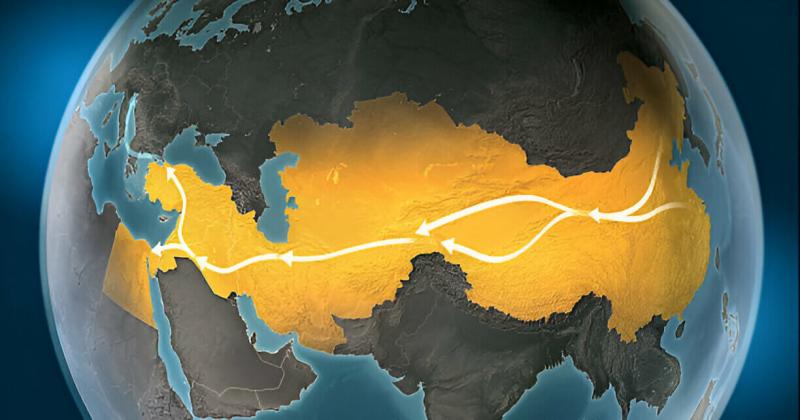
China has been at the forefront of global trade for centuries and still is. From the well-known Silk Road to vast ocean channels, trade in goods, ideas, and civilizations has impacted economies worldwide for thousands of years. These kinds of connections are still effective today, but culturally sensitive communication is now required. Today's intricate global supply networks require openness, trust, and prompt decision-making. A seamless Chinese translation service is necessary for smooth business talks because organizations doing business with China rely on clear communication rather than exchanging silk for silver.
Why China’s Trade Legacy Still Shapes Business Today
The Silk Road was never only about moving goods. It was a web of human connections that stretched from Xi’an through Central Asia to Europe. Traders learned to adjust their approach, honor different customs, and respect the rhythm of local life. Along with silk, they exchanged technologies, navigational knowledge, and even agricultural techniques.
Today's businesses can be conducted over video conferencing and instant messaging, yet beneath it all is the same: business is rooted in relationships. A Guangzhou supplier and a New York retailer still need to have trust in each other to make their businesses run smoothly. This trust is established by open communication.
When businesses purchase products, materials from China, they are operating in a marketplace that mingles time-honored tradition with furious innovation. From Shenzhen's high-tech centers to Guangdong's large-scale manufacturing bases, success is derived from fostering comprehension and avoiding misunderstanding. Language is the bridge, and when it is severed, even the most solidly negotiated agreement can fall apart.
The Modern Supply Chain Challenge
Dealing with Chinese supply chains involves handling many regions, different regulations, and thousands of moving parts. Manufacturing a car, for instance, could involve getting components of the car from different parts of the world and assembling take place in a different city. One ambiguous word in a shipping document or contract can delay production and upset delivery schedules. In industries such as automotive and electronics, even a small misunderstanding can create a bad effect of delays across multiple countries.
Technical context determines meaning. Something that sounds natural in English could be too blunt-sounding in Mandarin or Cantonese. An English direct request may sound too confrontational to a Chinese partner, where a gentler voice would be appropriate.
Beyond Words: Cultural and Business Nuance
Effective communication entails grasping culture, timing, and unwritten expectations. Sending a proposal during Chinese New Year, for instance, could hold up a response for weeks, as many corporations shut down for weeks of celebration. Furthermore, colors, numbers, and even gift-giving carry cultural meaning in corporate venues.
Good translators ensure messages are culturally acceptable and accurate. Most international companies nowadays rely on individuals with linguistic expertise as well as sector-specific expertise. They translate and fine-tune the material so it reads naturally to the recipient. Fine-tuning means that business communication does not merely make sense but seems proper and respectful to the recipient.
Chinese Translation in Technology and Manufacturing
In production, every detail counts. Specs, safety protocols, and regulatory forms need to be perfect. To illustrate, machine manuals need to employ technical jargon to avoid safety risks during operation. In the technology sector, the risks go even further.
China's status as the "world's factory" depicts that international companies often work with engineering drawings, product approvals, and quality inspections required by the government. Properly delivered Chinese translation service manages technical terms without disrupting the tone of the brand. Mistakes in this area are expensive and result in faulty products, compliance issues, or broken trust.
Building Resilient Supply Chains Through Translation
Due to globalization, supply chain has become a vital part of business. For businesses connected to Chinese manufacturing, efficient and effective communication was critical when there were disruptions such as factory shutdowns, port backlogs, or unexpected adjustments in export policies. Those with reliable translation services can adapt more efficiently and come up with practical solutions.
Developing Strong, Long-Term Partnerships
Trust is core to Chinese business relationships. Language barriers can slow or indeed halt that trust from developing. A trusted translation services agency guarantees that every phase, from the initial meeting to subsequent negotiations, is conducted with respect, clarity, and cultural sensitivity.
Suppliers tend to favor partners who communicate well and respect the process, which results in higher rates, quicker service, and greater flexibility during issues. For global corporations, this trust can be the difference between supply restored in a timely manner after interruption or waiting weeks for production to be restarted.
The Competitive Edge of Effective Translation
In an open marketplace, translation is far from a simple back-office operation. It is a business asset that affects bargaining, partnerships, and market performance.
Businesses that perform culturally astute, precise translation move ahead faster, resolve issues better, and are more readily able to adjust to change.
Conclusion
From the earliest caravans to today's container, Chinese trade has always been accompanied by communication. Although contemporary supply chains are more complex and rapid, they continue to be founded upon trust generated by understanding.
Chinese translation in today's day and age is about so much more than getting the words right. It's about common ground upon which intent and ideas converge. Businesses that adopt this mindset will be exporting not just products but also forging bonds that stand the test of time in the same way that merchants did centuries ago on the Silk Road.



Post Your Ad Here