What to Expect in a Standard Building Inspection in Sydney
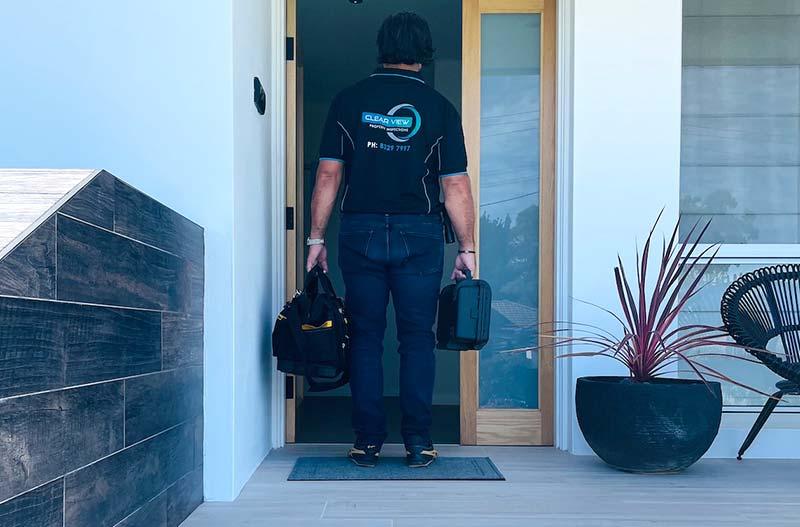
When you're buying a property in Sydney, getting a building inspection isn't just smart—it's essential. With Sydney's property market being one of the most expensive in the world, you want to know exactly what you're getting for your investment. A professional building inspection gives you that peace of mind and can save you thousands of dollars down the road.
The bottom line: A standard building inspection in Sydney is your safety net against hidden defects, structural issues, and costly surprises. It typically takes 1.5 to 3 hours, costs between $440-$750 for a standard home, and provides you with a comprehensive report that can help you negotiate or walk away from a bad deal.
What Is a Building Inspection and Why Do You Need One?
A building inspection is like getting a health check for your potential new home. It's a comprehensive assessment of a property's condition, conducted by a qualified professional who examines various aspects of the structure to identify potential issues.
Think of it this way—when you buy a car, you check under the hood, right? The same logic applies to buying a house, except the stakes are much higher. In Sydney's competitive market, properties can look perfect on the surface but hide serious problems underneath those fresh coats of paint.
Your building inspector acts as your detective, looking for clues that most people would miss. They're trained to spot the warning signs of structural damage, water leaks, electrical problems, and other issues that could turn your dream home into a financial nightmare.
How Long Does a Building Inspection Take?
The average building inspection in Sydney typically takes between 1.5 and 3 hours. However, don't be surprised if it takes longer for certain properties.
Several factors affect inspection time:
The size of your property plays a big role. A small apartment in the CBD will obviously take less time than a large family home in the suburbs. Property age also matters—older buildings often have more issues that require closer examination.
If your inspector finds potential problems early on, they'll need extra time to investigate those areas thoroughly. It's better to have a thorough inspection that takes longer than a rushed one that misses critical issues.
Pro tip: Plan to be available for the entire inspection time, even if it runs over. This gives you the chance to ask questions and see any issues firsthand.
The Building Inspection Process: Step by Step
Pre-Inspection Planning
Most consultants need a minimum of 2–3 days notice to do a building inspection. Don't wait until the last minute to book your inspection. In Sydney's fast-moving market, good inspectors get booked up quickly.
You'll also need to get the vendor's permission for the inspection. You should get the vendor's permission to have the property inspected as early in the sale negotiations as possible. This helps you make informed decisions before you're too emotionally invested in the property.
What the Inspector Will Check
Your inspector will examine every accessible part of the property with a trained eye. Typical components of a building inspection include: Structural Integrity (evaluating the building's foundation, walls, and roof for stability and damage), Roofing (checking for leaks, damaged tiles, and the overall condition of the roof), Plumbing (inspecting pipes, fixtures, and drainage systems for leaks, blockages, and compliance), Electrical Systems (assessing wiring, outlets, and safety switches for functionality and safety), and Codes Compliance (verifying that the property adheres to current building codes and regulations).
The inspector will also check windows and doors, looking for proper operation and signs of damage. They'll examine the HVAC systems, insulation, and ventilation to ensure everything is working as it should.
Advanced Inspection Technology
Modern building inspectors in Sydney use much more than just their eyes. We deploy state-of-the-art diagnostic technology to uncover concealed building defects with forensic precision. This includes thermal imaging cameras to detect moisture behind walls, electronic moisture meters, and specialized equipment to check for structural movement.
Some inspectors also use tools like the Termatrac T3i, which can identify termites through common building materials without causing any damage to the property.
What Gets Inspected: The Complete Checklist
Structural Elements
The foundation is where everything starts, and it's where many problems begin too. Your inspector will look for cracks, settling, or other signs that the foundation isn't doing its job properly.
Walls and framing get careful attention. The inspector checks for structural damage, proper construction techniques, and signs of movement or settling. Building movement could be caused by natural settlement, substandard workmanship, poor design and material issues.
Roofing and Exterior
The roof protects everything below it, so it gets a thorough examination. Inspectors look for damaged or missing tiles, leaks, and problems with gutters and drainage systems.
Exterior walls are checked for cracks, water damage, and proper weatherproofing. Other common elements that are prone to water ingress include doors, roof & balconies.
Interior Systems
Plumbing systems are inspected for leaks, proper water pressure, and compliance with current standards. The inspector will check all visible pipes, fixtures, and drainage systems.
Electrical systems get scrutinized for safety and functionality. This includes checking the main electrical panel, outlets, switches, and looking for any outdated or dangerous wiring.
Environmental and Safety Concerns
Inspectors also look for potential health hazards like mold, asbestos (in older properties), and pest issues. While a standard building inspection doesn't include a detailed pest inspection, the inspector will note any obvious signs of termite damage or other pest problems.
Understanding Your Building Inspection Report
What's Included
Reports provide clear, actionable information to address current issues and identify areas that may require attention in the future. Your report will include detailed descriptions of any issues found, along with photographs showing exactly what the inspector is talking about.
The report typically categorizes problems as major defects, minor defects, or maintenance items. Major defects are serious structural or safety issues that need immediate attention. Minor defects are problems that should be fixed but don't pose immediate dangers.
How to Read Your Report
Don't panic if your report lists multiple issues—most properties have some problems. Although only reporting on the incidence of minor defects is typically required, we go further by recording as many minor defects as possible, recognising their cumulative impact on costs.
Focus on the major defects first, as these are the issues that could affect your safety or cost significant money to repair. Minor defects can often be addressed over time or used as negotiating points with the seller.
Common Issues Found in Sydney Properties
Structural Problems
Sydney's clay soils can cause foundation movement, leading to cracks in walls and uneven floors. Reactive clay soils are common in Sydney and need careful engineering. Inspectors frequently find settlement cracks, especially in older properties.
Water Ingress
With Sydney's occasional heavy rains, water damage is a common problem. Inspectors often find issues with roof leaks, poor drainage, and water penetration through exterior walls.
Building Code Compliance
The increasing prevalence of building defects in Sydney presents a concerning trend. Each day, our team of skilled Building Inspectors identifies a growing list of significant structural issues, a consequence of prolonged self-regulation within the construction sector.
Many properties, especially those built during certain periods, may not meet current building standards. While this doesn't necessarily make them unsafe, it's important to understand what updates might be needed.
Australian Standards and Compliance
What Standards Apply
Vital Building & Pest Inspection complies with Australian Standards, ensuring the accuracy and reliability of findings. The main standard for pre-purchase building inspections is AS 4349.1-2007.
We check that the workmanship is compliant and meets the requirements of the National Construction Code and relevant Australian Standards. This ensures your inspection meets professional standards and can be relied upon for important decisions.
Inspector Qualifications
Always use a suitably qualified person such as a licensed builder, a surveyor or an architect to provide a professional building inspection report of the property. Make sure your inspector is properly licensed and insured.
Costs and Timing
What You'll Pay
As a price guide to what a customer might expect when commissioning a pre purchase building inspection and report: Fee Range for Building Inspection – Standard Home $440-$750 – Apartment $400-$500.
The cost varies depending on the size and complexity of the property. Additional services like pest inspections or pool safety checks will add to the base cost, but they're often worth the extra expense for complete peace of mind.
Getting Your Report
Most inspection companies in Sydney provide quick turnaround times. Building and Pest Inspection Reports are completed digitally and emailed in PDF format within 24 hours of inspection. This fast delivery helps you make decisions quickly in Sydney's competitive market.
Making the Most of Your Inspection
Should You Attend?
Absolutely! Being present during the inspection gives you the opportunity to ask questions and see any problems firsthand. We allocate ample time for in-depth discussions with our customers to explain our reports thoroughly.
Questions to Ask Your Inspector
Don't be shy about asking questions during the inspection. Ask about the severity of any issues found, typical repair costs, and whether problems are likely to get worse over time. A good inspector will be happy to educate you about what they're finding.
Using Your Report
Your inspection report is a powerful tool for negotiation. If significant issues are found, you might be able to negotiate a lower purchase price, ask the seller to fix problems before settlement, or in some cases, decide to walk away from the purchase entirely.
Red Flags to Watch For
Some issues should make you think twice about proceeding with a purchase. Major structural problems, significant water damage, or electrical systems that pose safety hazards are all serious concerns.
However, remember that most problems can be fixed—it's just a question of cost and whether the seller is willing to address them or adjust the price accordingly.
The Legal Side of Building Inspections
In New South Wales, when you buy a property, there is a five business day cooling–off period after you have exchanged contracts. During this period, you may get out of sale as long as you give written notice.
This cooling-off period gives you time to have your inspection done and decide whether to proceed. However, it's better to have your inspection done before signing contracts if possible.
Choosing the Right Inspector
Not all building inspectors are created equal. Look for inspectors who are licensed, insured, and have experience with the type of property you're buying. With over 18 years of experience in the building industry, the team specialises in identifying structural issues, substandard construction, and damage caused by ageing, environmental factors, or pests.
Check reviews and ask for references if you're unsure. A good inspector should be willing to discuss their qualifications and experience with you.
Beyond the Standard Inspection
Depending on your property, you might need additional specialized inspections. Properties built before 1980 may need asbestos testing. If there's a pool, you'll need a separate pool safety inspection. Some properties might benefit from a pest inspection or electrical safety check.
Conclusion
A building inspection is one of the smartest investments you can make when buying property in Sydney. For a few hundred dollars, you get professional insight into potential issues that could cost thousands to repair later.
The process is straightforward: book your inspection a few days in advance, be present during the inspection to ask questions, and use the detailed report to make informed decisions about your purchase. Whether you're buying your first home or your tenth investment property, a thorough building inspection helps ensure you know exactly what you're getting.
Remember, the goal isn't to find the perfect property—it's to understand what you're buying so you can make the best decision for your situation. With Sydney's property prices, you simply can't afford to skip this crucial step.
Post Your Ad Here
Comments