How Can You Tell If a Watercolor Is Truly Original?
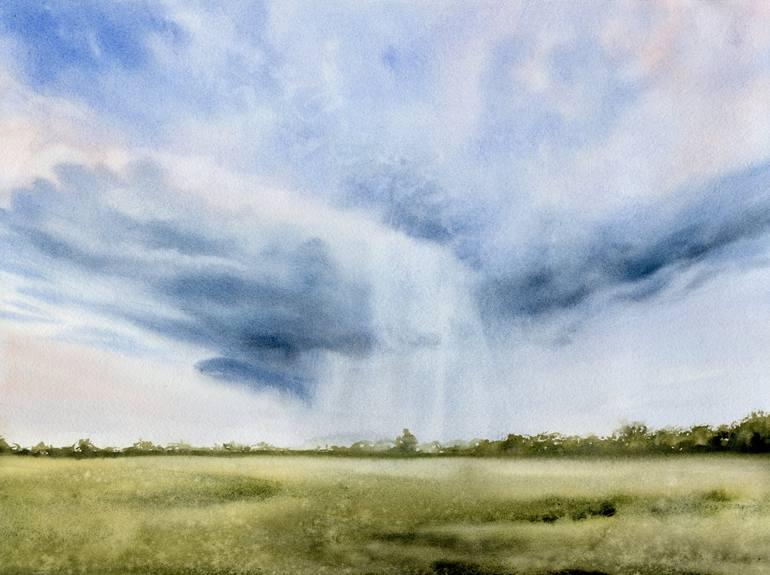
Collectors often find themselves captivated by original watercolor paintings for sale but feel uncertain about authenticity. With the rise of prints, reproductions, and digital copies, it's not always easy to determine what’s genuinely hand-painted and what’s mass-produced. Understanding a few key indicators can help anyone become more confident in evaluating watercolor art for originality.
Examining the Surface and Texture
Real watercolor art is painted on paper, and the surface carries important clues. When light hits the painting, you may notice subtle irregularities—such as brush marks, gradients, or texture from pigment soaking into the paper. These are signs of direct artist involvement. Printed copies, on the other hand, often appear flat and uniform.
Looking closely at the edges of each painted section can also help. In hand-painted watercolors, colors may bleed into each other naturally, creating soft transitions. This effect is nearly impossible to duplicate in machine-printed versions. The paper itself is often heavier and may show signs of slight warping due to the water used in the painting process.
Signs from the Back of the Paper
Genuine watercolor art usually has some telltale signs on the back side. You might notice a light shadow of the painting visible from the reverse, especially in areas with more intense pigment. Reproductions printed on thick paper generally lack this quality. A slight buckle or ripple in the paper is also common in original work, caused by the wet media drying unevenly.
Another feature to check is the type of paper. High-quality artists often use cold-press or hot-press watercolor paper with distinct textures. Artists usually prefer specific brands, and these papers feel different from ordinary or glossy print paper. If you're holding a piece in person, lightly running your hand across the surface might help you spot the difference.
Observing the Signature and Its Placement
A real signature from the artist adds credibility but isn’t a guarantee by itself. What matters is how it’s applied. In original watercolor art, the signature is usually painted or written with a pen after the work is completed. You can often see how it integrates with the surrounding art. If it looks like it was printed at the same time as the rest of the image, it could be part of a reproduction.
Position also plays a role. Most artists have a preferred spot—usually in the lower corners—and it’s consistently used across their work. Comparing the piece you’re considering with others from the same artist can offer insight into whether the signature matches their typical style.
Understanding Watercolor Techniques
Certain painting techniques are unique to watercolor and nearly impossible to mimic digitally or through mass production. Effects such as dry brush, wet-on-wet blending, and lifting pigment to create highlights are often visible in original works. These methods leave marks and variations that are inconsistent and organic—traits that printers struggle to replicate.
The pigment layering is another important factor. Artists sometimes apply several washes to build up the desired tone. Under close inspection, you may see the layering of colors, especially where lighter shades peek through darker ones. This type of detail rarely appears in reproductions, where a single layer of ink tries to mimic the effect.
Ask for Provenance or Artist Info
Reputable sellers often provide some form of provenance or artist background. Whether it's a certificate, an artist bio, or gallery listing, this information can support the painting’s authenticity. Even without formal paperwork, knowledge about the artist's history and a pattern of recognizable work can reassure buyers about the originality of a piece.
Collectors can also benefit from researching the artist’s previous exhibitions or gallery representation. Artists who regularly display their work in public or commercial settings typically maintain higher standards, and their pieces are more likely to be genuine. A quick comparison of the painting in question with verified works can reveal consistencies in style and technique.
Avoiding Mass-Produced Art
Art retailers and online platforms sometimes offer low-cost watercolor prints advertised as originals. Without careful scrutiny, these can be mistaken for authentic hand-painted pieces. Many of these items are printed on textured paper or canvas to simulate the appearance of original art. Unfortunately, they lack the physical attributes and individual nuances that make hand-painted watercolors valuable.
It's important to buy from trusted sources—independent artists, established galleries, or verified online sellers who provide transparency about each piece’s origin. When purchasing online, ask for close-up images, backside photos, and any available history about the piece. A trustworthy seller will respond with helpful information and not shy away from your questions.
Conclusion
Identifying a true watercolor original takes a trained eye and a bit of patience. By focusing on texture, technique, materials, and documentation, collectors can make informed decisions and build a meaningful collection. The charm of a real hand-painted watercolor lies in its imperfections, its layered depth, and the human touch behind every stroke. Whether you're shopping locally or online, understanding the signs of authenticity will help you choose art that holds real value—not just in price, but in the experience it brings into your space.

Post Your Ad Here
Comments