Technology & Mental Health: From Social Media to AI in Psychiatry
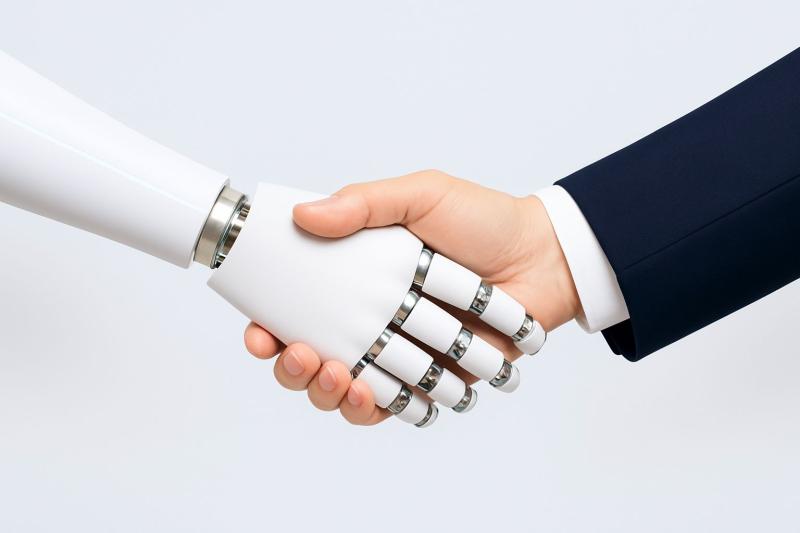
From the time we get up till we hit the hay, tech is involved in almost everything we do. Whether it's a funny pic on Insta, a video chat with someone, or a fitness tracker on your arm, tech is everywhere. It covers a whole bunch of stuff like social media, online games, mental health apps, AI, and virtual reality.
This is aiding psychiatrists and other mental health professionals to use tech including AI to get a better grasp on mental health and help folks out.
This blog gets into the impact of social media and AI on our mental health program, exploring the good and the bad. We're gonna dive into the risks, the perks, and how both pros and regular folks can find that sweet spot for a healthy life.
Social Media and Beyond: The Digital Impact on Mental Health
Social media apps like Insta, What's app, and YouTube Shorts are now super integrated into our daily routines, totally transforming how we interact, chat, and see things around us. for a lot of folks, these social media sites are like a lifeline, you know? Sometimes, it's just a quick video or a sweet note from someone you care about that can turn a rough day around.
But not all effects are good. For example, most teens at least sometimes feel happy and peaceful when they don’t have their phone, but 44% say this makes them anxious.
When Technology Hurts: The Risks
The increasing use of digital technology from social media and internet browsing to online gaming, virtual reality, and AI-powered apps can increase the risk of mental health challenges. Some of the dangers are:
- Sleep problems: Using screens late at night, especially in bed, increases the risk of delayed sleep. This disruption in sleep patterns can gradually affect mental well-being.
- Cyberbullying: There is the risk of online bullying. Online hate-speech or public shaming may lead to deeply hurt feelings which affect the person's emotional state.
- Addiction: Heavy reliance on phones or digital platforms can raise the risk of developing unhealthy usage habits. Over time, this may lead to anxiety, irritability, or restlessness when disconnected.
Of course, the intensity of these risks varies across individuals. Still, it is imperative to be on the lookout for the signs that may indicate the problem such as mood swings, lack of focus, or withdrawal from daily activities all of a sudden.
How Technology Helps: Support and Early Detection
Technology is also good for many things. Using mental health apps, one can easily manage stress or follow changes in emotions. Providing free information and giving tools to people is one of the ways the internet helps them cope. For instance:
Mind Peers and Wysa, two Indian mental health platforms, both offer self-help tools and a chatbot to support users.
Deep breathing or relaxation prompts accompanying the tools can boost an individual's mood and help them to get through difficult times. These tools are not a replacement for therapy but rather a form of help for those who are not yet ready to talk about their problems.
The Rise of AI in Psychiatry
The field of mental health care starts gaining more and more extensive possibilities due to the integration of AI. For instance, it can analyze one's speech, written pieces, or behavior patterns to reveal deeper emotional struggles or trauma.
AI chatbots are also capable of initiating supportive conversations and offering coping suggestions. Research tools can scan large data sets to identify trends in anxiety or depression.
In psychiatry specifically, AI helps clinicians spot symptoms earlier, suggest personalized treatment options, and track progress over time. For example, the National Institute of Mental Health and Neurosciences (NIMHANS) in India is actively exploring the potential of AI tools in identifying mental health risk factors. On the other hand, there is no doubt that these systems have to be operated carefully. They are definitely not fully functional and, thus, cannot self-identify instead of a mental health professional who has undergone training.
Balancing Technology with Human Support
Even with great tools, human connections are still the most valuable thing in the world. Communication with a friend, family member, or mental health specialist is in general the most efficient method of getting the feeling of being heard and receiving the necessary support.
Mental Health First Aid equips people to respond supportively when someone around them is going through a tough time. It emphasizes listening without judgment and knowing when to encourage professional help. With the development of technology, the existence of such programs is still important as they are the ones that keep the human touch alive.
Conclusion
The link between technological development and mental health issues continues to grow stronger every day. Technology introduces new possibilities and vital difficulties through social media platforms which influence human relationships and AI tools which help psychiatrists detect mental health issues at their earliest stages.
Digital tools provide assistance to track feelings alongside stress management and early warning sign detection, but these tools lack the essential human connection which makes them insufficient replacements. Real mental health depends on receiving understanding support together with attentive listening from people who surround us.
Smart technology combined with strong human support enables the creation of a mental health ecosystem which effectively connects individuals in both online and offline environments.


Post Your Ad Here
Comments