A Glimpse into the Future of Custom Mobile Application Development
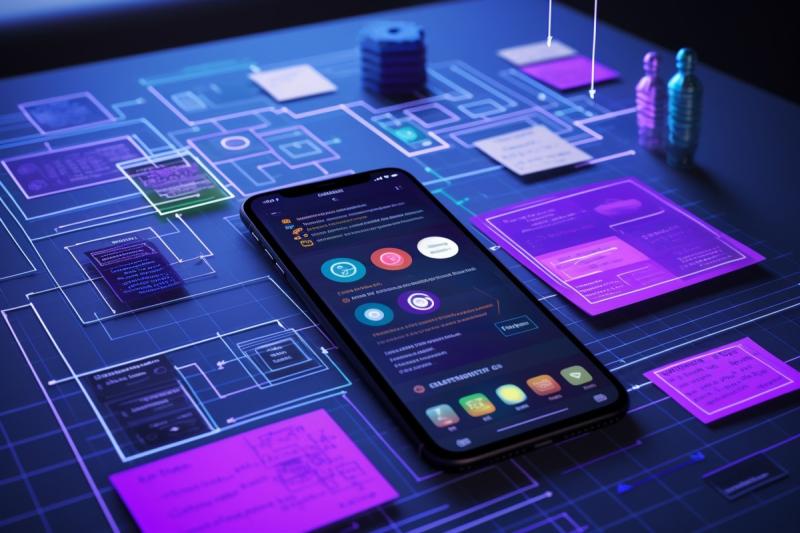
In today’s fast-paced digital world, mobile app development is no longer a luxury—it’s a necessity. Businesses across industries are leveraging mobile application development services to boost engagement, streamline operations, and drive growth. As we step further into 2025, the future of mobile apps is being shaped by advanced technologies, user expectations, and ever-evolving trends.
This blog explores what lies ahead for mobile app development services and how businesses can stay ahead by investing in custom mobile application development and the best mobile app development solutions.
1. Rise of AI-Driven Mobile Applications
Artificial Intelligence (AI) is revolutionising the way mobile apps are developed and used. From personalised recommendations to voice assistance and predictive analytics, AI is becoming a core part of custom mobile app development services.
What to Expect:
- More innovative chatbots with natural language understanding
- AI-powered image and voice recognition
- Hyper-personalised app experiences for each user
These features will be standard in the best mobile app development solutions moving forward.
2. Cross-Platform Development Will Dominate
Gone are the days of developing separate apps for Android and iOS. Cross-platform frameworks like Flutter, React Native, and Kotlin Multiplatform are enabling developers to build apps faster and at lower costs.
Why It Matters:
- Consistent UI/UX across platforms
- Reduced development time and cost
- Easier maintenance and updates
Businesses choosing custom mobile application development in 2025 will likely opt for these efficient and scalable solutions.
3. Focus on Privacy and Data Security
With increasing concerns about data breaches and digital privacy, mobile app development services are placing greater emphasis on security. Regulatory frameworks like GDPR and India’s DPDP Act are compelling developers to implement stricter data protection protocols.
Key Trends:
- End-to-end encryption
- Biometric authentication
- Enhanced app permission controls
Securing user data will be a critical aspect of custom mobile app development services moving forward.
4. Integration of 5G Technology
The rollout of 5G is already changing the mobile app landscape. With higher data speeds, lower latency, and improved connectivity, mobile apps can now handle more complex tasks and immersive experiences.
Expected Outcomes:
- Seamless AR/VR functionality
- Faster cloud-based operations
- Enhanced video and gaming experiences
Mobile app development will continue to evolve with 5G, enabling real-time services across industries.
5. Growing Demand for Industry-Specific Mobile Apps
As businesses strive to meet niche requirements, there's a growing push toward industry-focused apps. Whether it's healthcare, finance, education, or logistics, companies are demanding tailored solutions.
Examples:
- Healthcare apps with remote monitoring and appointment features
- Finance apps with real-time investment tracking
- E-learning apps with interactive modules
Custom mobile application development allows businesses to solve industry-specific challenges while enhancing customer experience.
6. Voice-Enabled Apps on the Rise
Voice search and voice-enabled commands are becoming more common, thanks to virtual assistants like Siri, Alexa, and Google Assistant. In 2025, apps that support voice interfaces will gain wider adoption.
Benefits:
- Hands-free interaction
- Accessibility for users with disabilities
- Enhanced user convenience
Voice integration is a crucial trend shaping the best mobile app development solutions.
7. More Emphasis on App Performance and Speed
With growing competition in the app market, performance and speed can make or break user retention. In 2025, businesses will demand mobile application development services that prioritise:
- Faster loading times
- Minimal app crashes
- Lightweight architecture
High-performing apps are essential for customer satisfaction and loyalty.
8. Sustainable and Energy-Efficient Mobile Apps
Eco-conscious users are influencing how apps are built. Developers are now working toward reducing battery usage and app size to support device longevity and energy efficiency.
Expectations Ahead:
- Minimal background activity
- Efficient memory usage
- Eco-friendly UI/UX designs
This trend aligns well with modern values and improves app retention among environmentally aware users.
9. Growing Popularity of Progressive Web Apps (PWAs)
PWAs offer an app-like experience via web browsers without requiring downloads. They're lightweight, fast, and cost-effective—making them a popular alternative to traditional apps.
Advantages:
- Offline access
- Lower data usage
- Easy updates without app stores
Custom mobile app development services are now offering PWAs as a flexible and future-ready option.
10. Personalised User Experience Will Be Key
With access to user data and behaviour patterns, personalisation has become an essential part of mobile app development. Apps that adapt to user preferences will see better engagement and conversions.
Personalisation Features Include:
- Dynamic content delivery
- User-specific notifications
- Adaptive interfaces based on usage habits
Delivering personalised experiences will be a defining feature of the best mobile app development solutions in the future.
Conclusion
The future of mobile app development services in 2025 and beyond is vibrant, innovative, and user-centric. Businesses looking to stay ahead should invest in:
- Custom mobile app development services for tailored solutions
- Mobile app development frameworks that support scalability
- Best mobile app development solutions that focus on performance, security, and personalisation
To succeed in this evolving landscape, it's crucial to partner with a team that understands not just code, but customer behaviour and emerging tech trends. Whether you're building from scratch or upgrading an existing app, the proper development strategy can ensure long-term digital success.

Comments