What Is Color Theory in Fashion Styling?
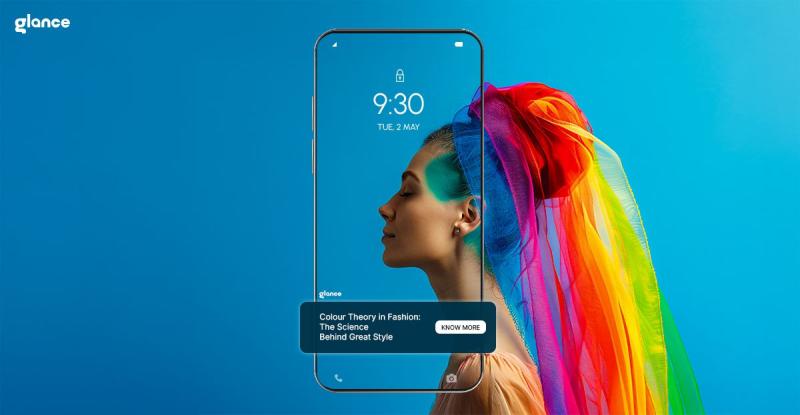
Color isn't just what you see—it's what you feel. In fashion, color isn't merely a design choice; it’s a language. If you’ve ever wondered why certain outfits just click while others don’t feel quite right, you’ve brushed up against the fascinating world of color theory in fashion styling.
In this blog, we’ll break down the basics of color theory in fashion styling, explore how different colors impact perception, and share actionable tips to help you build a wardrobe that compliments your personality, mood, and body type.
What Is Color Theory in Fashion Styling?
Color theory in fashion styling is the strategic use of color combinations to create visually appealing outfits. It’s rooted in the color wheel—a tool that helps us understand how colors relate to one another—and extends into understanding warm vs. cool tones, color harmonies, contrast, and personal undertones.
Stylists, designers, and influencers all rely on this knowledge to curate iconic looks. But this isn’t just for runways—color theory in fashion styling can help you put together everyday outfits that pop without trying too hard.
The Building Block: Understanding the Color Wheel
The traditional color wheel is split into three types:
- Primary colors: Red, yellow, blue
- Secondary colors: Orange, green, violet (formed by mixing primary colors)
- Tertiary colors: Yellow-orange, red-orange, etc. (mix of primary and secondary)
Mastering the wheel means understanding how to combine colors for balance or drama.
Key Color Harmonies to Know:
- Complementary Colors: Opposites on the color wheel (e.g., blue + orange). These create bold contrast.
- Analogous Colors: Colors next to each other (e.g., red, orange, yellow). Soothing and easy to pair.
- Triadic Colors: Three colors evenly spaced (e.g., red, yellow, blue). These look playful and balanced.
- Monochromatic: One hue in different shades and tints. Elegant and minimalistic.
- Split Complementary: A main color and the two adjacent to its opposite. Bold but less intense than full complement.
Color theory in fashion styling builds on these harmonies to shape how we feel about what we wear.
Warm vs. Cool Tones in Fashion
Knowing whether your skin has a warm, cool, or neutral undertone is key in picking flattering colors.
- Warm tones: Golden, peachy, olive skin looks great in earthy hues like mustard, rust, and warm browns.
- Cool tones: Pink or blue undertones shine in shades like emerald, cobalt, and icy greys.
- Neutral tones: You can play with both warm and cool palettes.
Once you identify your undertone, color theory in fashion styling can help you pick shades that enhance your natural glow.
How Color Affects Mood and Perception in Fashion
Your outfit does more than cover you—it speaks volumes.
- Red: Power, passion, and attention.
- Blue: Calm, confident, reliable.
- Yellow: Cheerful, energetic, youthful.
- Black: Elegant, mysterious, powerful.
- White: Clean, fresh, minimal.
This psychological aspect of color theory in fashion styling is often used to communicate specific vibes or align with certain events (think all-white parties or red carpet moments).
Color Theory in Fashion Styling: Real-Life Scenarios
1. Power Dressing for Presentations
Go for high-contrast combinations like navy and white or black and red to convey authority.
2. Romantic Dates
Soft analogous tones like blush pink, lilac, and ivory evoke warmth and femininity.
3. Creative Workspaces
Experiment with triadic combinations like coral, turquoise, and yellow to show off your artistic flair.
4. Interviews or Formal Events
Stick with neutral monochromatic palettes like various greys, or beige and cream tones, to appear refined and put-together.
How to Apply Color Theory in Fashion Styling to Your Closet
- Audit Your Wardrobe
Separate your clothes by color families. See which ones you naturally gravitate toward. - Find Your Undertone
Check the color of your veins or try the jewelry test (gold vs. silver). It helps you understand your best color zones. - Invest in Basics in Neutral Tones
White, beige, navy, black, and grey form a great base. Then add pops of color using accessories or accent pieces. - Create Outfit Formulas
Use color harmonies to put together go-to combinations. For example, blue trousers (cool tone) + a mustard top (warm complementary) + tan accessories. - Experiment Seasonally
Earth tones work beautifully in fall, while pastels shine in spring. Let seasons influence your palette.
Where Color Theory Meets Gen Z Fashion
Gen Z fashion is rooted in individuality, and color plays a major role in self-expression. Bold choices, Y2K-inspired neon tones, dopamine dressing, and aesthetic cores (like cottagecore or dark academia) are all manifestations of color theory in fashion styling at work.
This generation doesn’t follow rules for the sake of it—they remix them. They’re as likely to wear clashing patterns as they are to rock a monochrome look. The emphasis is on authenticity, play, and mood-driven dressing.
Color Theory and Inclusivity in Styling
One of the best evolutions in color theory in fashion styling is how it's no longer about “what not to wear.” Instead, it’s about exploring what makes you feel good. Plus-size fashion, gender-fluid silhouettes, and culture-driven trends now reflect more diversity in color choices.
Different cultures assign different meanings to color too—red is luck in India, mourning in South Africa, and celebration in China. Color theory in fashion styling is increasingly shaped by global awareness, and that’s powerful.
How Glance AI Helps You Navigate Color Theory?
In an age where trends move at lightning speed, it’s tough to stay current. That’s where platforms like Glance AI come in. This AI-powered platform helps you:
- Discover color palettes trending in real time
- Get styling suggestions based on your personal preferences
- Visualize outfits in multiple tones before buying
- Learn how influencers and designers apply color theory daily
If you’re overwhelmed by choice or unsure what works for your body or skin tone, Glance AI can become your virtual fashion assistant, making color theory in fashion styling more accessible and intuitive than ever.
Final Thoughts
Color is a secret superpower. Whether you're aiming to stand out or blend in, impress at work, or chill on a Sunday brunch, understanding color theory in fashion styling will level up your fashion confidence.
Start simple: understand your undertones, play with contrast, and observe how colors make you feel. You don’t need to overhaul your wardrobe—just begin experimenting with combinations, and let your personality shine through.
Fashion isn't just what you wear. It's how you tell your story—with color.
Post Your Ad Here